In the high-stakes, multi-million dollar world of video games in 2026, the industry often feels overwhelmingly serious. With colossal investments and immense pressure for profitability and relevance, the pure, unadulterated fun of playful developer antics can seem like a relic of the past. Yet, amidst the corporate rhetoric and trend-chasing, a special breed of creators continues to rise above. These developers inject their work with personality through clever, often hilarious, pranks on their own players—moments that break the fourth wall, subvert expectations, and remind everyone that games, at their core, can be a source of joyful mischief.
10. DmC: Devil May Cry - Dante's Wig of Defiance
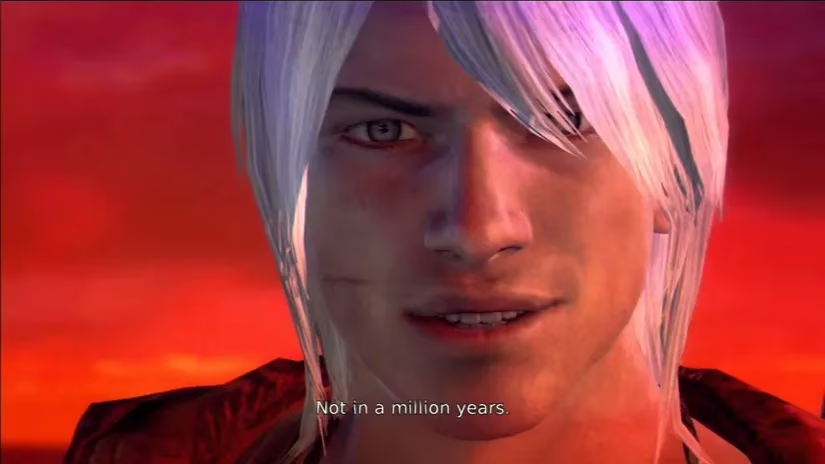
Ninja Theory's reboot of the iconic series was met with... let's say, passionate criticism over Dante's new edgy look. The developers, however, were clearly in on the joke. In an early sequence, the new Dante crashes through a window and lands with a pristine white wig perfectly placed on his head, instantly transforming him into a caricature of his classic design. Peering into a mirror, he scoffs, "Not in a million years." This wasn't just a visual gag; it was a direct, cheeky retort to the purists, proving the devs had a sense of humor about the whole controversy. Talk about throwing shade in the most stylish way possible.
9. Hollow Knight: Silksong - The Bench That Betrays
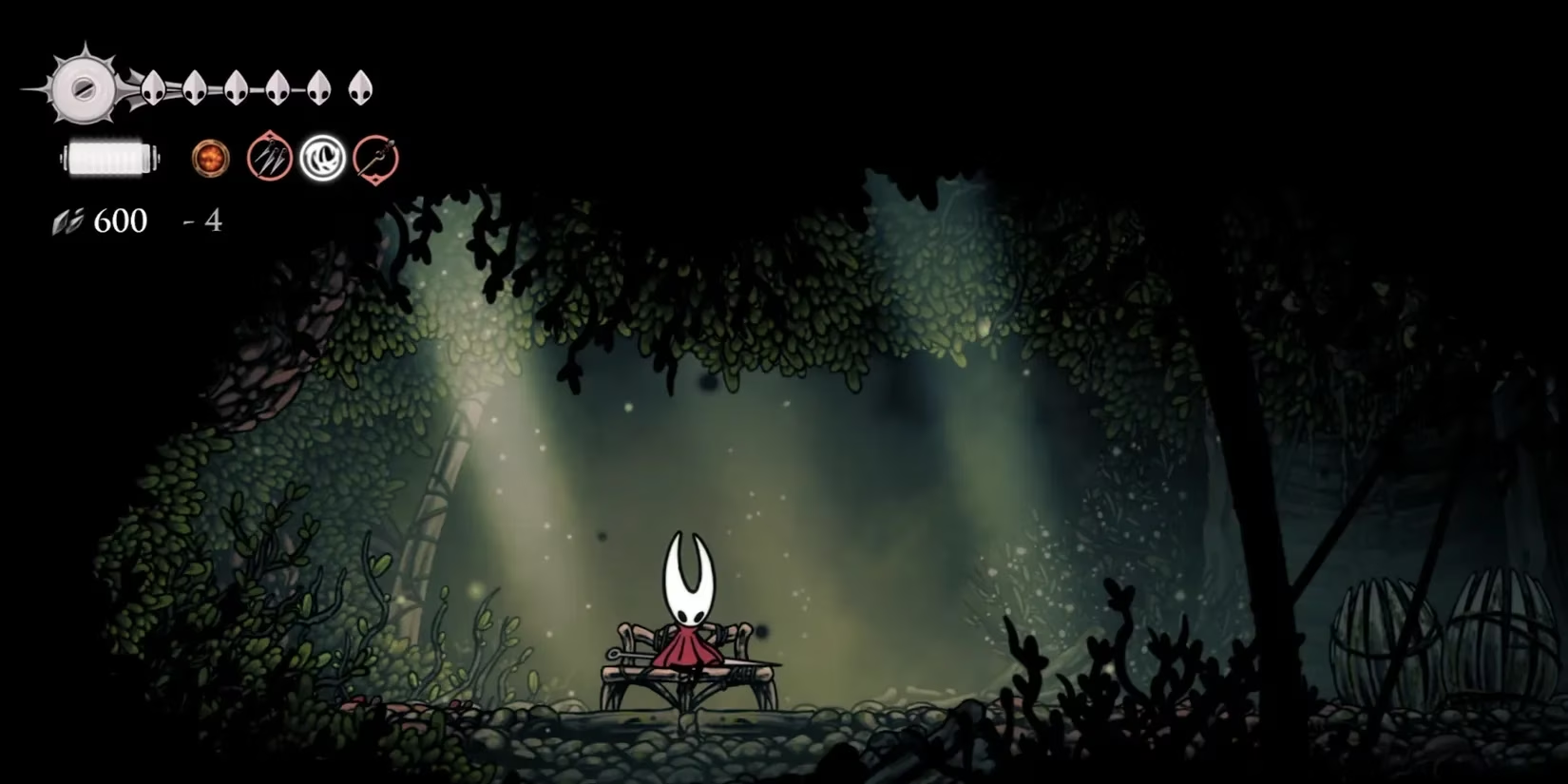
Team Cherry's long-awaited sequel is packed with secrets, but few are as devilishly simple as the fake bench in Hunter's March. After navigating a treacherous area full of traps, the sight of a welcoming bench is a siren song for any weary bug-warrior. Sitting on it, however, triggers a collapse, sending Hornet tumbling into spikes. It's a masterclass in psychological warfare, preying on a player's instinctual desire for respite. The sheer volume of online clips featuring startled yelps and resigned sighs is a testament to its effectiveness. A minor detail that became a major meme.
8. The Witcher 3: Wild Hunt - The Threesome That Wasn't
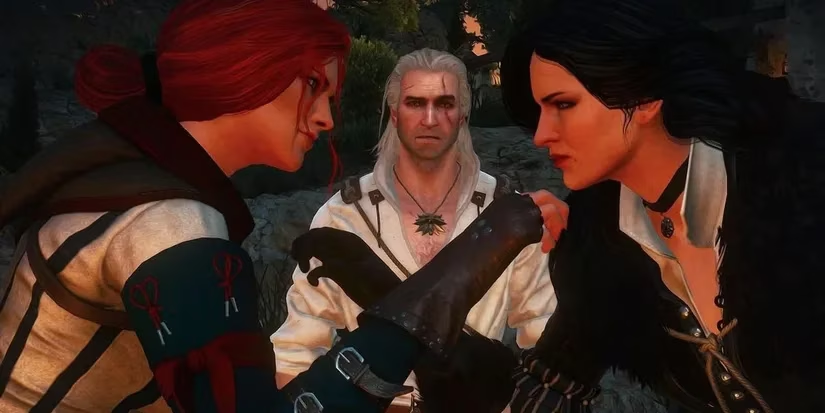
CD Projekt Red crafted one of gaming's most consequential choice-driven narratives, but they also knew their audience's... ambitions. The game allows Geralt to romance both the sorceress Yennefer and Triss Merigold across its sprawling story. Players who tried to have their cake and eat it too, however, were in for a legendary troll. Instead of a steamy scene, they are treated to a hilarious cutscene where a furious Yennefer and Triss magically tie Geralt to a bed and leave him to ponder his life choices. It's a brilliant narrative punishment for player greed, a firm but funny reminder that actions have consequences. No happy endings here, just a very embarrassed Witcher.
7. God of War: Ragnarök - Thor's Loading Screen Fake-Out
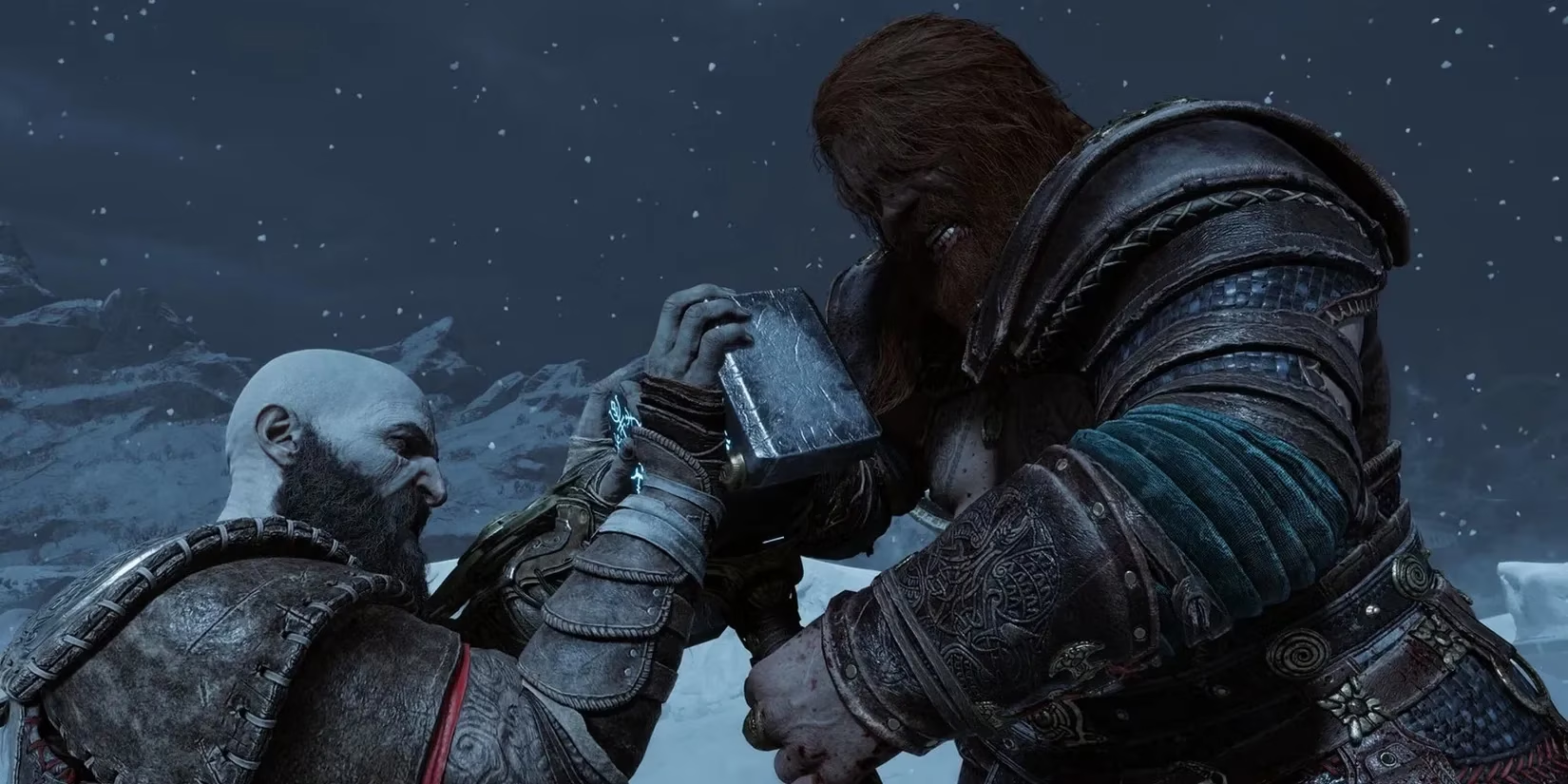
Santa Monica Studio kicked off their epic sequel with one of the most nerve-wracking pranks in AAA history. The long-awaited rematch between Kratos and Thor begins, only for the Spartan to seemingly be killed after failing a quick-time event. The screen fades to black, and a loading icon appears—a universal signal of player failure and an impending restart. But then, Thor's voice booms, "Do not hide from me, old man!" as he literally smashes through the loading screen, pulling Kratos (and the player) back into the fight. This meta-commentary on game mechanics was a jaw-dropping moment that blended narrative punch with pure trolling genius.
6. Sekiro: Shadows Die Twice - The Ape That Wouldn't Die
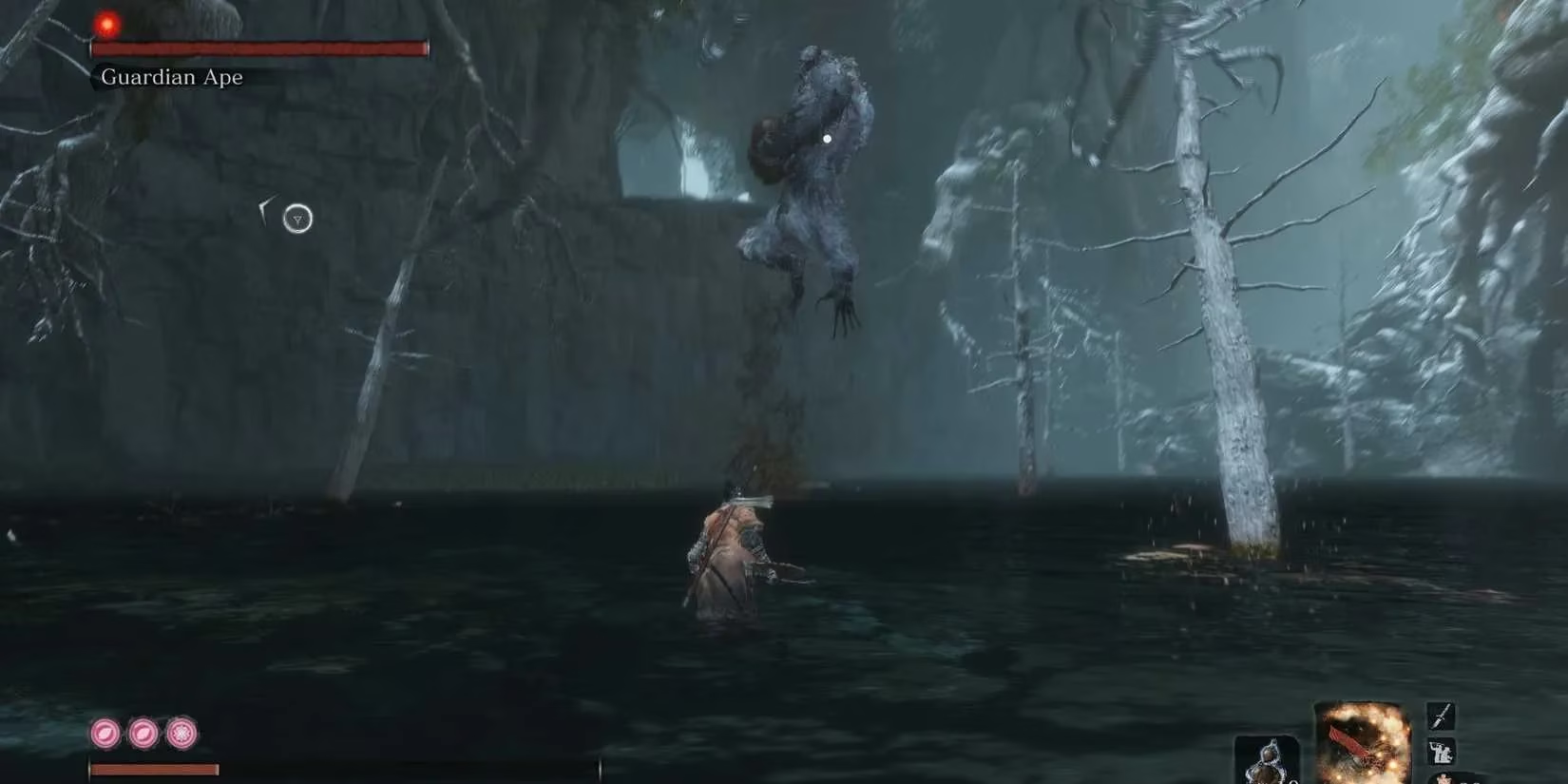
FromSoftware's Sekiro is a brutally serious game, which made the Guardian Ape's prank all the more devastating. After an arduous battle, players finally land the killing blow and see the triumphant "Shinobi Execution" message. The relief is palpable... for about three seconds. Then, the headless corpse slowly stands up, picks up its own severed head, and enters a terrifying, even more aggressive second phase. The emotional whiplash—from elated victory to utter dread—is a masterstroke of game design that feels like a personal affront from the developers. It's the ultimate "gotcha" moment in a game full of punishing lessons.
5. Hellblade: Senua's Sacrifice - The Permadeath That Wasn't
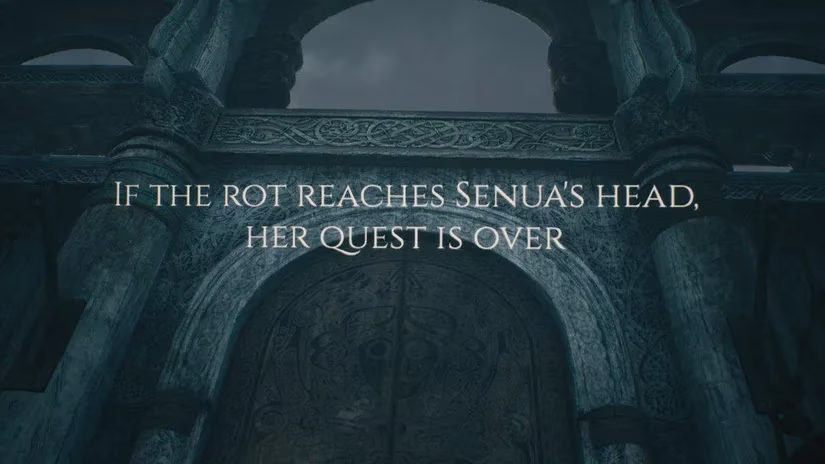
Ninja Theory's psychological masterpiece begins with a stark, text-based warning: if Senua dies too many times, the "rot" will spread to her head and delete all save data. This fabricated permadeath mechanic generated genuine anxiety at launch, perfectly aligning with the game's themes of psychosis and fragility. Of course, it was a hoax—a brilliant ludonarrative trick. The developers used the medium's interactivity not to mock, but to immerse, raising the stakes to create a tangible sense of tension that mirrored Senua's own trauma. It was a trolling with a profound purpose.
4. The Stanley Parable - The Unachievable Achievement
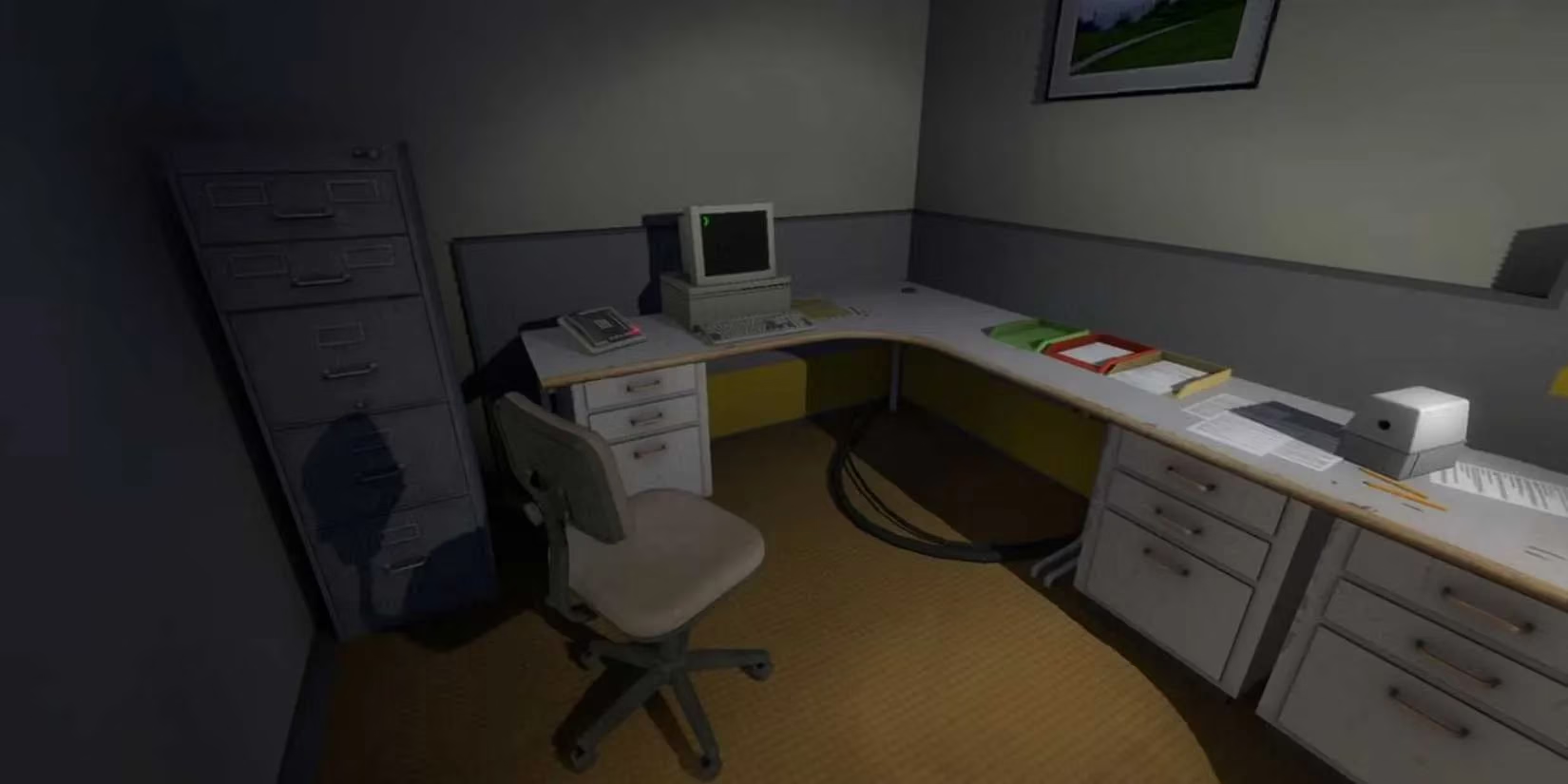
A game built on subverting player agency, The Stanley Parable is the king of meta-trolling. Its crown jewel is the "Go Outside" achievement, which originally required players to not play the game for five years. But the ultimate prank is the nebulous "Unachievable Achievement." Its description and method of unlocking are constantly in flux, a digital will-o'-the-wisp that has driven trophy hunters to madness for over a decade. Some claim it triggers by entering a specific room, others by playing on a Tuesday. The developer, Galactic Cafe, has fostered a community-wide wild goose chase, a perpetual in-joke that celebrates the futility of seeking concrete answers in a game about chaos.
3. Hades 2 - Chronos, the Boss Who Unpauses
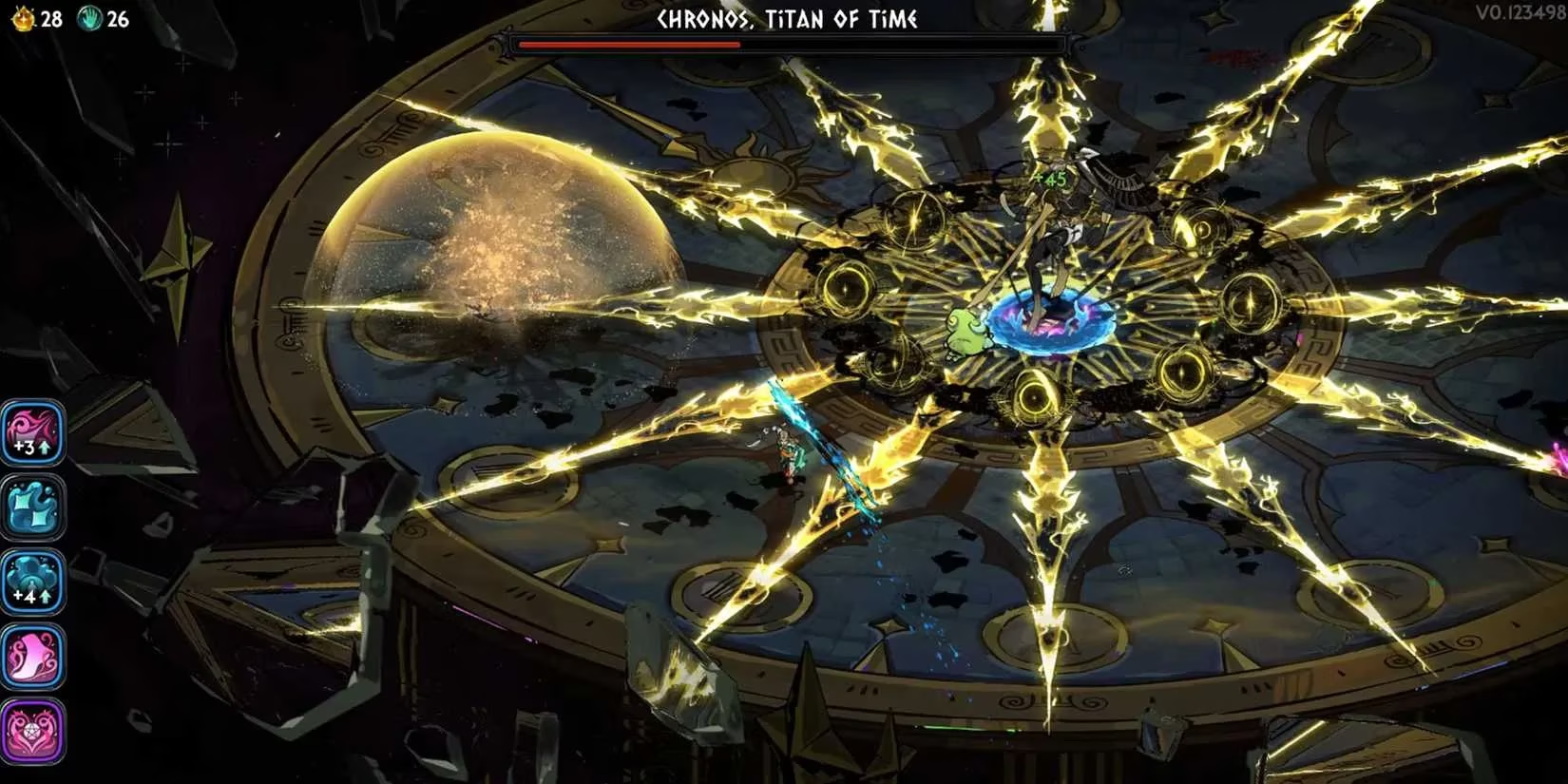
Supergiant Games' 2025 masterpiece introduced a villain who breaks the ultimate player sanctuary: the pause menu. Chronos, the Titan of Time, is a formidable foe. But his most shocking power is demonstrated mid-fight when he can actively unpause your game. As Melinoë stands frozen, Chronos monologues about his dominion over time before resuming his assault, often while the player is still processing the violation. This isn't just a cheap trick; it's sublime ludonarrative harmony. The god of time literally will not let you stop time, creating a moment of pure, spine-chilling awe and humiliation that is uniquely video game.
2. Dark Souls - The Pendant of Perpetual Mystery
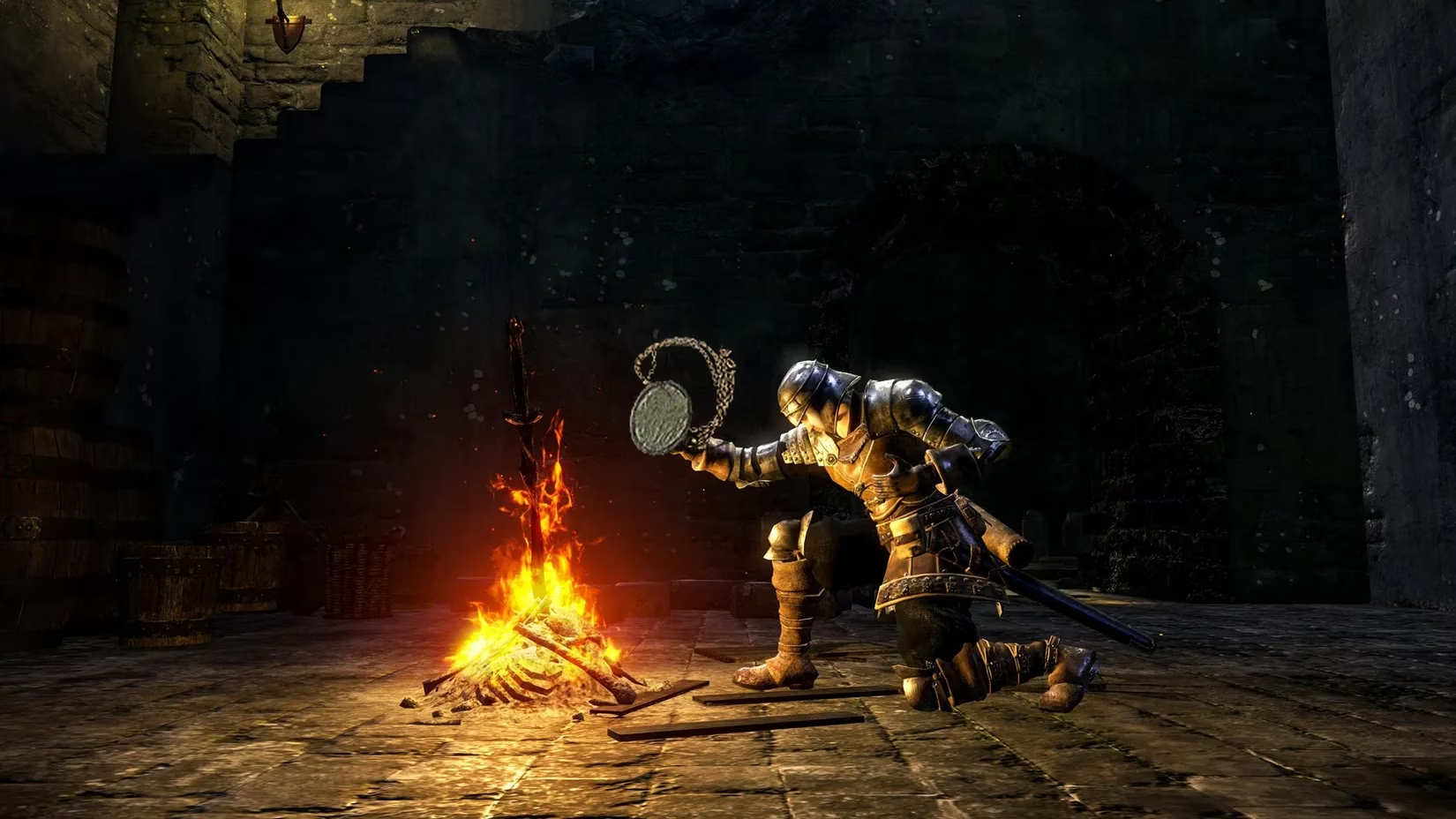
FromSoftware's legacy of trolling arguably began here. At character creation, players can choose a "Tiny Being's Ring" or, curiously, a "Pendant" described simply as "A simple pendant with no effect." In a game renowned for its obscure secrets, this was a red flag to a community of bulls. For years, players theorized, tested, and data-mined, convinced it unlocked some ultra-secret. Even after director Hidetaka Miyazaki admitted in 2012 it was a joke—a choice for role-playing—the myth persisted. The pendant became a symbol of the community's collective paranoia and dedication, a decade-long inside joke that highlights the PTSD-like dedication of Souls fans. Sometimes, the greatest trick is implying there might be a trick.
1. Metal Gear Solid 2: Sons of Liberty - The Ultimate Protagonist Switcheroo
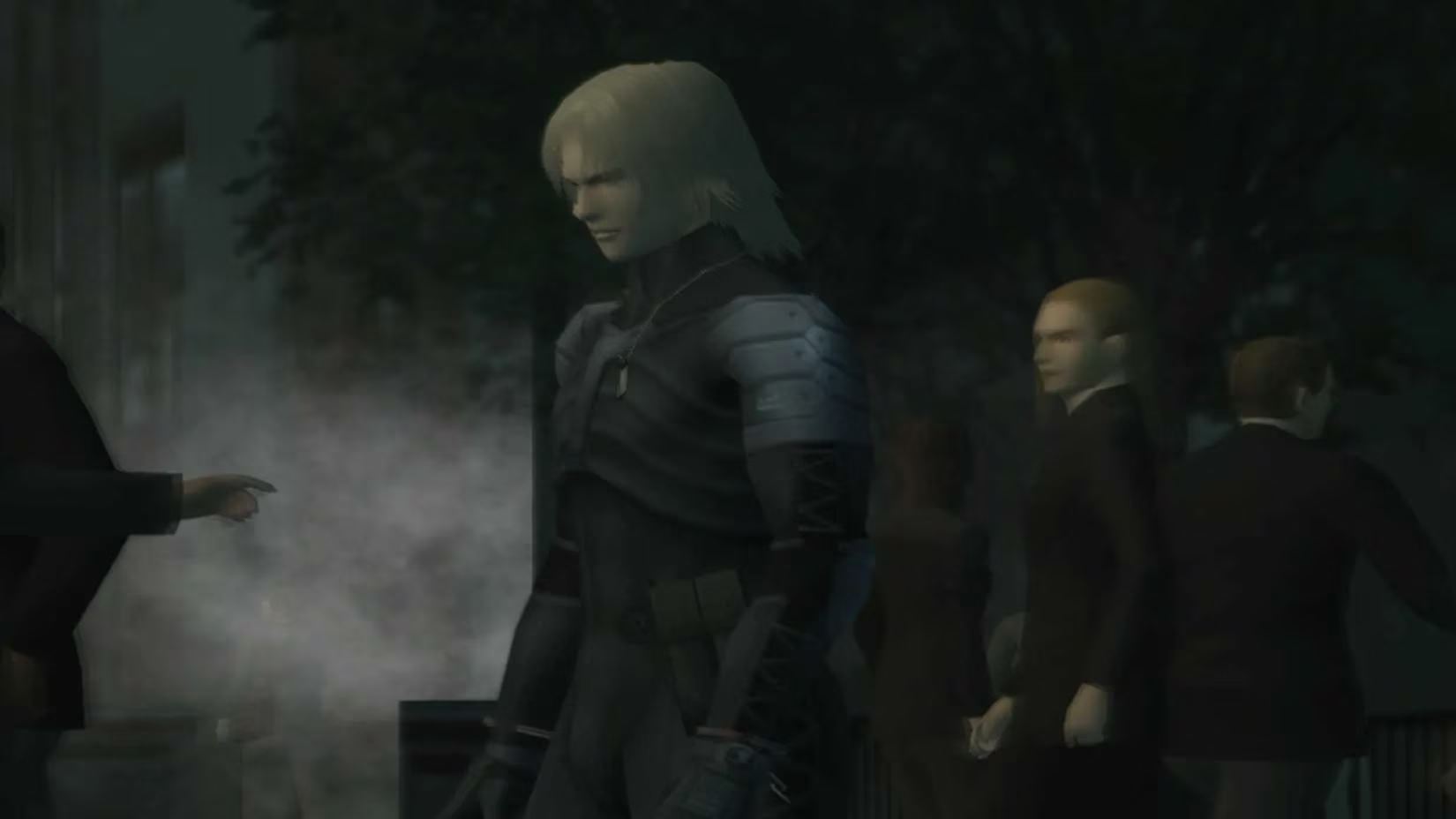
Hideo Kojima's magnum opus of trolling remains unmatched. After the iconic Metal Gear Solid, every trailer, demo, and piece of marketing for the sequel prominently featured hero Solid Snake. Players booted up the game, played a thrilling prologue as Snake... and were then abruptly introduced to Raiden, a rookie operative who would be the actual protagonist for the vast majority of the game. The sense of betrayal was historic, sparking outrage and refunds. Kojima didn't just troll players; he used that subversion to craft a meta-commentary on sequels, player expectation, and digital identity. While now hailed as a visionary work, MGS2's launch was the single greatest bait-and-switch in gaming history, a prank so audacious it forever changed how players view marketing and narrative in games.
These ten instances prove that even in 2026's corporate gaming landscape, the soul of playful creativity endures. These pranks, trolls, and meta-jokes are not signs of disrespect, but rather love letters to an engaged, observant community. They create shared stories, unforgettable moments, and a unique bond between creator and player. So the next time a game makes you yell at the screen in mock outrage, remember—it's all in good fun. Probably.
This overview is based on reception trends tracked by Metacritic, where critical consensus and user commentary often highlight how memorable “developer troll” moments—like fake permadeath warnings, bait-and-switch protagonists, or bosses that break expected rules—can become defining talking points that shape a game’s long-term reputation.
Leave a Comment
Comments