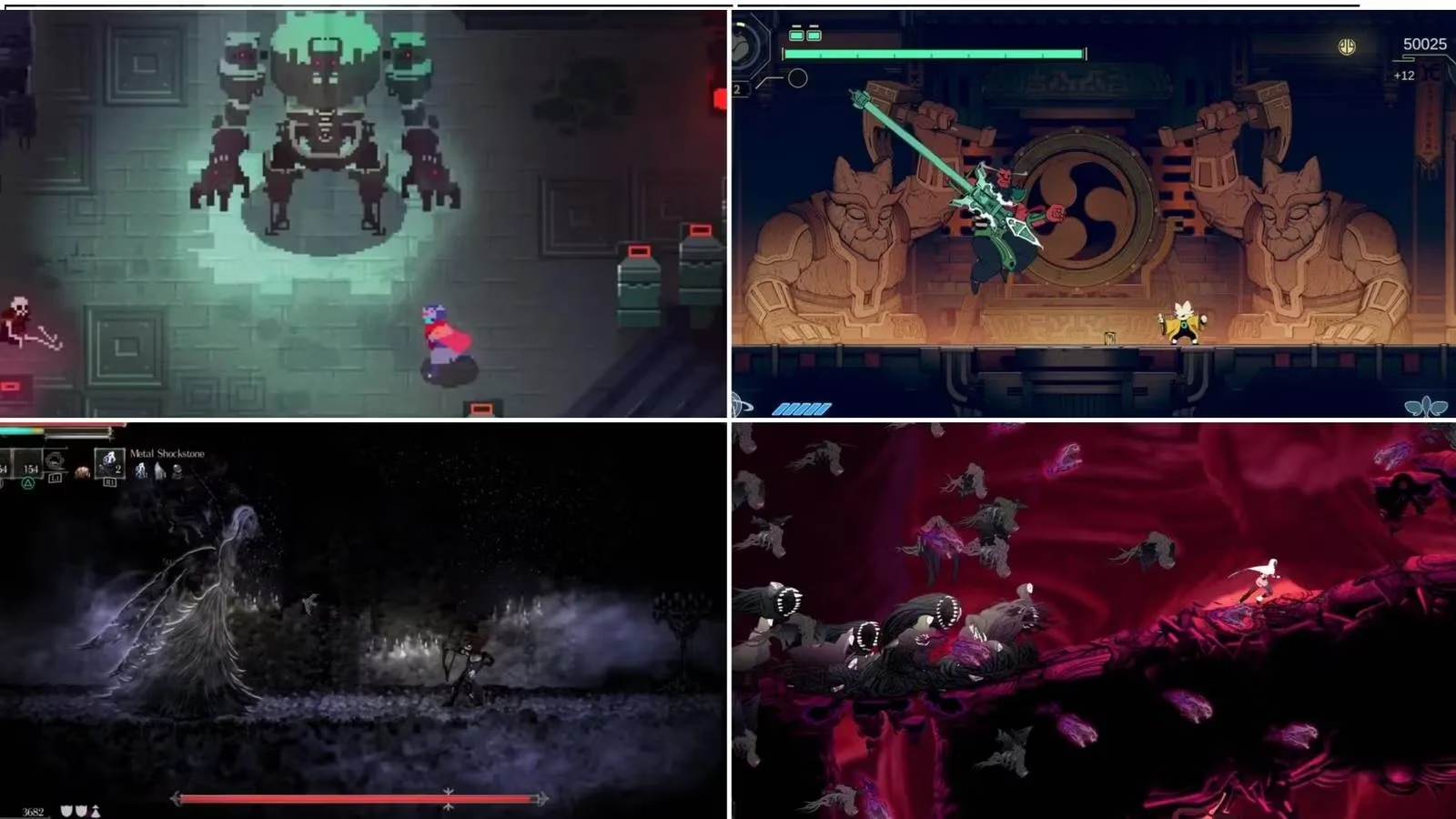
Ever since Hollow Knight: Silksong finally released in early 2026, a peculiar emptiness has settled over countless players. After spending weeks uncovering every secret in Pharloom, mastering Hornet’s dazzling combat, and absorbing that hauntingly beautiful soundtrack, one question keeps returning: what on earth comes next? It is a void that mere replays cannot fill. But the gaming world is vast, and if you look carefully, there are adventures that echo Silksong’s core—tight, acrobatic combat, sprawling interconnected maps, and that distinct blend of melancholy and wonder. Some are direct metroidvania kin, others capture the same emotional heartbeat, and a few somehow manage to feel even bigger. Here are ten exceptional titles to ease the longing, each worthy of claiming your next hundred hours.
10. Ori and the Blind Forest
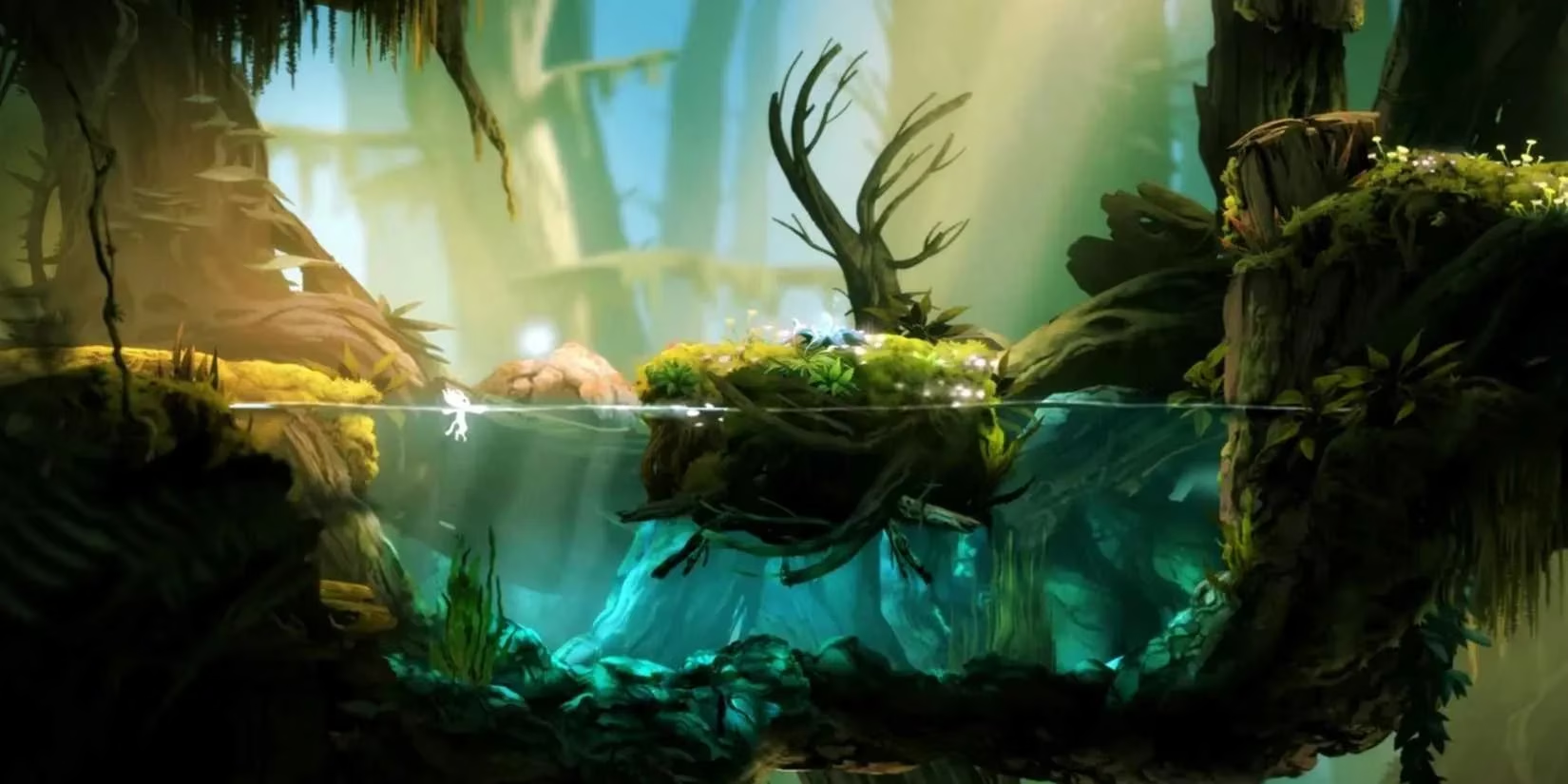
Did you find yourself simply staring at Silksong’s backgrounds, unable to resist the pull of every uncharted chamber? Ori and the Blind Forest captures that same insatiable urge to see everything. Moon Studios crafted a world where movement is as gratifying as the eye candy. Fluid dashes, double jumps, and glides make traversal a joy, even if combat takes a back seat. Paired with a tear-jerking story and an orchestral score, it mirrors Silksong’s capacity to enchant through pure audiovisual grace. And the best part? A sequel, Ori and the Will of the Wisps, refines the formula even further, waiting for you once the credits roll.
9. Blasphemous 2
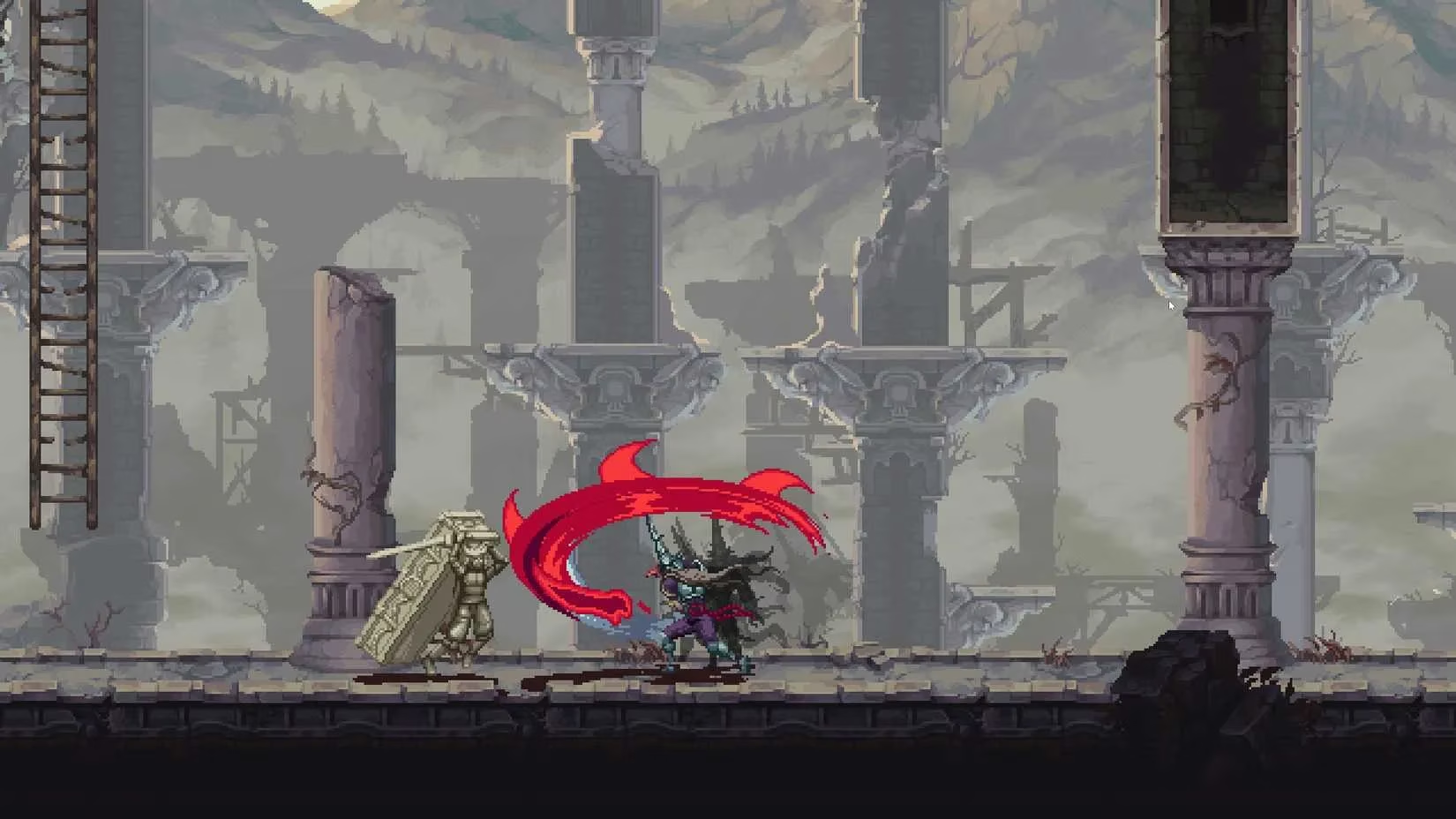
How many times did you pore over the map in Silksong, convinced some hidden wall had to exist? That craving for completionism is precisely what Blasphemous 2 feeds. The Game Kitchen’s sequel transforms Cvstodia into a much more open, interconnected labyrinth than its predecessor, and every discovered secret feels hard-earned. Its grotesque religious imagery might seem worlds apart from Pharloom, but the rhythm of exploration—noticing a ledge you cannot yet reach, finally returning with the right ability—feels unmistakably familiar. Bosses are monstrous masterpieces, and the improved platforming abolishes the frustration of instant spikes, leaving behind pure, sombre satisfaction.
8. Have a Nice Death
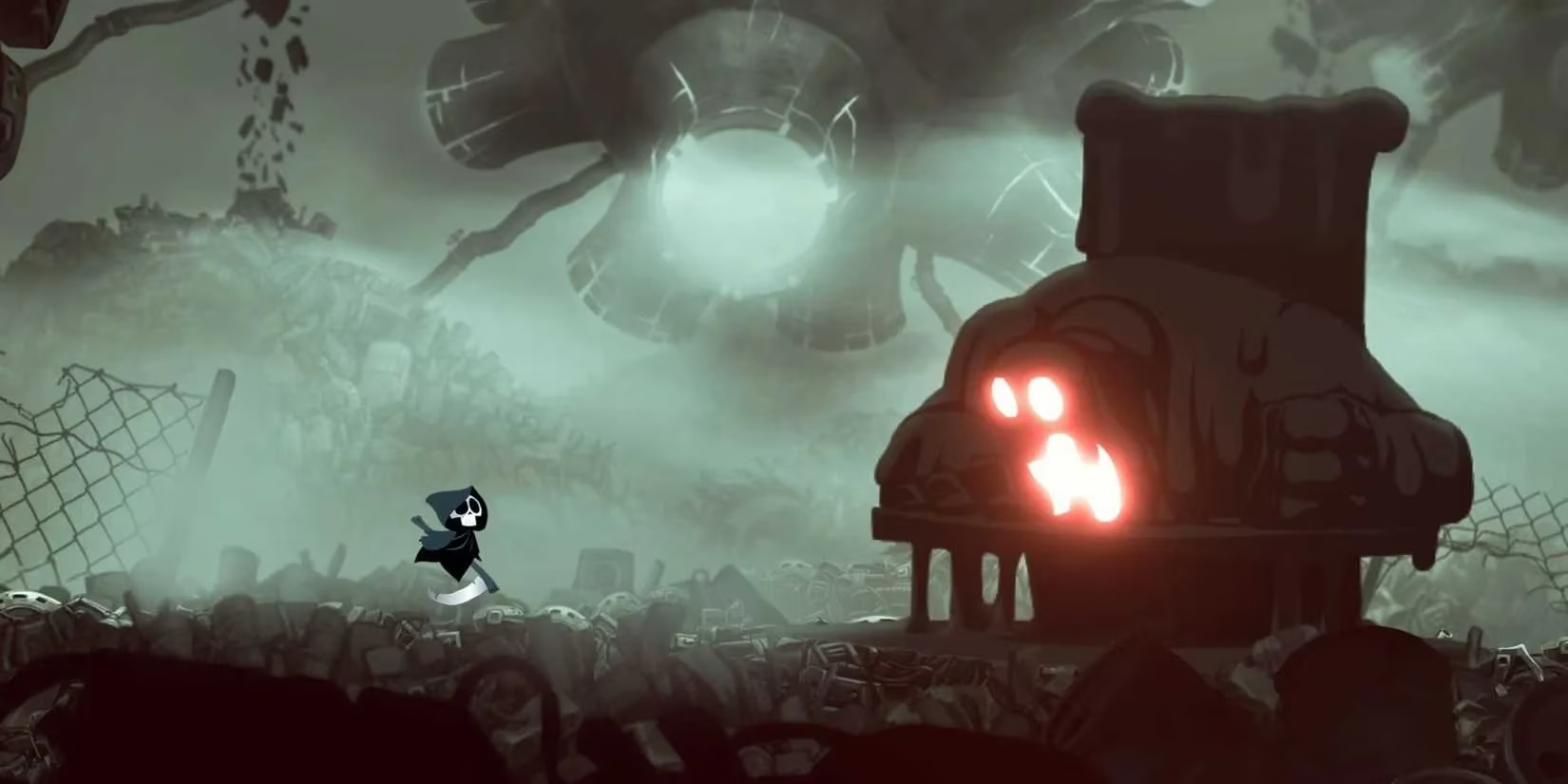
What if Silksong’s combat were injected into a roguelike? The result would look a lot like Have a Nice Death. Its controls feel as though a surgeon polished them—every slash, dash, and aerial spin exudes mechanical perfection. The hand-drawn art merges gothic office satire with fluid animation, creating a bizarrely cozy hell. Boss encounters demand precision and pattern recognition that Hornet mains will immediately appreciate. Can you swap protagonists and not feel out of place? Absolutely. The reliance on verticality and positioning, combined with diverse weapons and curses, makes each run a masterclass in refined 2D action.
7. Sundered
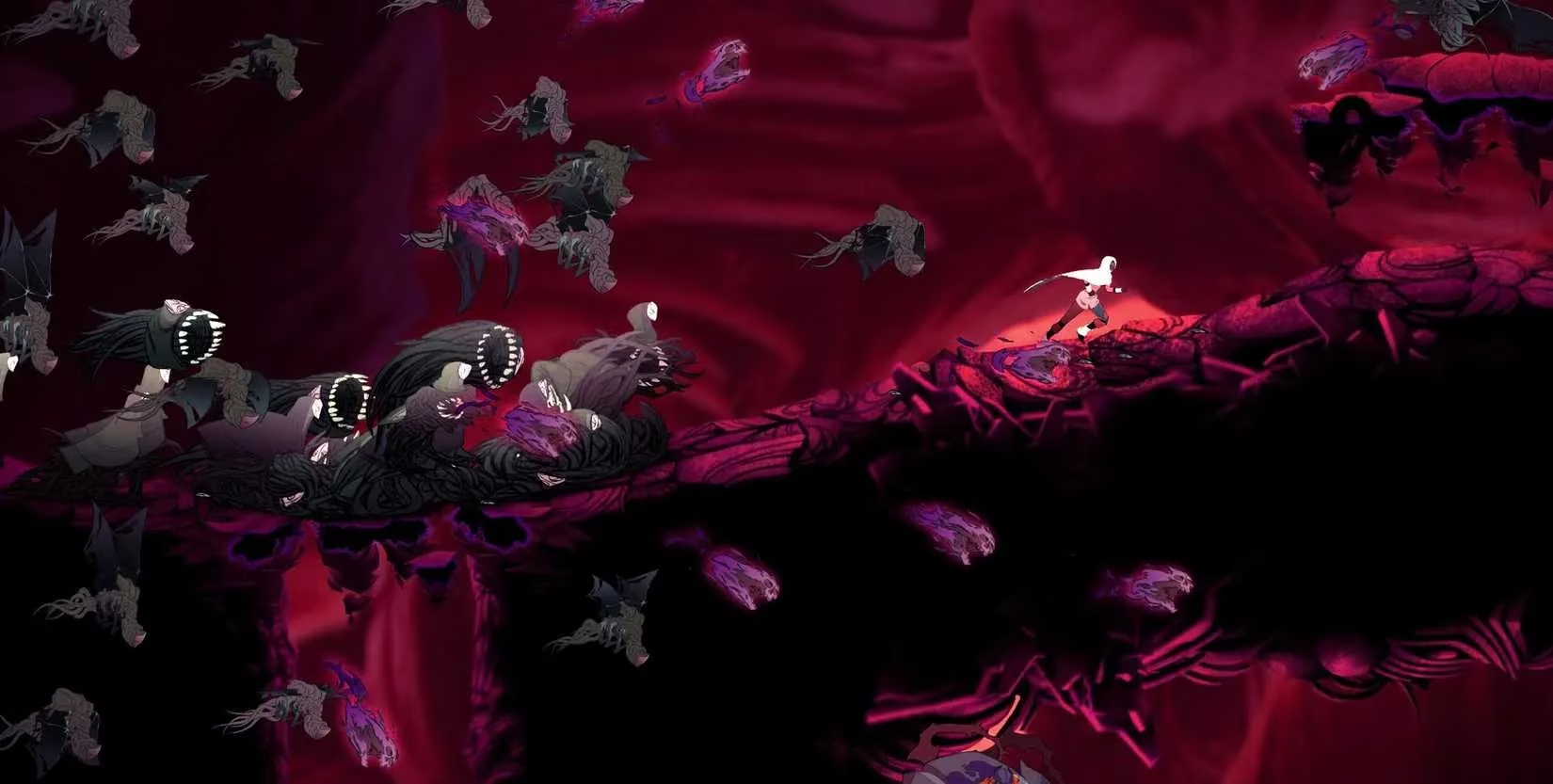
A screen-filling boss is never just a visual spectacle in Silksong; it’s a dance of movement and aggression. Sundered amplifies that to absurd heights, pitting you against threats so colossal they dwarf entire chambers. Thunder Lotus Games’ eldritch metroidvania fuses chaotic horde combat with silky traversal, demanding that you never stop moving while slashing. The procedural elements might cause a raised eyebrow, but the way aerial combos and mid-boss platforming meld into a seamless, punishing flow recalls Hornet’s most frantic fights. And the final challenge? It will make you rethink everything you know about patience.
6. Hyper Light Drifter
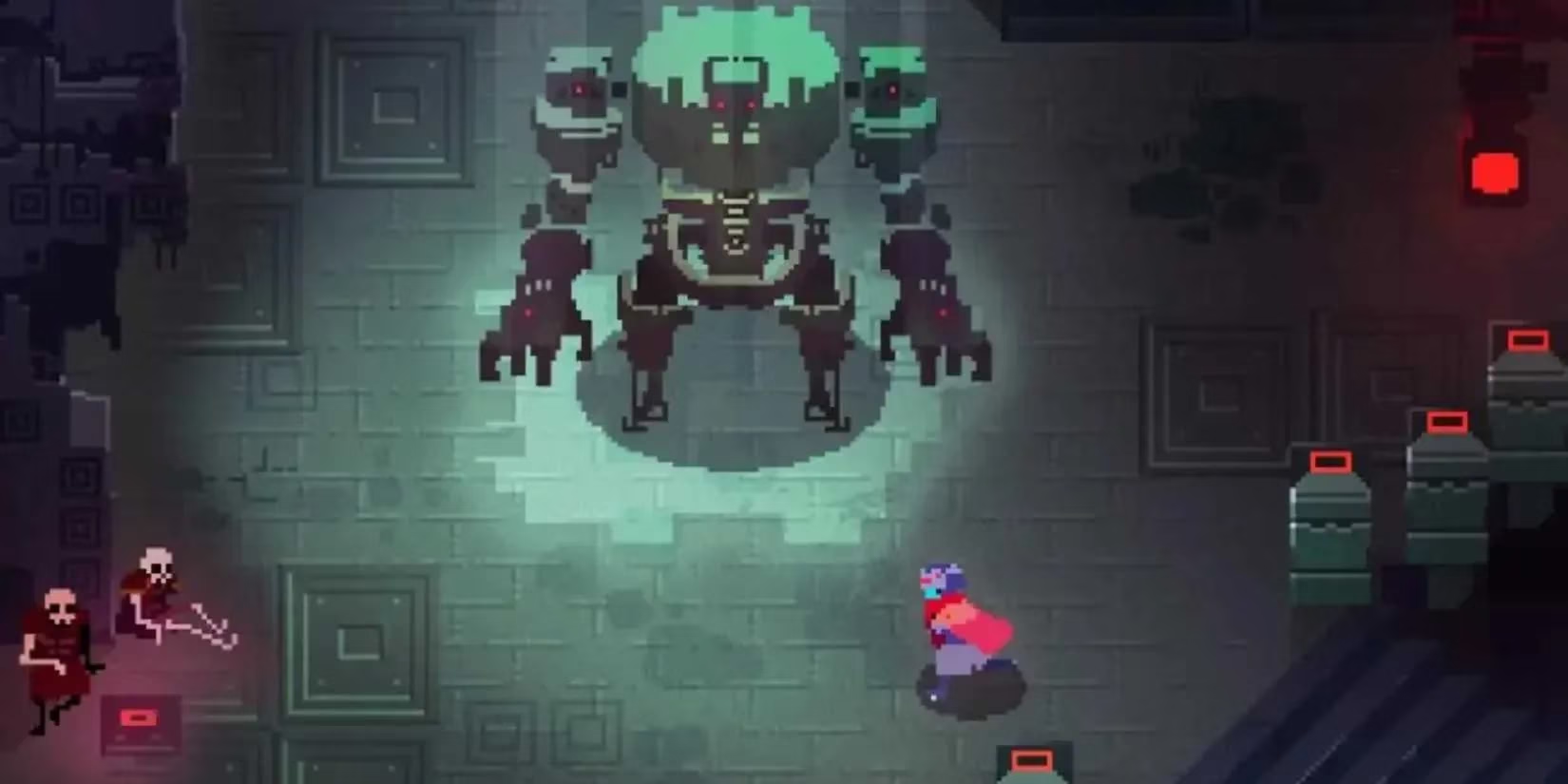
Is it possible to convey profound melancholy without a single spoken line? Hyper Light Drifter proves it beyond doubt. It shares with Silksong the sense of stepping into a decaying world whose history you feel rather than read. The lonely wanderer, the cryptic ruins, the sudden bursts of savage combat—all build an atmosphere that sticks to your soul. Sure, there are no towns or NPCs, but the sheer weight of discovery, that moment when the music swells just as a new vista unfolds, is identical. Both games are crescendos of emotion; finishing them transforms something inside you, and you will emerge from the journey irrevocably changed.
5. Salt and Sanctuary
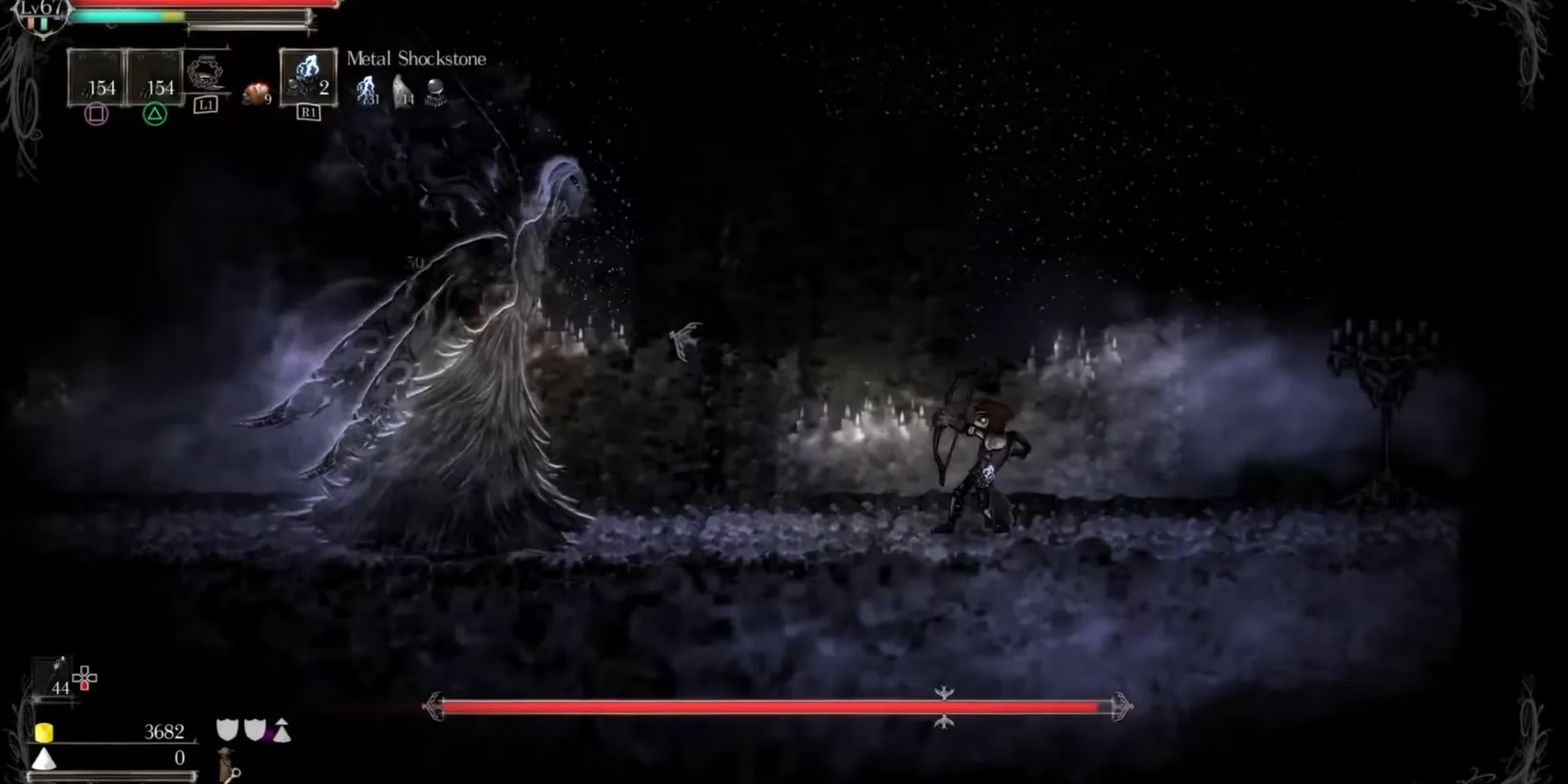
Does being lost feel like progress? In Salt and Sanctuary, it absolutely does. Ska Studios’ grim 2D Soulslike predates even Hollow Knight, yet its philosophy of hidden areas buried behind absurdly obscure secrets aligns perfectly with Silksong’s vertical depths. Entire covenants, bosses, and lore threads will slip past the average player, echoing the staggering amount of optional content Team Cherry buried in Pharloom. Its combat hits with a heavier, more deliberate crunch, and the vast skill tree leans into RPG territory, but the backtracking structure and the thrill of stumbling upon a completely missable kingdom remain brilliantly kindred.
4. Ender Lilies: Quietus of the Knights
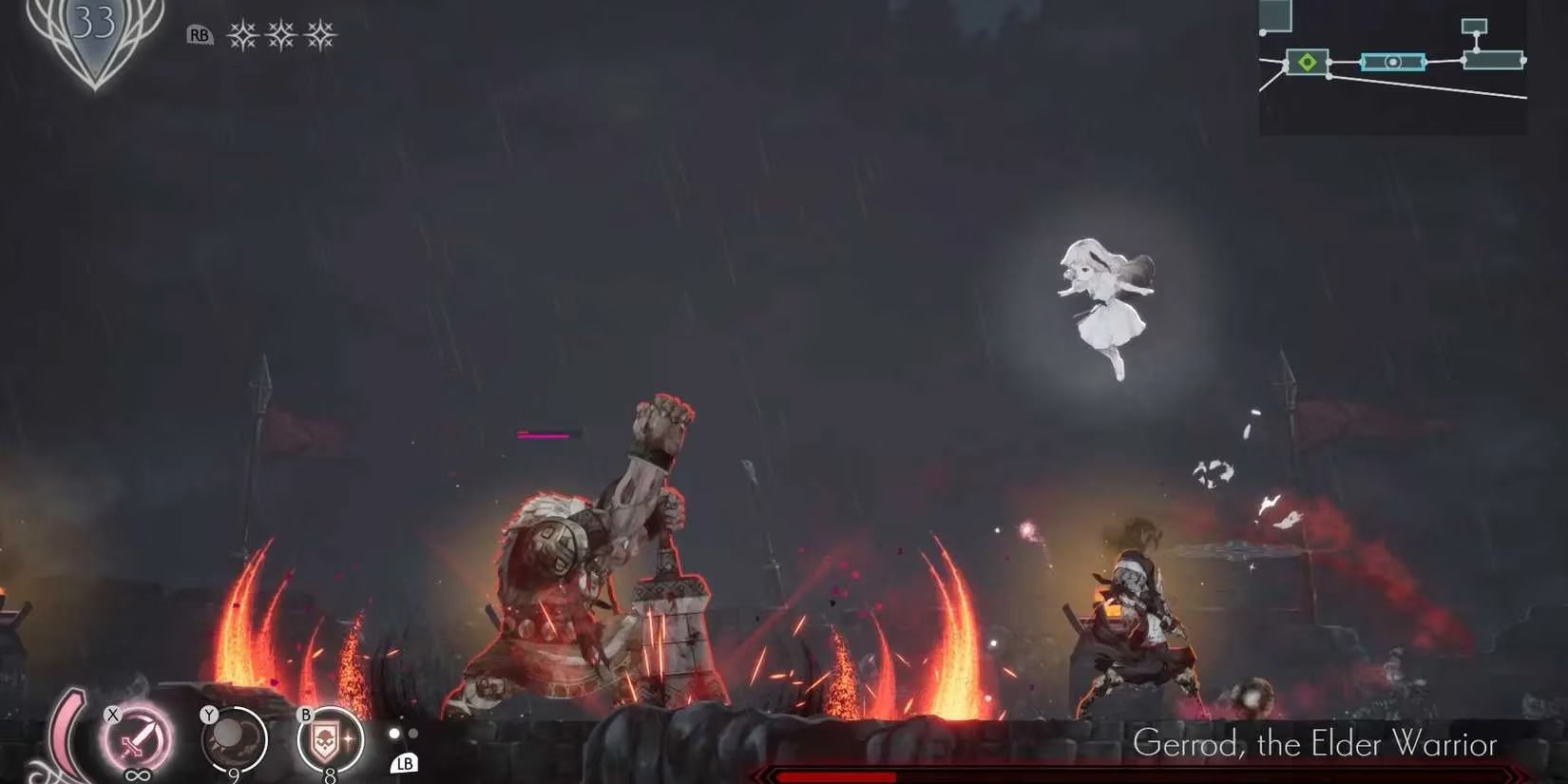
Since 2017, countless titles have tried to bottle the same magic as Hollow Knight. Few have come as close as Ender Lilies: Quietus of the Knights. Its rain-soaked ruins, muted color palette, and sorrowful piano melodies create an overwhelming sense of exploring a once-great civilization—sound familiar? Mechanically, the game leans hard into Silksong’s tool-based combat: Lily’s summoned guardians echo Hornet’s Crests, opening up wildly adaptable playstyles. From the tragic boss histories to the way the map gradually breathes life back into your hands, this is the undisputed heir to Team Cherry’s emotional and mechanical throne.
3. Animal Well
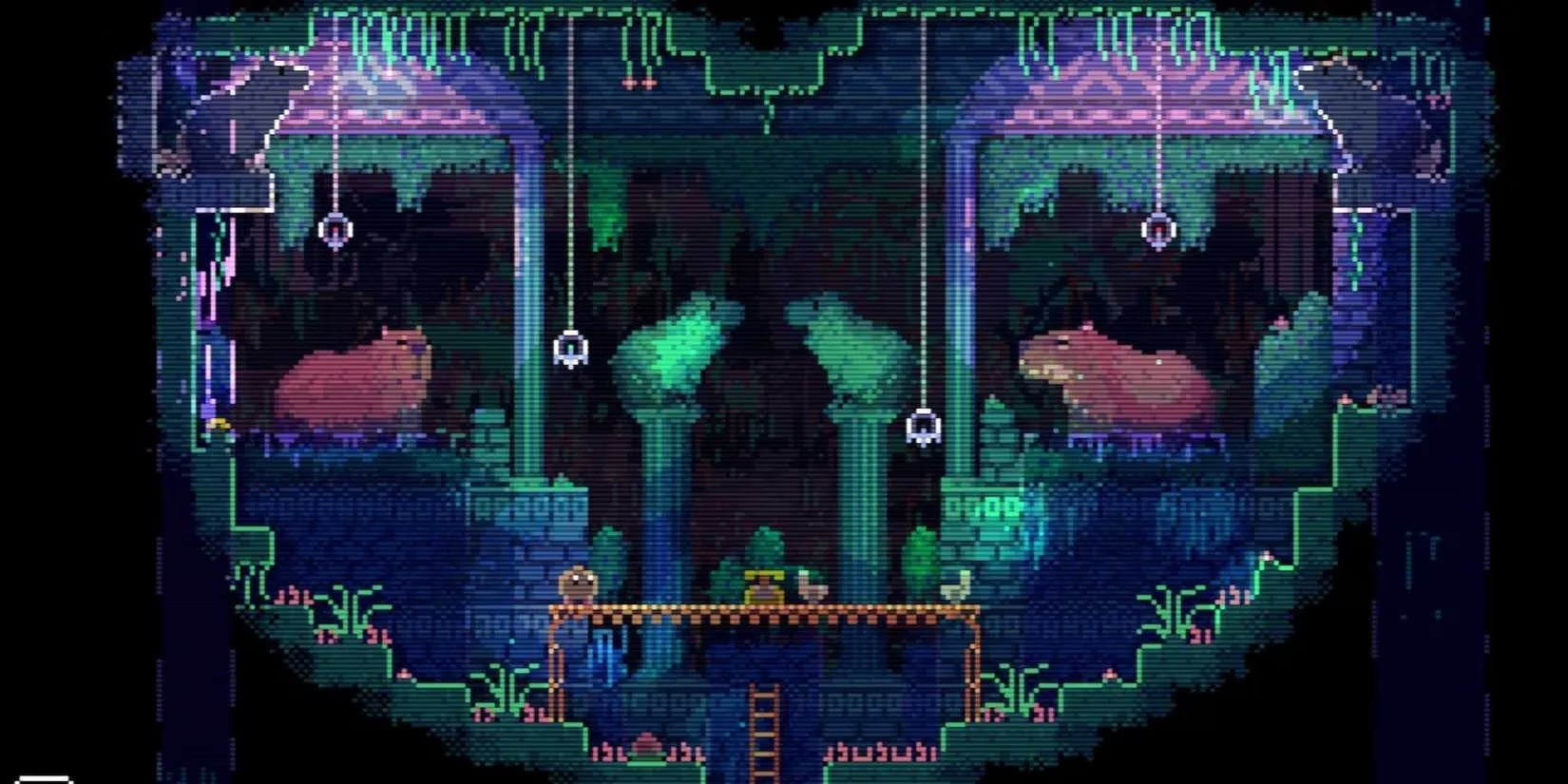
Remember the moment you first beat a major boss in Silksong, only to realise the real journey had barely begun? Animal Well multiplies that feeling a hundredfold. Billy Basso’s puzzle-box metroidbrainia contains no traditional combat, yet its ability to surprise you hour after hour defies logic. The map peels back layer after layer of mechanics, unlocking not just new areas but entirely new ways of perceiving the environment. It is, like Silksong, a game that seems impossible for a human to have designed. The constant, dizzying sense of revelation makes these two adventures soulmates in discovery, even if you never raise a needle.
2. Nine Sols
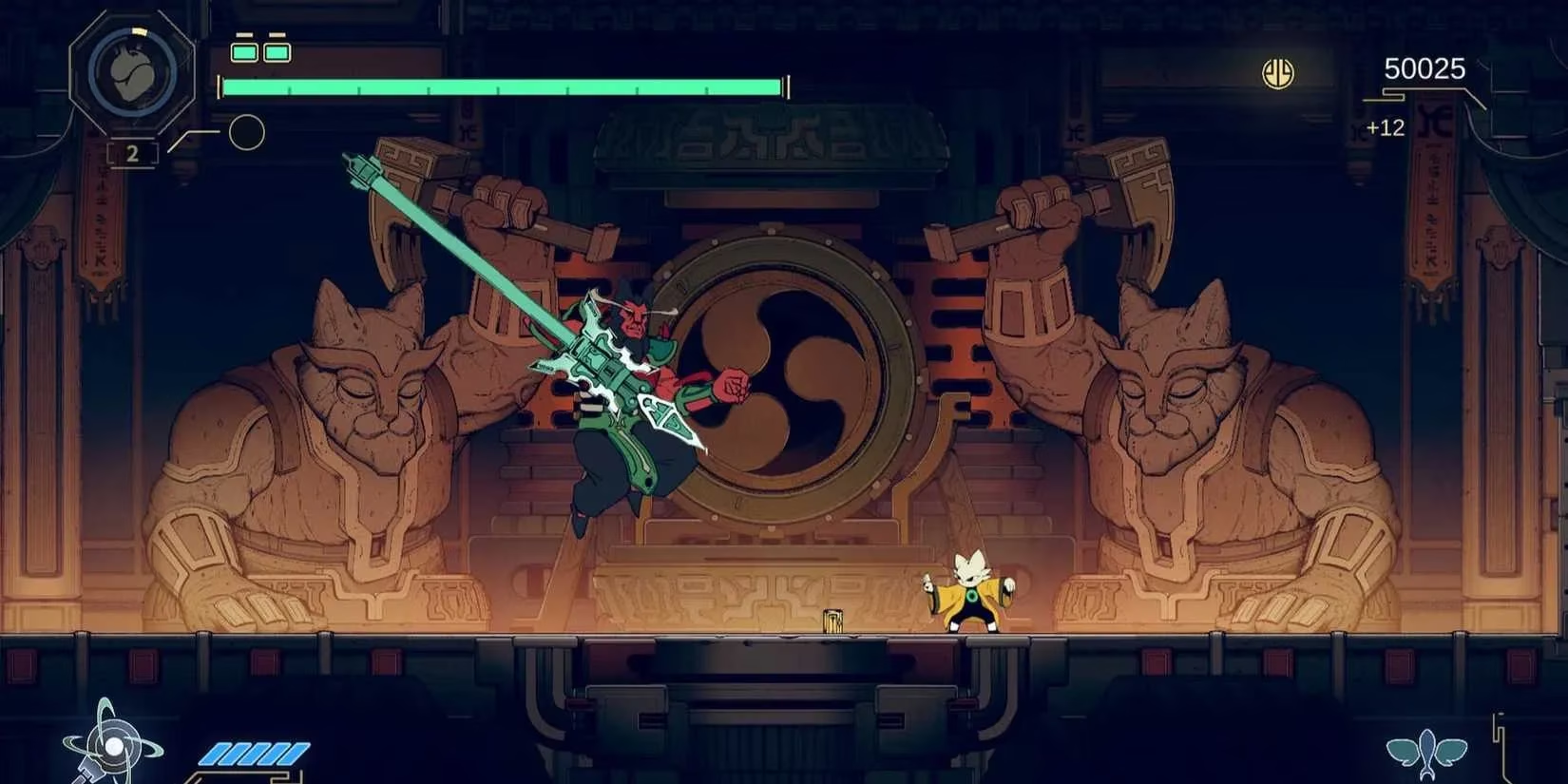
Could Silksong’s taut combat have a spiritual ancestor? Look no further than Nine Sols. Red Candle Games’ hand-drawn masterpiece introduced a formal parry system and deflection mechanics that reward aggressive precision as much as Hornet’s acrobatic reprisals. Its Taoist-punk aesthetic fuses ancient mysticism with sci-fi horror, wrapped in an uncommonly steep difficulty curve that mirrors Silksong’s refusal to coddle. Boss fights are intricate thesis papers on pattern recognition, and NPC questlines genuinely shape the ending. If Team Cherry drew inspiration from any contemporary, it would be this—both games stand as the most mechanically refined metroidvanias not bearing the word “Hollow.”
1. Elden Ring
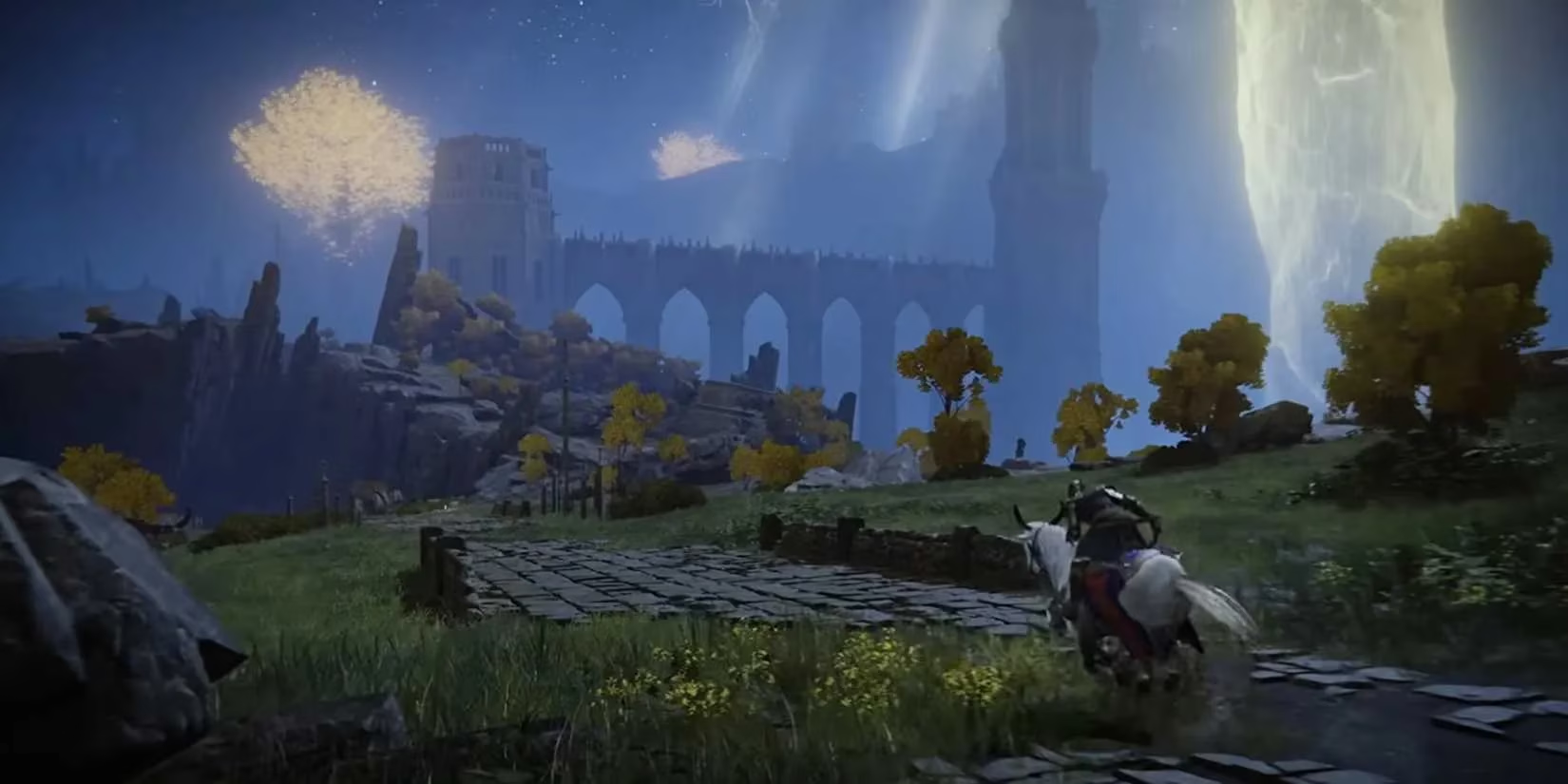
How can a vast 3D open world possibly feel the same as a 2D metroidvania? Yet Elden Ring remains the only game that truly matches Hollow Knight: Silksong in sheer wonder-per-square-foot. Both share an unbridled ambition to make every corner a potential rabbit hole—just when you think the map is finished, another three-hour legacy dungeon sprawls open, complete with its own forgotten demigods. They demand total immersion, punishing carelessness while rewarding curiosity that borders on obsession. Is combat identical? No. But the soul-stirring sensation of wandering into the unknown, of finding a majestic ruin and realizing no other title fills you with such awe, is uniquely theirs. After the credits roll, you will spend weeks simply thinking about what you experienced. If you seek to relive that vast, intimate magic, Elden Ring is the only answer.
These ten games do not simply imitate; each distills a piece of what makes Silksong unforgettable. Whether you crave flawless combat, melancholic exploration, or endlessly unfolding secrets, there is a new world waiting. Pick one, lose yourself, and remind yourself why this medium captures hearts like no other.
Leave a Comment
Comments