In 2026, a seasoned explorer of virtual worlds decided to revisit the Metroidvania genre with a simple question: What makes exploration truly rewarding? He had long understood that the journey mattered as much as the destination, but recent years had seen an explosion of titles that pushed this philosophy to new heights. From punishing platforming gauntlets to secrets that reshaped entire narratives, these games didn't just hand out shiny trinkets for wandering off the beaten path—they made the very act of discovery a masterpiece.
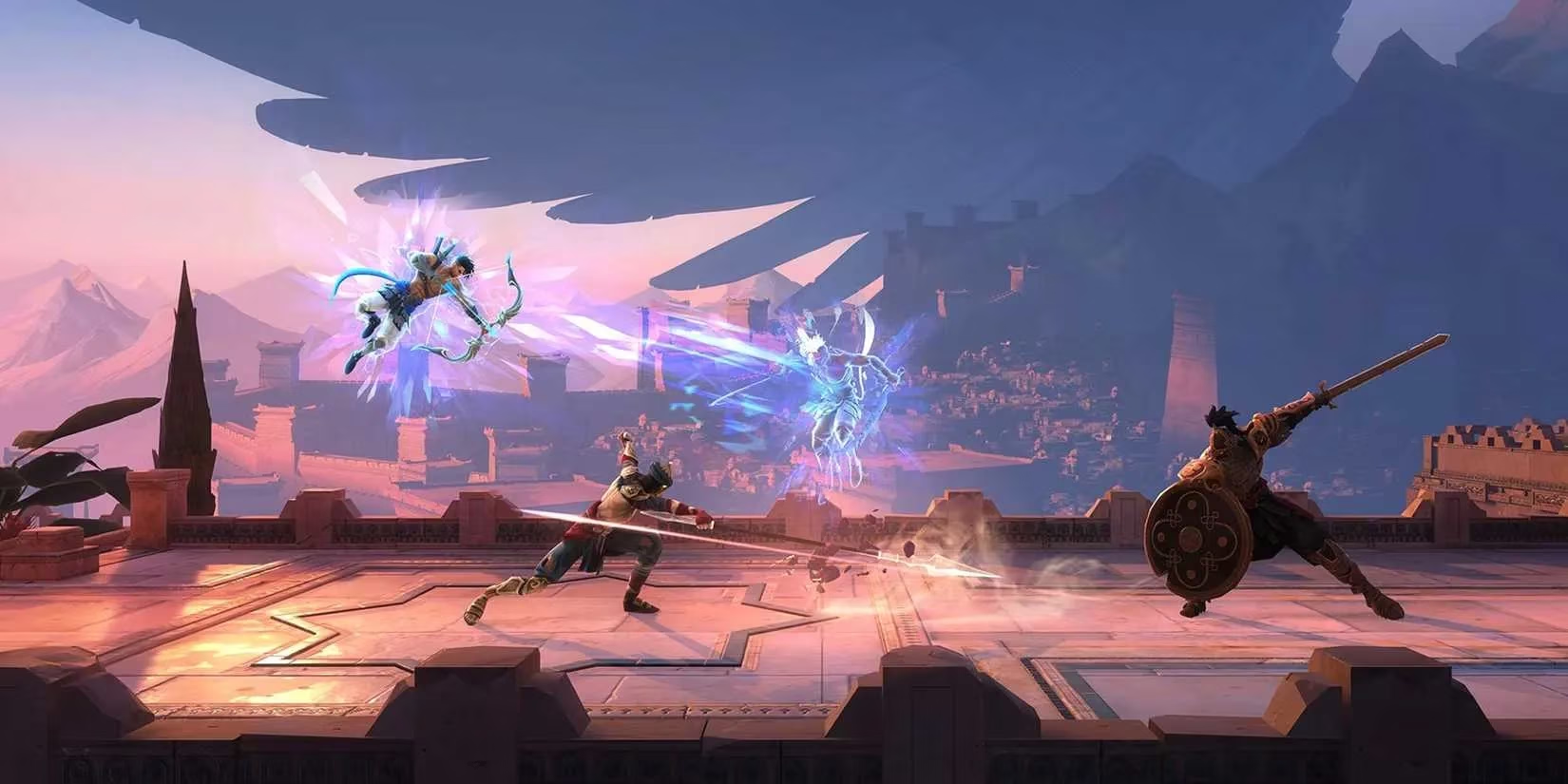
10. Prince of Persia: The Lost Crown – Challenges Are the Prize
In his quest, he first set foot in the sun-scorched realm of Mount Qaf. Prince of Persia: The Lost Crown from Ubisoft surprised him with its sheer mechanical polish. While the tangible rewards—cosmetics or minor tools—often felt forgettable, the true treasure lay hidden in the demanding platforming sequences and mini-boss encounters. Every impossibly tricky wall jump and precisely timed dash became its own reward. He often asked himself, "Must every prize be a new weapon, or can the exhilaration of perfect execution be enough?" This game answered with a resounding yes.
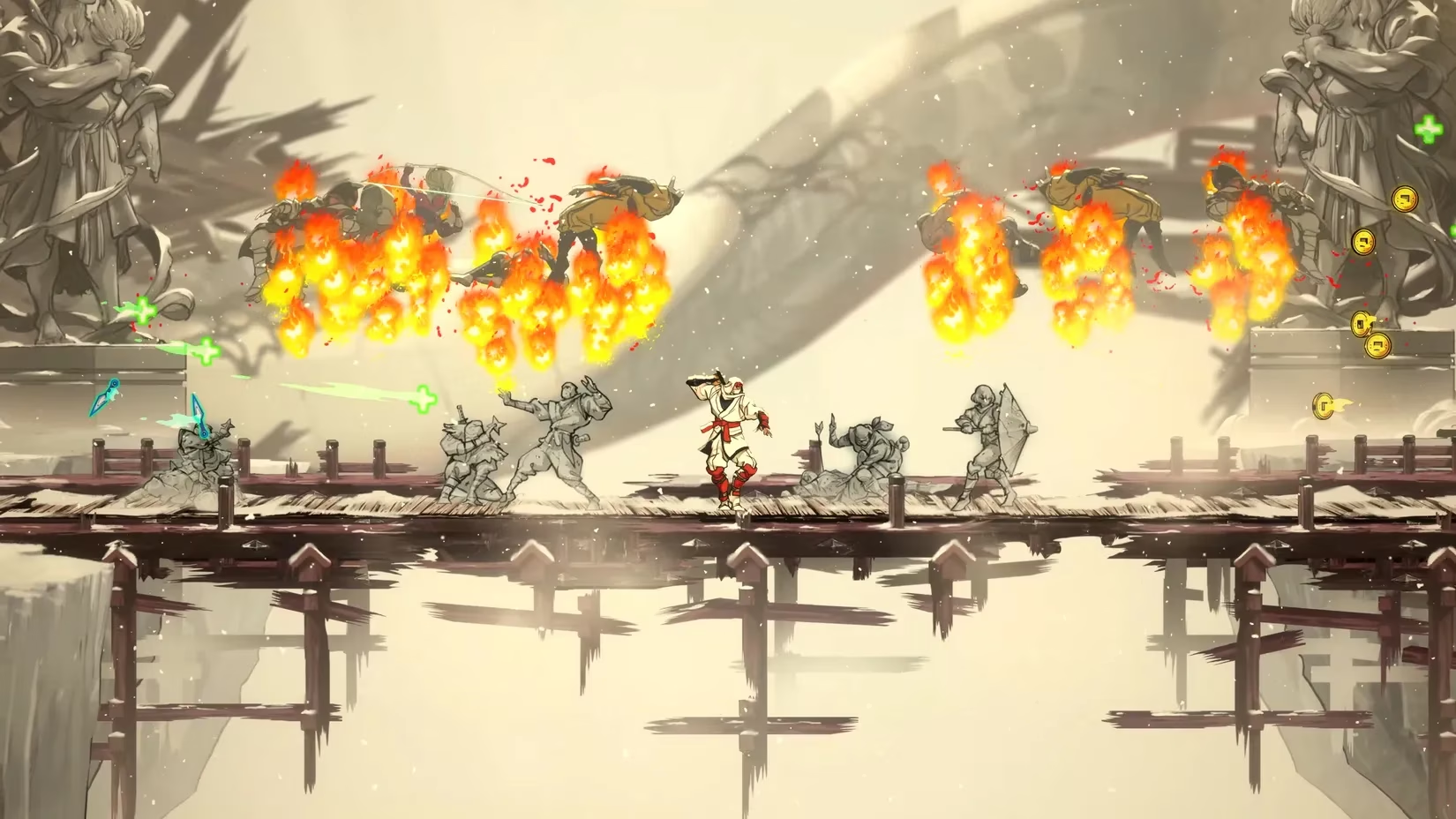
9. Shinobi: Art of Vengeance – A Secret to Reveal
He then turned to the screen-by-screen world of Shinobi: Art of Vengeance, a 2025 gem that held one of the genre's greatest hidden surprises. The combat system felt sublime, and every area teased him with indicators of missed secrets. But what truly fueled his exploration was the promise of a secret boss fight locked behind exhaustive reconnaissance. Was it worth scouring every corner for lab keys? The moment he faced that hidden foe, the answer became unforgettable. Even without lavish item rewards, the sheer joy of overcoming elite challenges made this a stand-out.
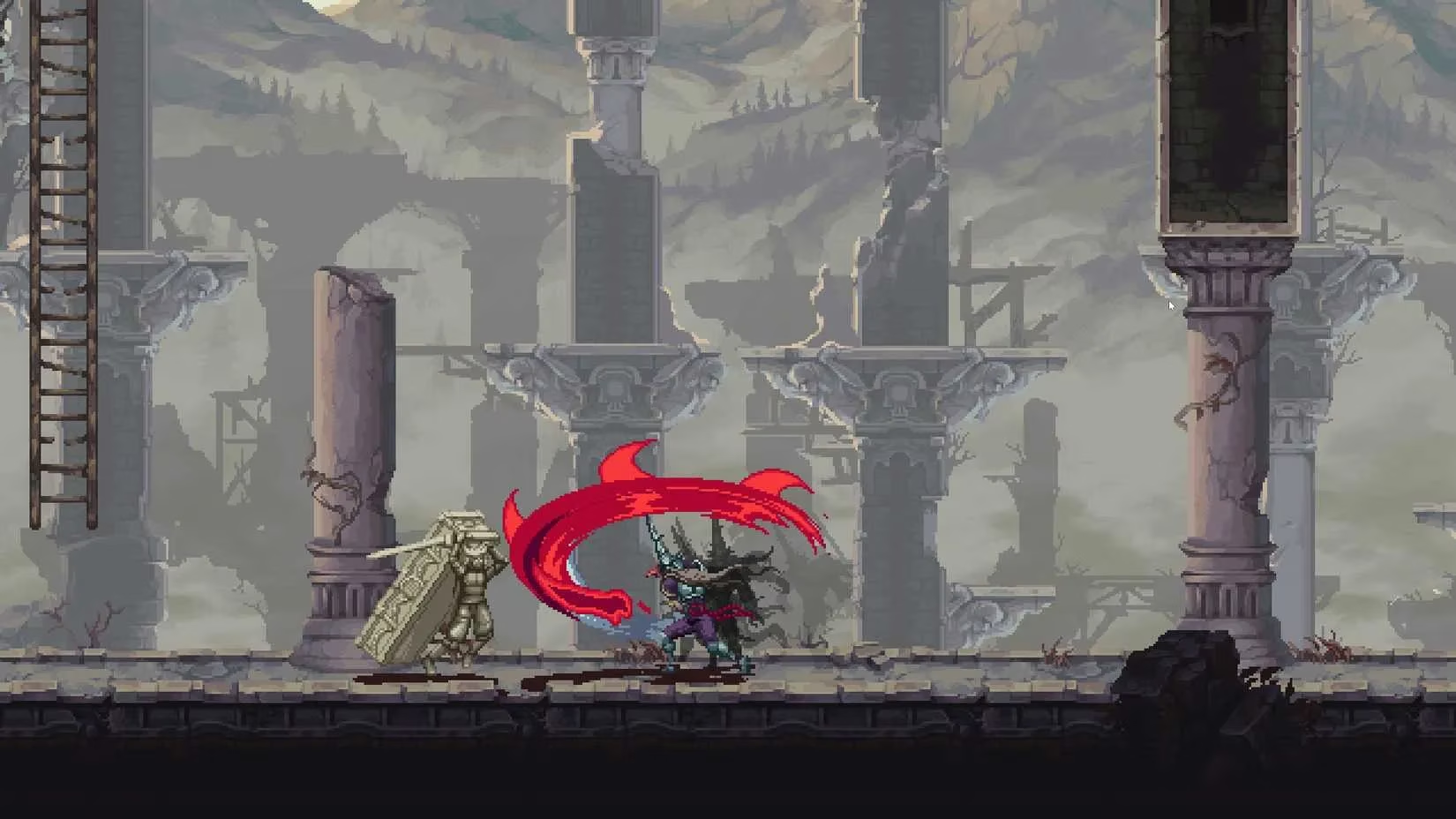
8. Blasphemous 2 – Upgrades Don't Appear by Themselves
Unlike many of its peers, Blasphemous 2 dared to make almost everything mandatory, yet exploring still felt indulgent. Our player found that its polished combat and tight level design meant that behind each daunting challenge lay a significant upgrade that made the grueling campaign more manageable. He soon realized that knowing the map's structure was itself a reward, especially when the final boss demanded every advantage he could scrounge. The grimly beautiful world begged to be fully uncovered, pixel by pixel, and that productive exploration became a meditative ritual.
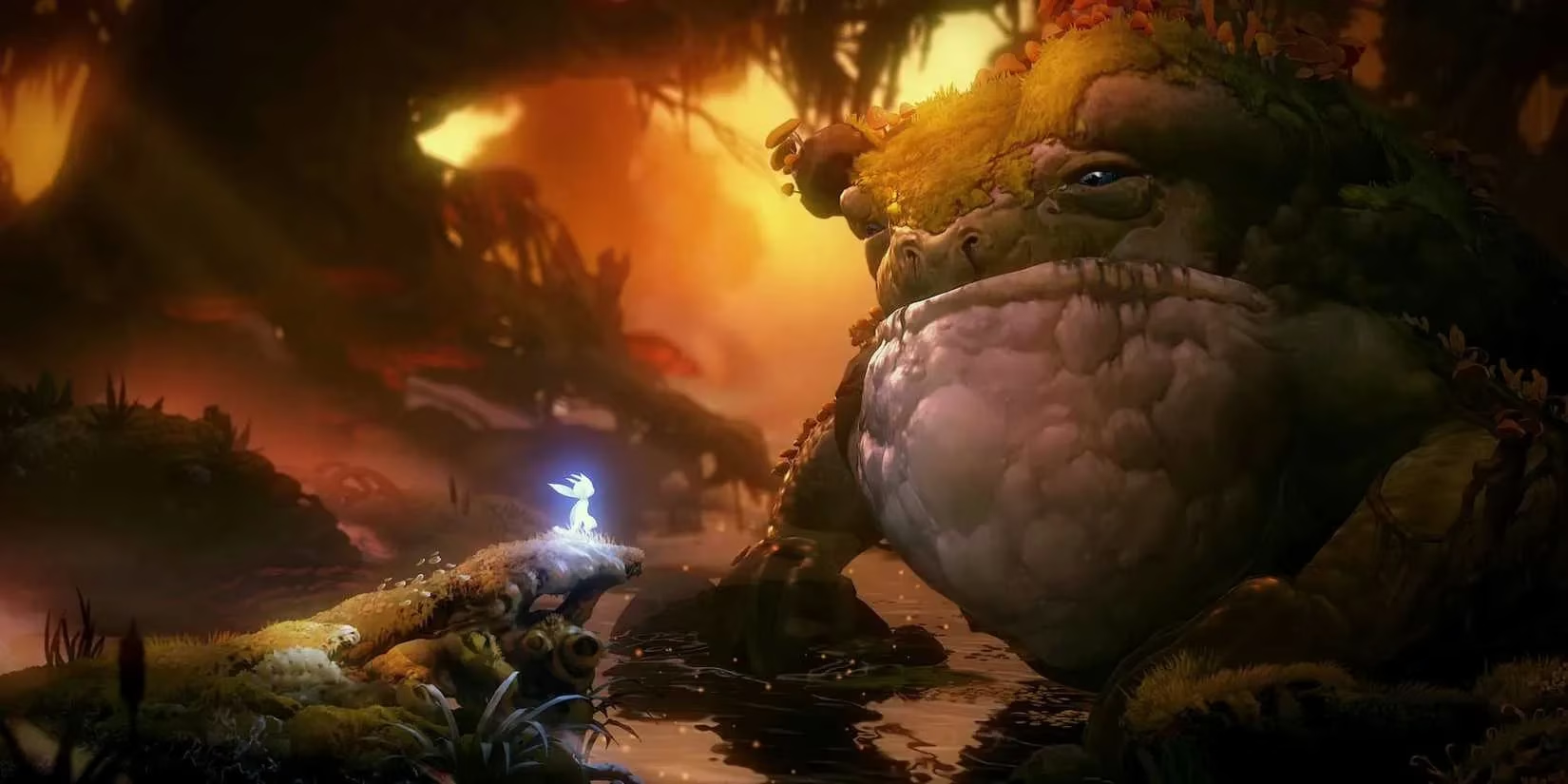
7. Ori and the Will of the Wisps – Between Quests and Secrets
He had always admired Ori's fluid movement, but the sequel elevated it with a quest system that gave him compelling reasons to linger beyond the main path. As he delivered soup to the Mokis and charted every hidden glade, he discovered that the world's lifeblood came from these small, character-driven errands. The secrets didn't always yield earth-shattering power, yet the emotional resonance of helping the forest's inhabitants made the journey transcendent. Could skipping these side quests ever do justice to the experience? He knew the answer was no.
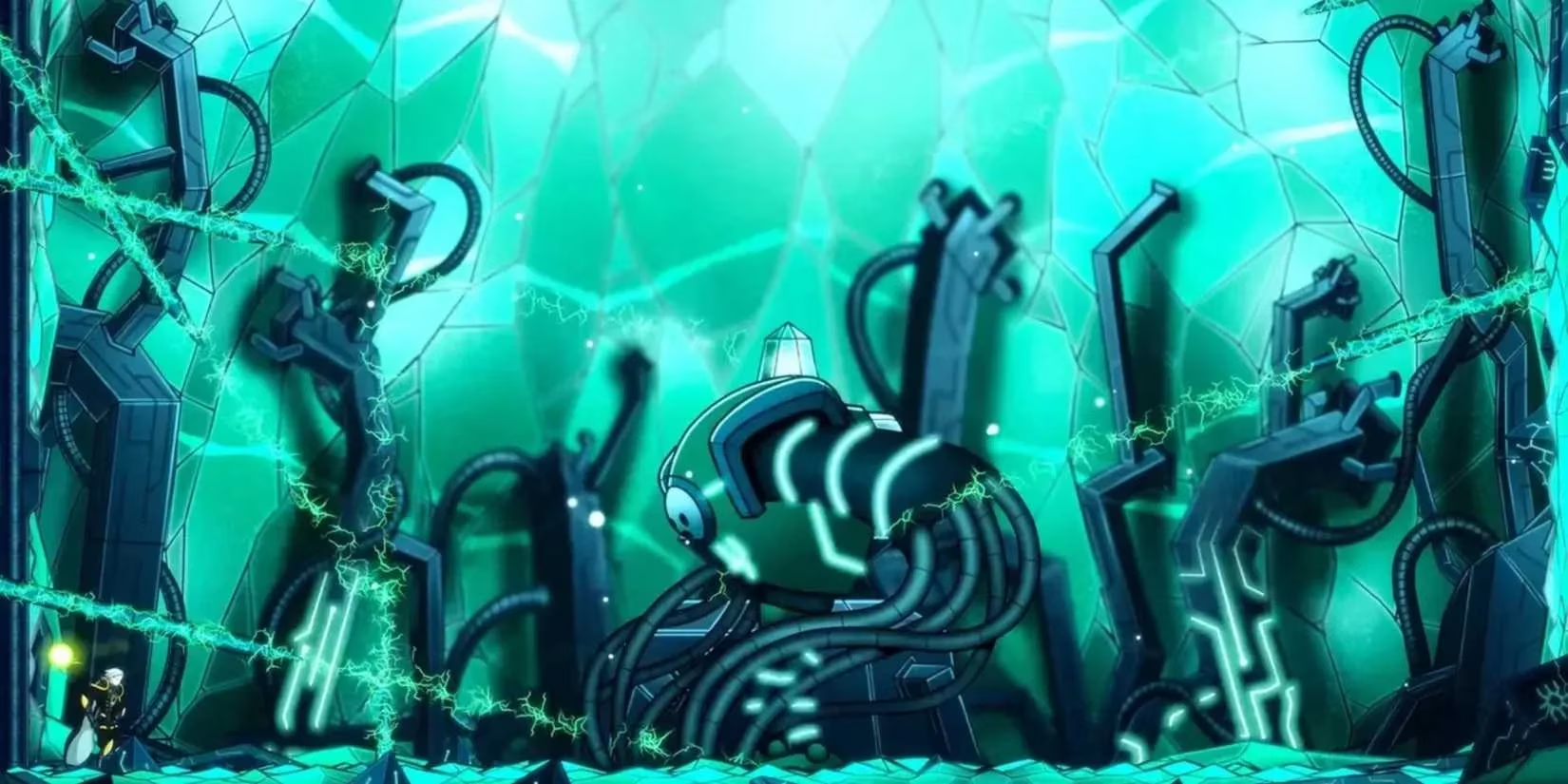
6. Aeterna Noctis – Boss Fight Overdose
Aeterna Noctis nearly broke him with its punishing difficulty, but for those who persevered, it became a pilgrimage of extremes. He traveled from an underground robotic city to a cosmos of flying islands and dragons, each new area housing a devastating boss fight. The rewards were relentless; every hidden corner seemed to conceal a life-shattering encounter that tested his limits. For a player who thrived on being pushed to the absolute brink, few alternatives could match this overdose of adrenaline and discovery.
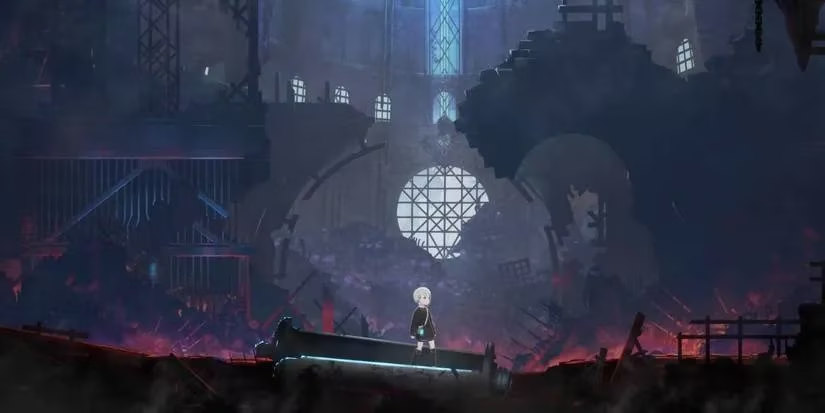
5. Ender Magnolia: Bloom in the Mist – In Search of True Closure
The protagonist Lilac's journey captivated him with its haunting aesthetics, but its masterstroke was tying the true ending to deep exploration. He could have settled for the standard finale and moved on, but he felt a magnetic pull to uncover every concealed boss and realm. When he finally triggered the true conclusion, the emotional payoff eclipsed everything that came before. It was a glorious reminder that some stories only unveil their full beauty when you earn the right to see them.
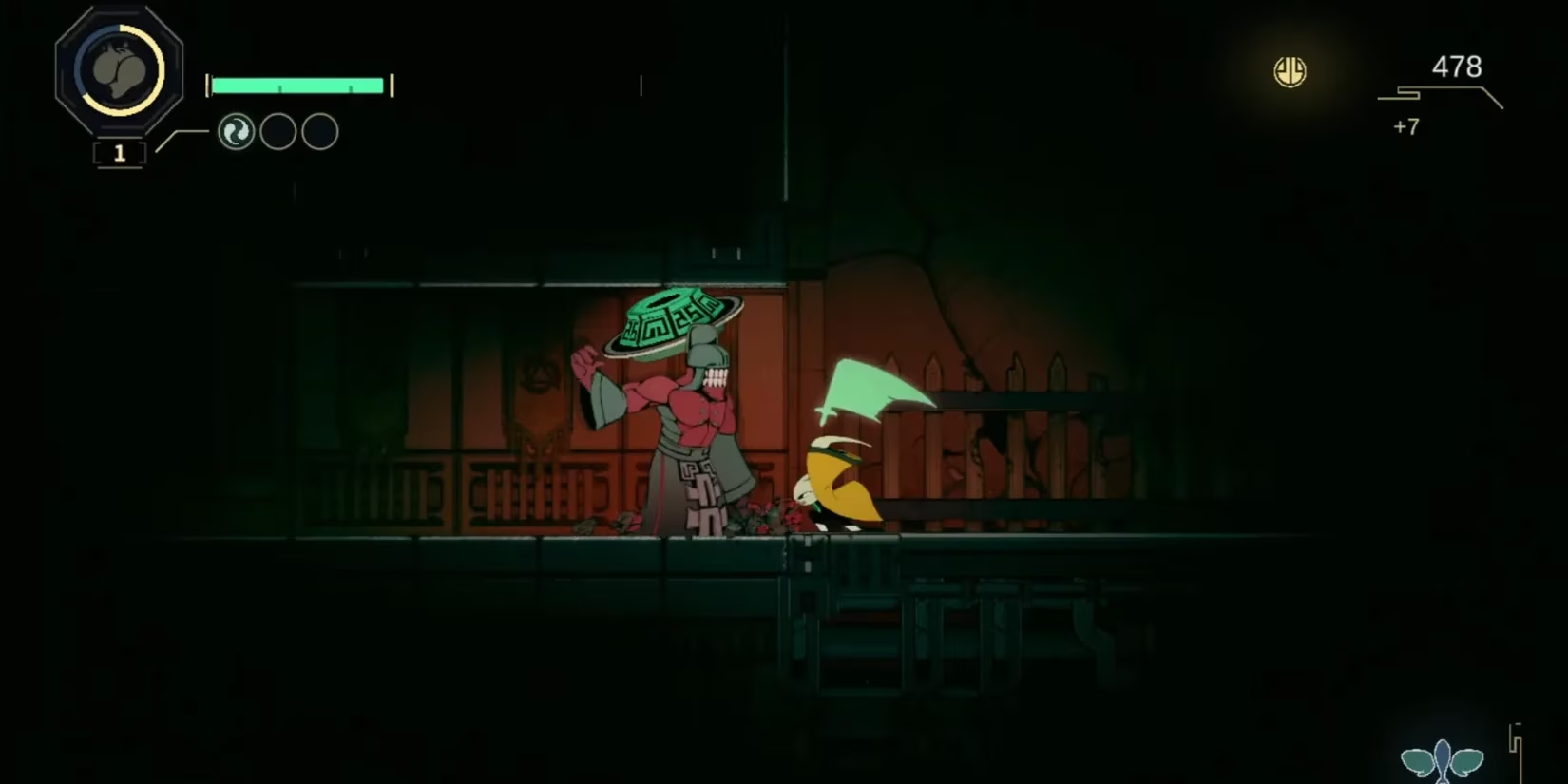
4. Nine Sols – Point of No Return
Nine Sols boasted combat that felt like a dance of precision and rhythm, but its heart lay in the narrative woven through exploration. He learned that to truly understand the story, he had to speak to every NPC, uncover every piece of lore, and defeat every Sol. The side missions delivered by allies led him to a secret ending and what he later called the best boss fight in the genre's history. With a cast of characters that left a lasting imprint, Nine Sols proved that exploration is the most powerful narrative tool.
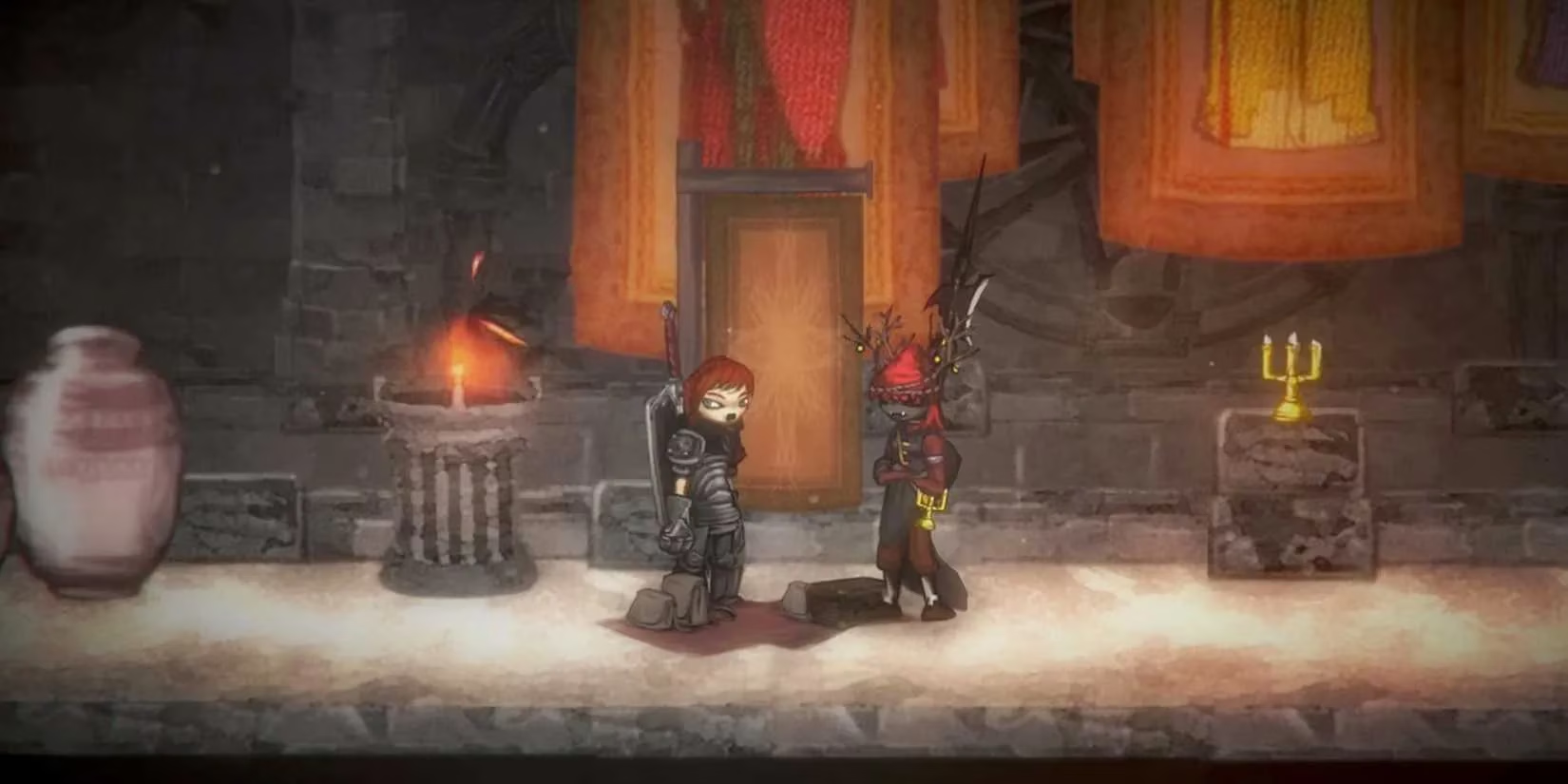
3. Salt and Sanctuary – The Light is Only for the Curious
When Soulslike and Metroidvania sensibilities collided, Salt and Sanctuary emerged as a marvel of overlapping satisfaction. He recalled stumbling upon an entire area hidden behind a kilometer-long fall he'd deemed impossible, or unearthing a game-breaking weapon in a pitch-black cavern. The game had zero filler; every screen offered something meaningful—a new Creed, a burning warrior, or a clever shortcut. For a curious soul, the island never ceased to reward relentless scrutiny with awe.

2. Animal Well – The Core of Everything
In Animal Well, exploration wasn't just a feature; it was the entire philosophy. No explicit instructions, no mandatory objectives—only strangeness that begged to be unraveled. He discovered by accident that he could ride his own thrown disc, or that a seemingly meaningless key from the opening minutes unlocked a secret 15 hours later. These moments of pure, unaided revelation turned him into a kid again, filled with wonder. Could a game with no combat feel more rewarding than any boss-battling epic? Absolutely, it did.
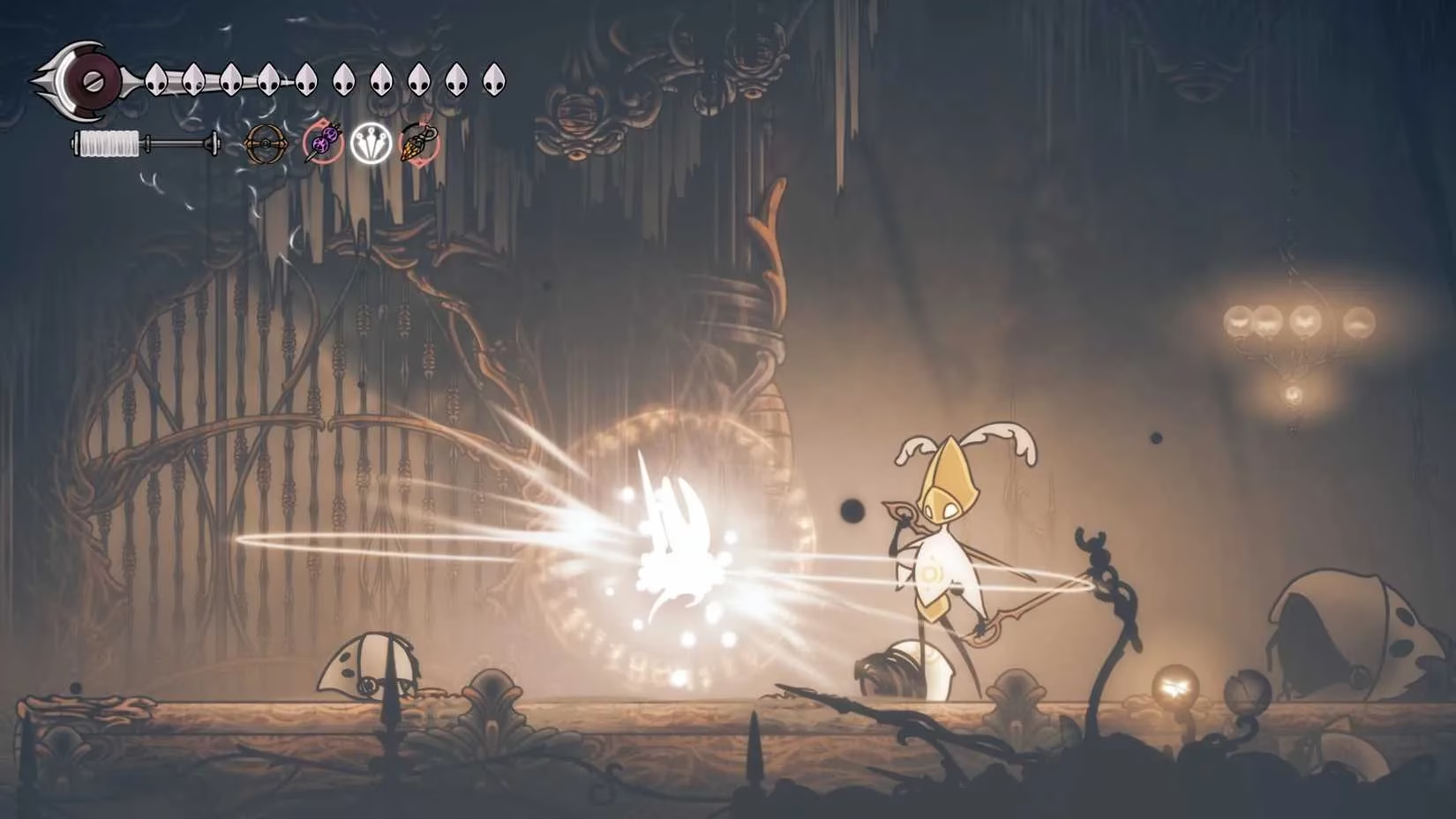
1. Hollow Knight: Silksong – Unimaginable Dimensions
Finally, he arrived at Hollow Knight: Silksong, which felt less like a game and more like an entire universe compressed into a kingdom. Even after three weeks of near-daily play, he was stunned to see his completion rate at only 78%. Hornet's graceful movement, the labyrinthine interconnectivity, and the never-ending stream of hidden bosses and areas shattered his expectations repeatedly. Every session reshuffled his list of favorite bosses and zones, a testament to its horizontal mastery. He realized that Silksong wasn't just the most rewarding Metroidvania he'd ever explored; it was a once-in-a-lifetime odyssey where the only limit was curiosity itself. In 2026, it stood unchallenged as the pinnacle of exploration-driven design.
Leave a Comment
Comments