As someone who refreshed the Hollow Knight: Silksong page roughly 14,000 times between 2019 and 2025, I can tell you the launch felt like a fever dream. The game sold bucketloads, reviewed brilliantly, and somehow became both an indie triumph and a lesson factory for everyone else. Team Cherry didn't just release a sequel; they dropped a case study in how to build hype, price a game, and occasionally drive players up a wall. So let's dig into what other developers should steal—and what they should absolutely avoid.
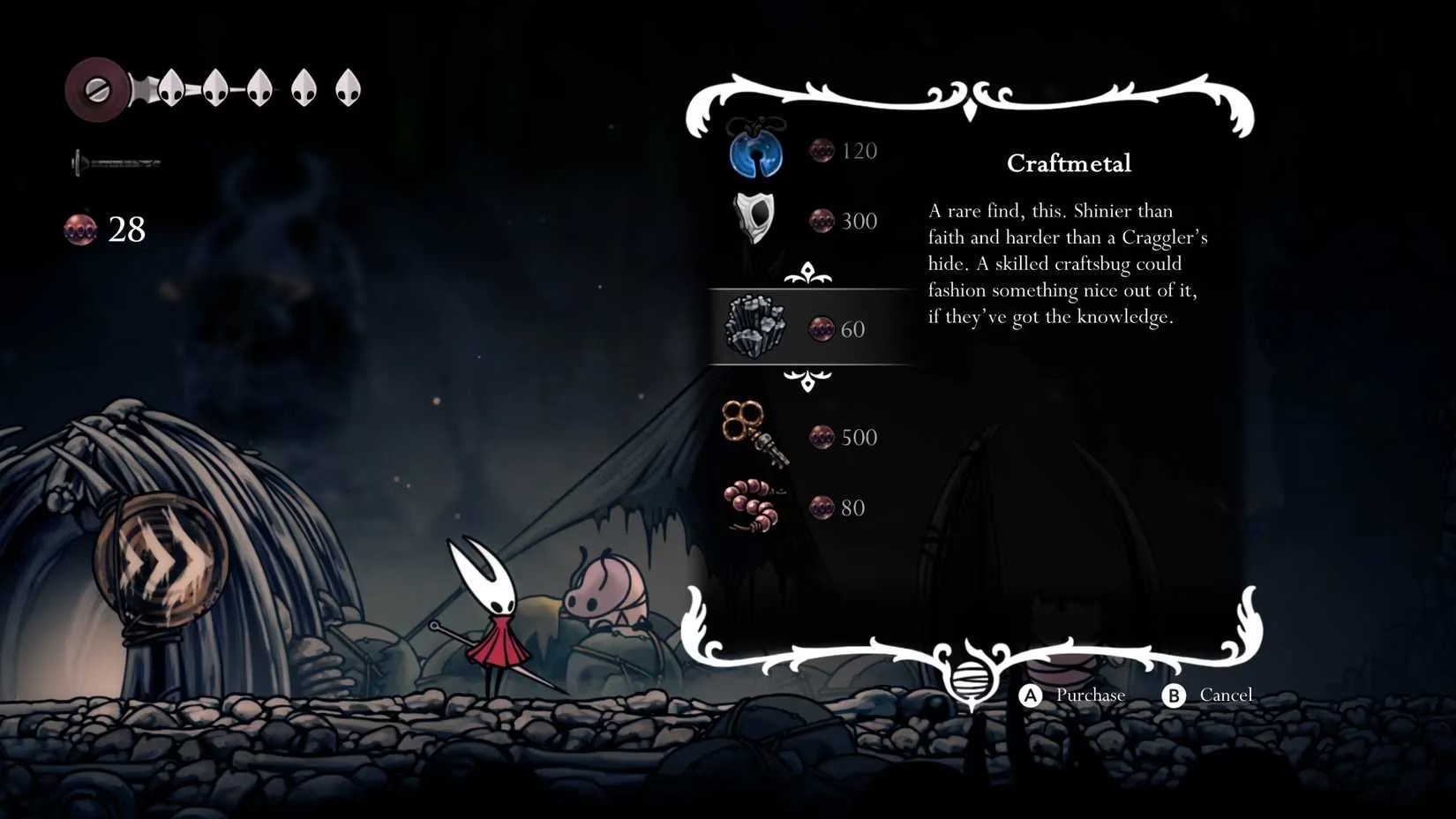
🛒 Lesson 1: The Great Storefront Meltdown Was a Preorder Wake-Up Call
The most ironic part? After waiting years, nobody could actually buy the thing at launch. Steam, Nintendo's eShop, Microsoft's Xbox store, and Sony's PSN all buckled under the traffic. Even Game Pass subscribers, who were supposed to get Silksong essentially free, found themselves stuck in a waiting room. The obvious lesson is that digital preorders and preloads are not just marketing fluff—they are load-balancing tools. No storefront is invincible, not even Steam. If Team Cherry's launch taught us anything, it's that a successful game needs a smooth onboarding path, not a digital stampede.
🤐 Lesson 2: Silence Can Be the Best Hype Machine
Team Cherry kept Silksong in the dark, releasing only a sparse trailer or two after 2019. That restraint was genius. In an era of spoiler-filled trailers and 30-second clips that reveal the final boss, Silksong let curiosity do the heavy lifting. Movie studios should take notes—Weapons did the same thing, showing just enough to hook people without giving away the whole plot. The lesson: you don't need five cutting-edge trailers to generate hype. You need one sharp hook and a lot of silence.
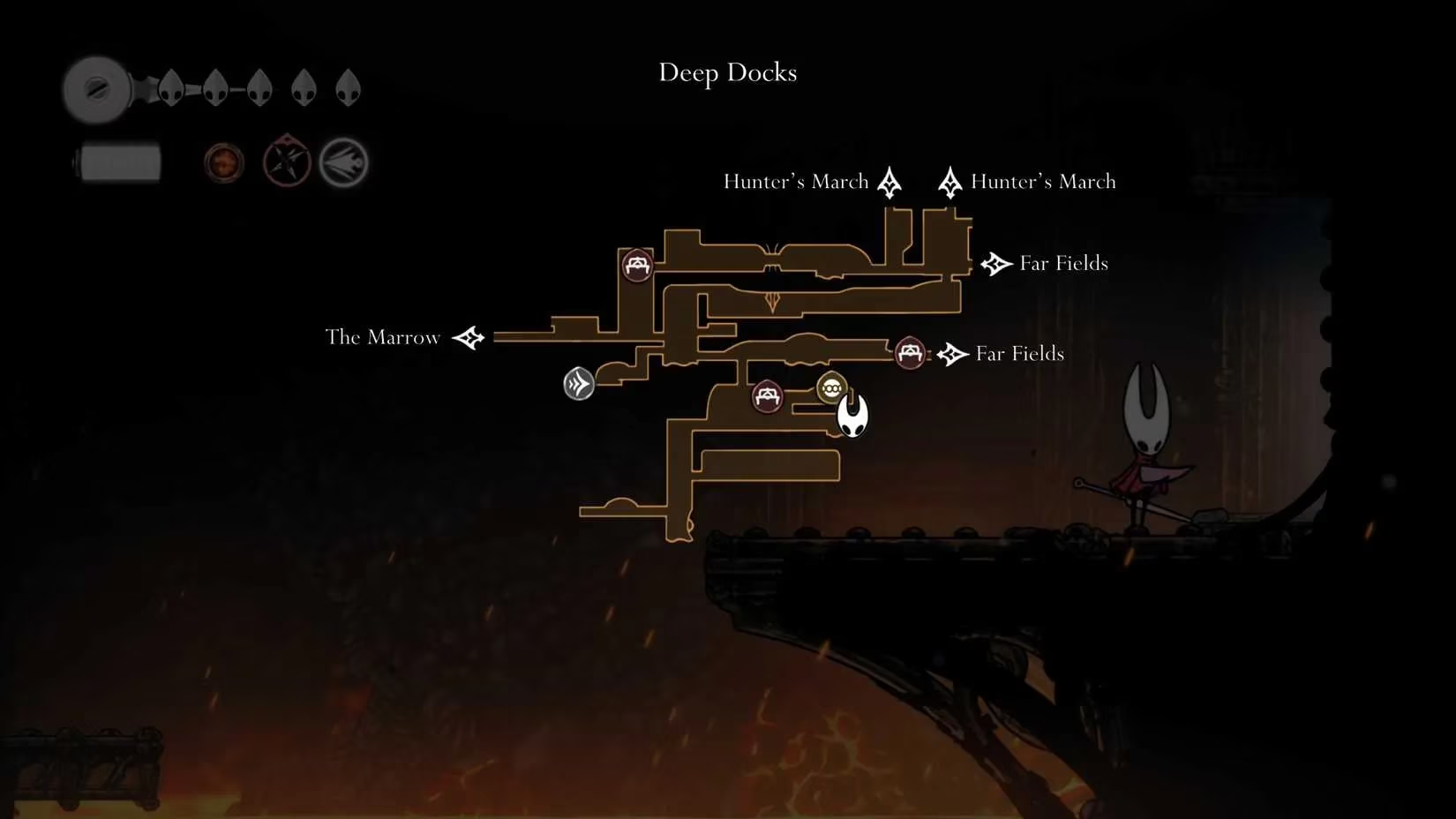
💸 Lesson 3: The $20 Miracle
Ah, the $20 price tag. I still remember the internet collectively losing its mind because the game was too cheap. Players actually wanted to pay more. Pirates—actual pirates—were out there telling people to buy the game instead. When your price point is so fair that even the high seas wave a white flag, you have won. This proves lower prices can sometimes move more copies and build enormous goodwill. Would Nintendo ever launch a Donkey Kong Bananza at $20? Probably not. But an AAA studio experimenting with a value price at launch? That would be fascinating.
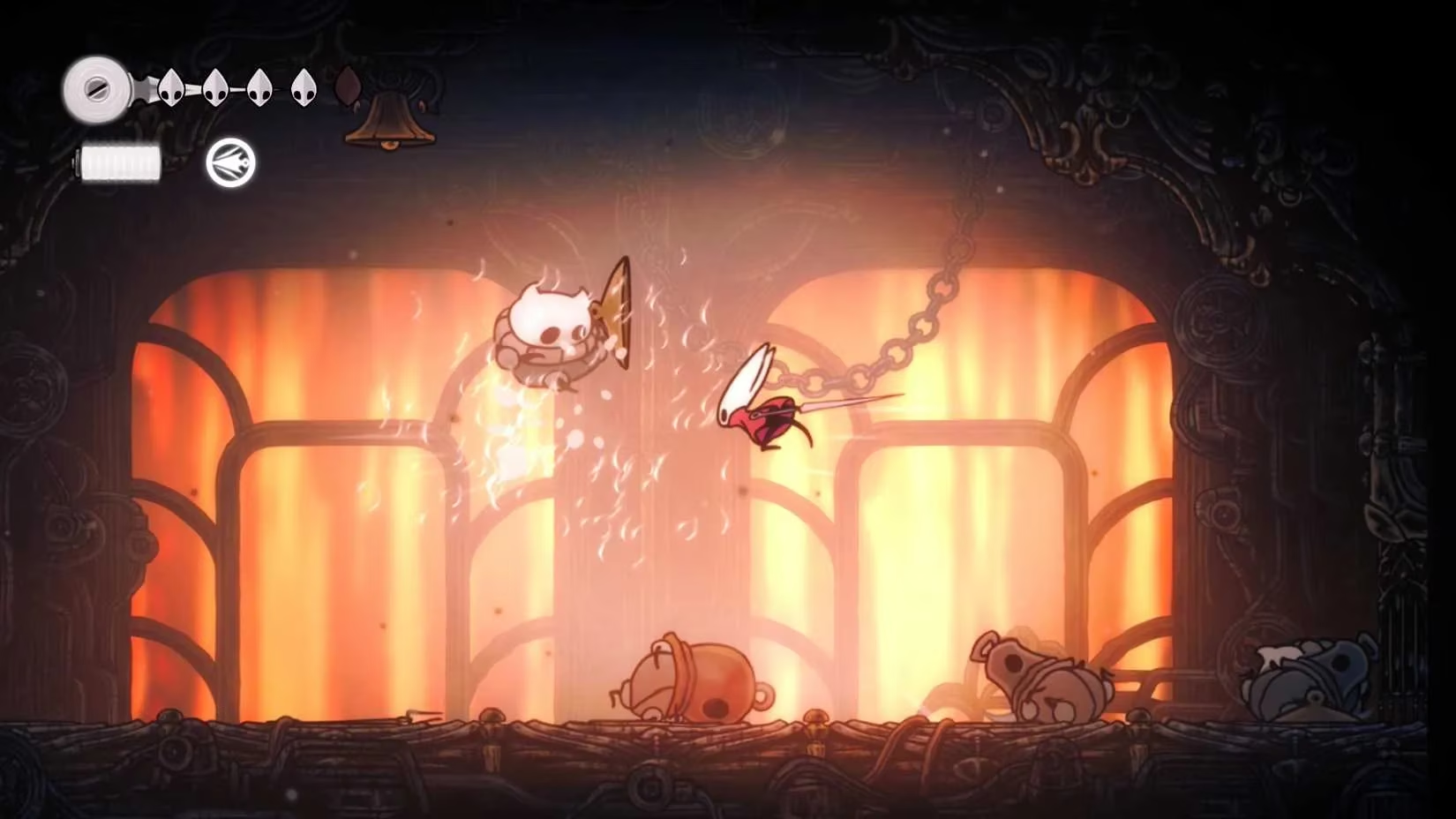
⚔️ Lesson 4: Difficulty Is a Double-Edged Nail
But Silksong is not a flawless angel. The difficulty discourse got loud. Some enemies hit for two points of damage instead of one, and the boss runbacks can make you feel like you're commuting across the entire map just to die again. Soulslike fans expect a challenge, but there's a fine line between 'tough but fair' and 'sadistic travel simulator.' A little more balance would have saved a lot of controllers—and maybe a few friendships.
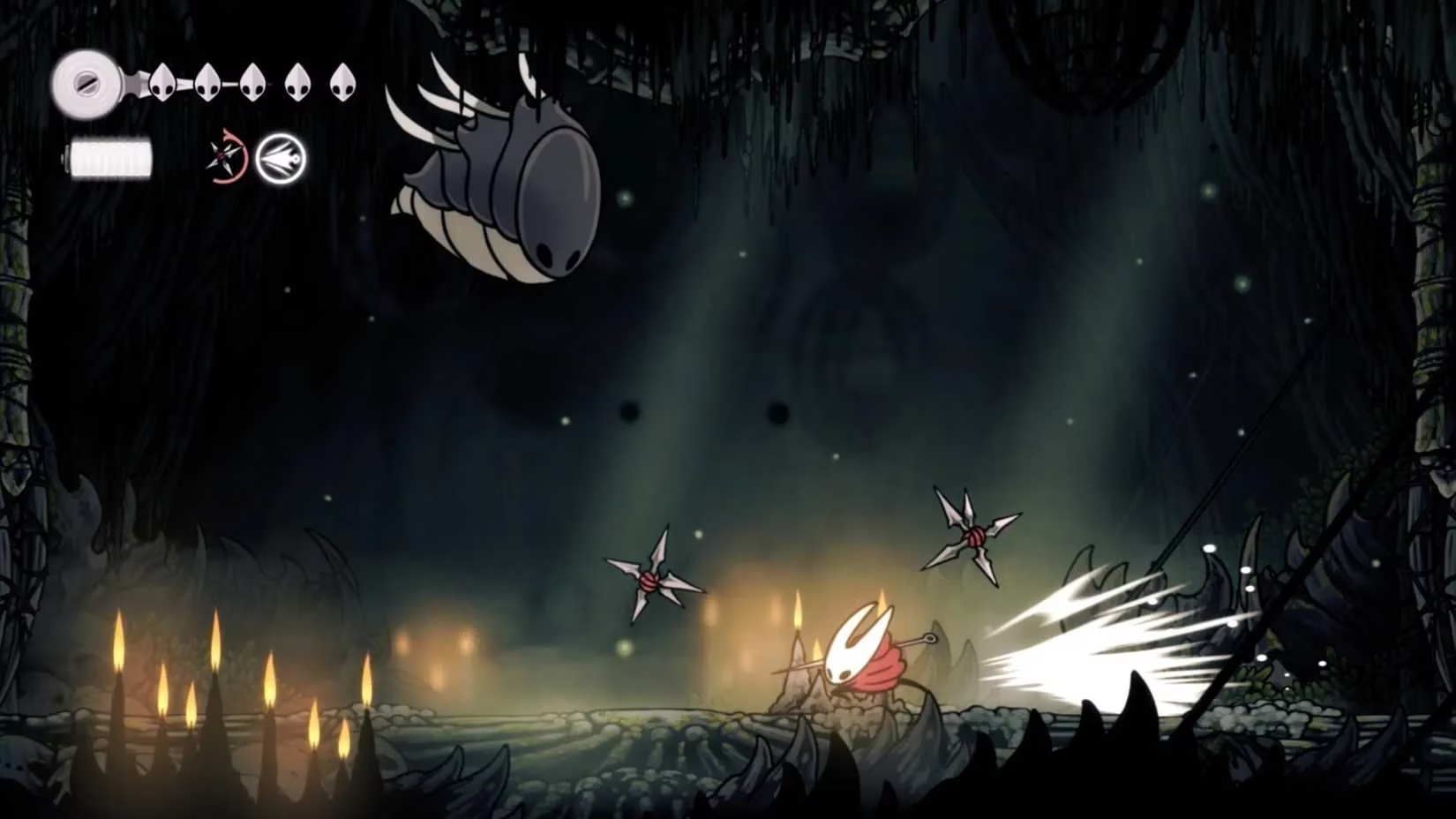
🌀 Lesson 5: That Downward Strike Hurt Everyone
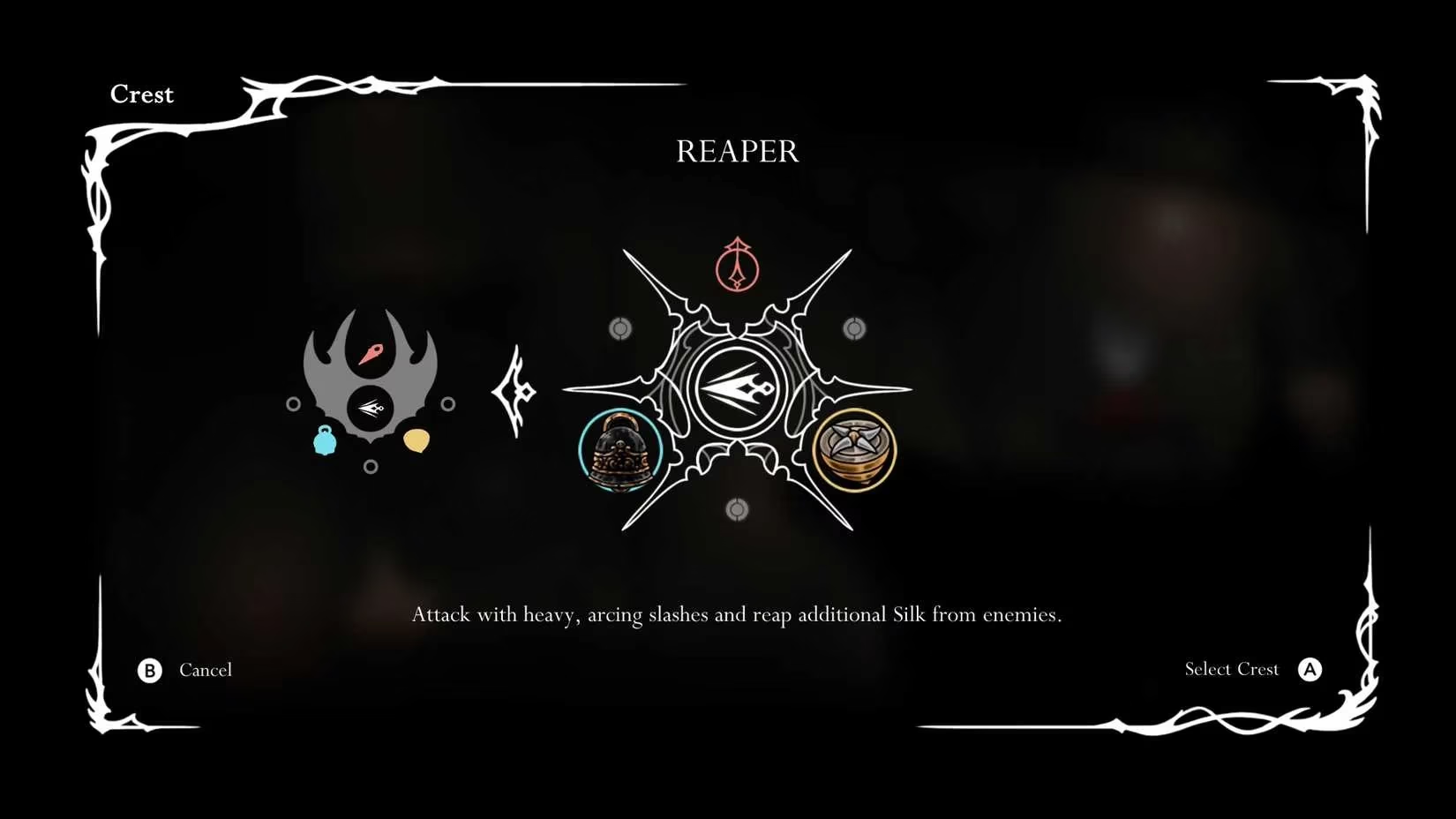
Then there's that downward jump attack. You know the one: it strikes diagonally, which sounds cool until you're trying to pogo over a pit and end up in a different zip code. The game does offer fixes through Crests like Reaper, but those options are so well hidden that many players had no idea they existed. Hiding control tweaks and accessibility features is a cardinal sin. Let players remap, adjust, and make the downward strike actually go down. Please.
🗺️ Lesson 6: Bigger Isn't Always Better in a Metroidvania
Act 2 deserves a special sigh. Just when I thought I was making progress, I realized the back half of Silksong is nearly double the size of the first. In a Metroidvania, that means more backtracking, more mental notes, more 'wait, where was that locked door?' As much as I love getting my money's worth, a map that big can become exhausting. Team Cherry wanted maximum value for $20, but sometimes less is more—especially when you're juggling ability gates and secret walls.
⏳ The Biggest Lesson: Patience Is Still a Superpower
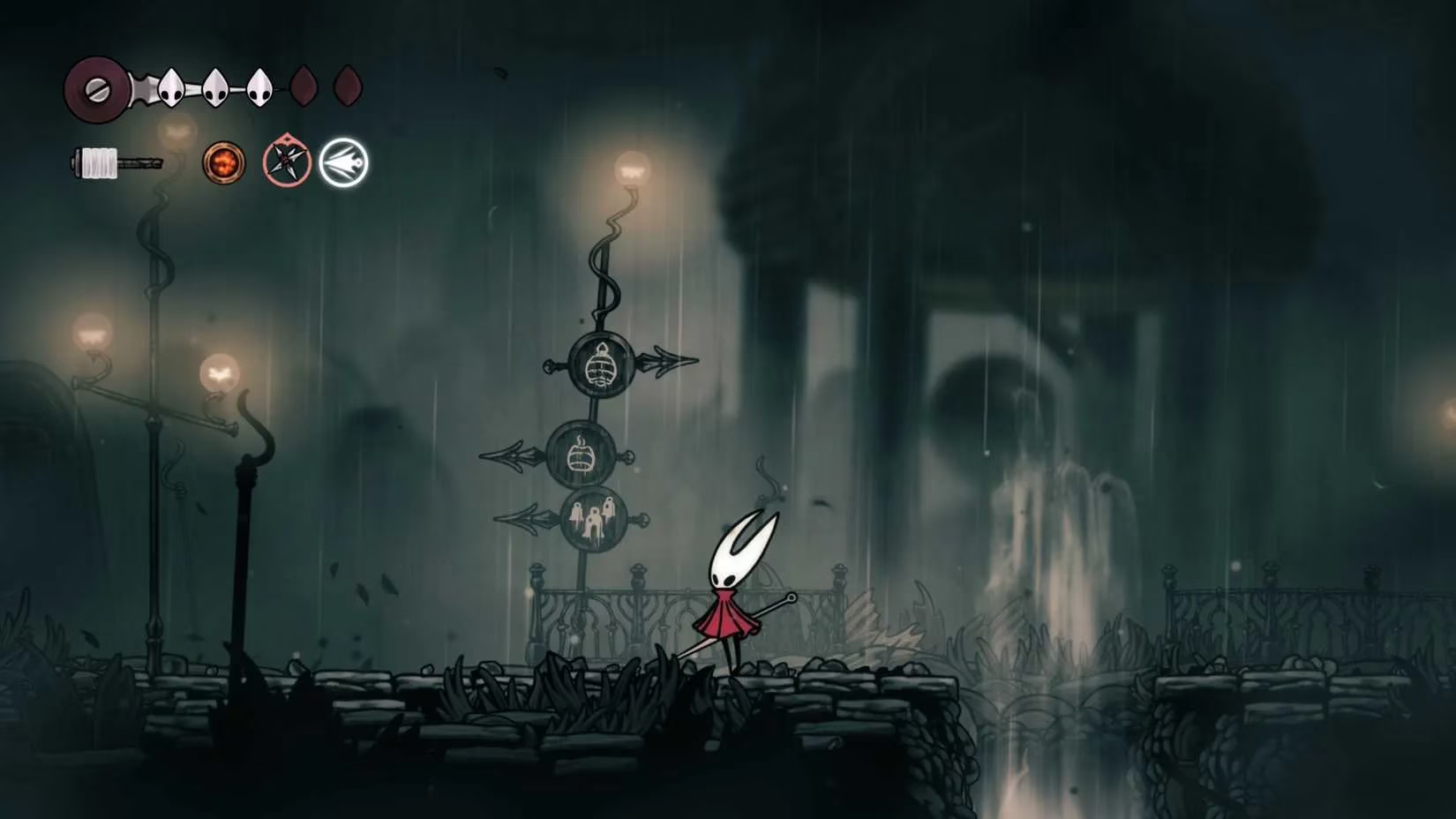
For me, the biggest lesson for developers is patience. Team Cherry took their time, avoided crunch-bait release windows, and kept fans hooked with very little. A great reveal trailer and a solid demo can keep a community engaged for years. It also helps when your predecessor, Hollow Knight, was already an indie success. That established fanbase gave Silksong a huge runway. For teams that can afford the long game, that slow-cooker approach can pay off massively—assuming you don't break every storefront at launch.
🧠 Quick Cheat Sheet for Developers
| Lesson | What Worked | What Needs Work |
|---|---|---|
| Preorders | Preloading prevented some launch chaos | Storefront infrastructure still collapsed |
| Marketing | Mystery and restraint built massive anticipation | Most studios reveal too much too early |
| Pricing | $20 created goodwill and boosted sales | Risk of undervaluing huge games long term |
| Difficulty | Hardcore combat appealed to Soulslike fans | Runbacks and double-damage enemies felt unfair |
| Controls | Crests allowed customization | Hidden options and diagonal downward strike frustrated players |
| Scope | Ambitious Metroidvania scale | Act 2 backtracking became overwhelming |
At the end of the day, Hollow Knight: Silksong wasn't perfect, but it was a brilliant reminder that a small team with a clear vision and plenty of time can still dominate an industry full of bloated budgets and noisy marketing. Just please, Team Cherry, next time let me download the game without watching a storefront cry.
Leave a Comment
Comments