As a seasoned game journalist and avid player, I've been eagerly awaiting Hollow Knight: Silksong since its announcement, and now in 2025, it's finally here, delivering an experience that surpasses its predecessor in every way. From the moment I booted up the game, I felt a shift in tone—Hornet's agility transforms exploration into a thrilling dance of speed and precision, making Pharloom feel alive and dangerous. This isn't just a sequel; it's a bold reimagining that builds on Hollow Knight's legacy while introducing fresh mechanics like quests, crest-based builds, and instant healing, all wrapped in a world twice as vast. The wait was worth it, and I'm here to share how Silksong elevates the genre with its innovative design and immersive depth. 😊
Hornet's Agile Movement Style
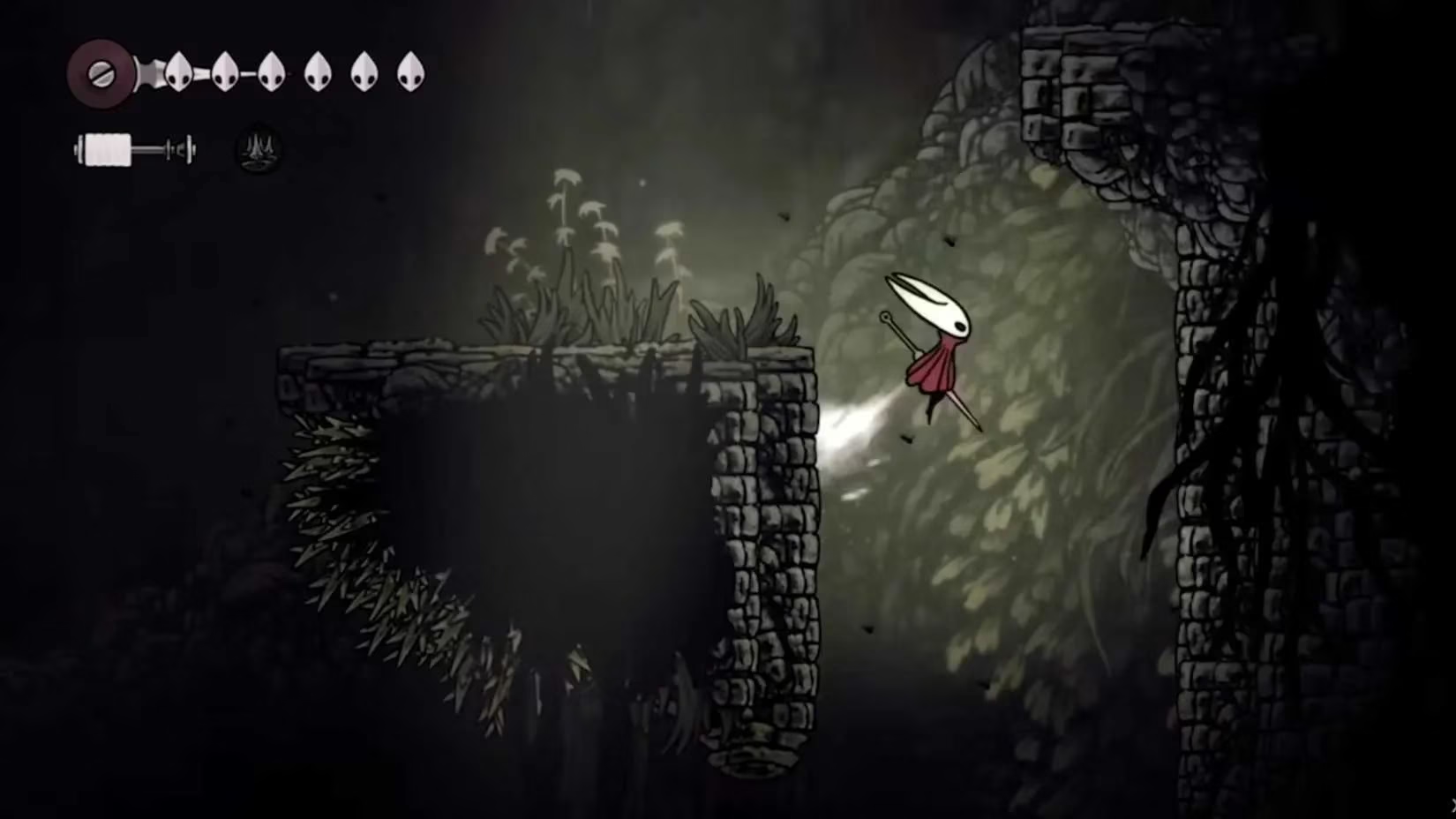
Right from the start, I noticed Hornet doesn't just move—she flows. She leaps higher, dashes faster, and uses her needle to swing across gaps or zip toward enemies with acrobatic flair. Pharloom, the new setting, is taller and more layered than Hallownest, designed to test your reflexes constantly. Unlike the Knight's methodical pace, Silksong keeps you in perpetual motion; you can vault over foes, spring off walls, and chain moves seamlessly. This speed isn't just fun—it's essential for survival, as enemies are quicker and environments demand split-second decisions. Hornet's dashes and zips offer more dodging options, making combat feel fluid and exhilarating.
New Side Quest System
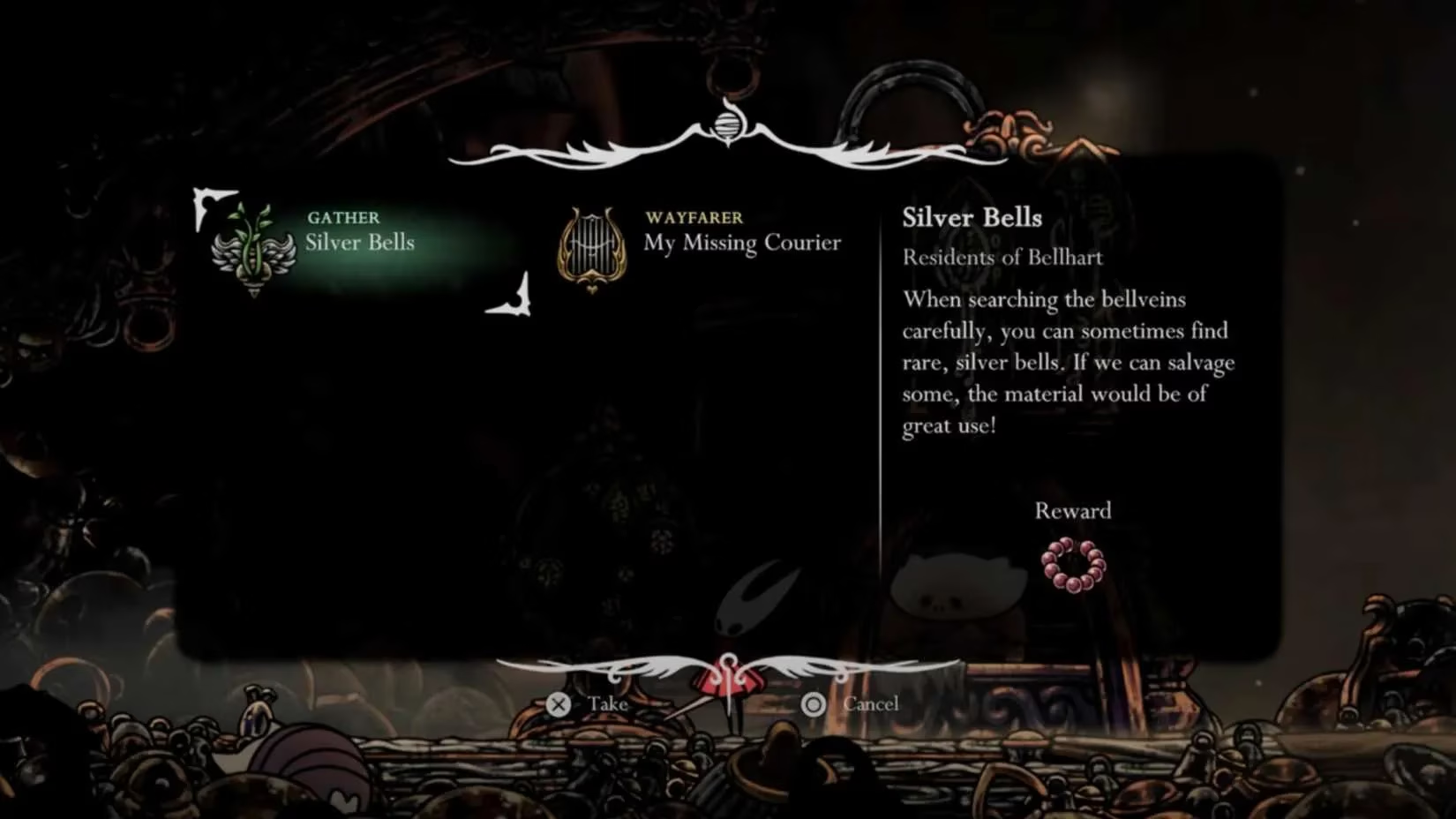
Silksong introduces a proper quest system, something I found refreshing after Hollow Knight's reliance on pure exploration. Now, villagers and travelers give you tasks that fall into three clear categories:
-
Gather Quests: Find specific items like rare shards or herbs.
-
Hunt Quests: Defeat dangerous creatures or mini-bosses.
-
Wayfarer Quests: Explore new areas or revisit old ones for hidden secrets.
Every quest is logged in a journal, so I always knew what to do next, reducing the aimless wandering of the first game. For instance, after passing through a cavern early on, I returned later for a gather quest, discovering new layers I'd missed. This system encourages strategic backtracking and adds replayability.
Crests Replace Charms for Custom Builds
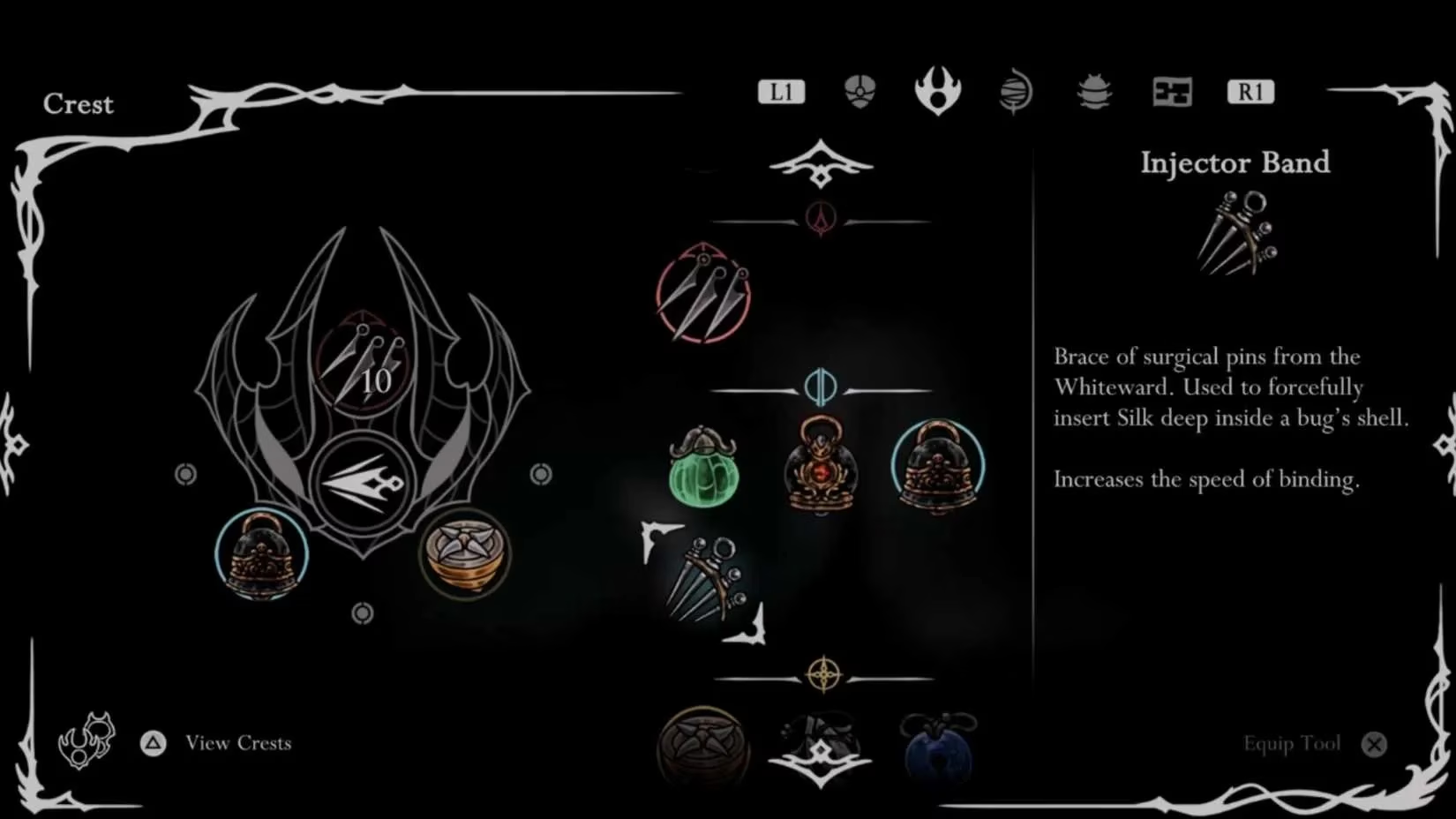
Gone are the charms; instead, Silksong uses crests and tools for deep customization. Each crest has colored slots (red, blue, yellow), and you slot in tools that match—red for offense, blue for survival, yellow for utility. This forces you to think strategically about your loadout based on the situation. For example, I'd equip a red-heavy crest with projectile tools for boss fights, but switch to a balanced one with healing boosts for exploration. Tools range from combat enhancers like splash damage to exploration aids like fire resistance, making every choice impactful. Here's a quick comparison of crest types:
| Crest Type | Focus | Best For |
|---|---|---|
| Offensive | Red slots | Boss battles and aggressive play |
| Defensive | Blue slots | Surviving tough environments |
| Balanced | Mix of colors | All-around versatility |
This system adds layers to progression, as you collect and upgrade tools throughout the game. 🛠️
Faster But Riskier Healing
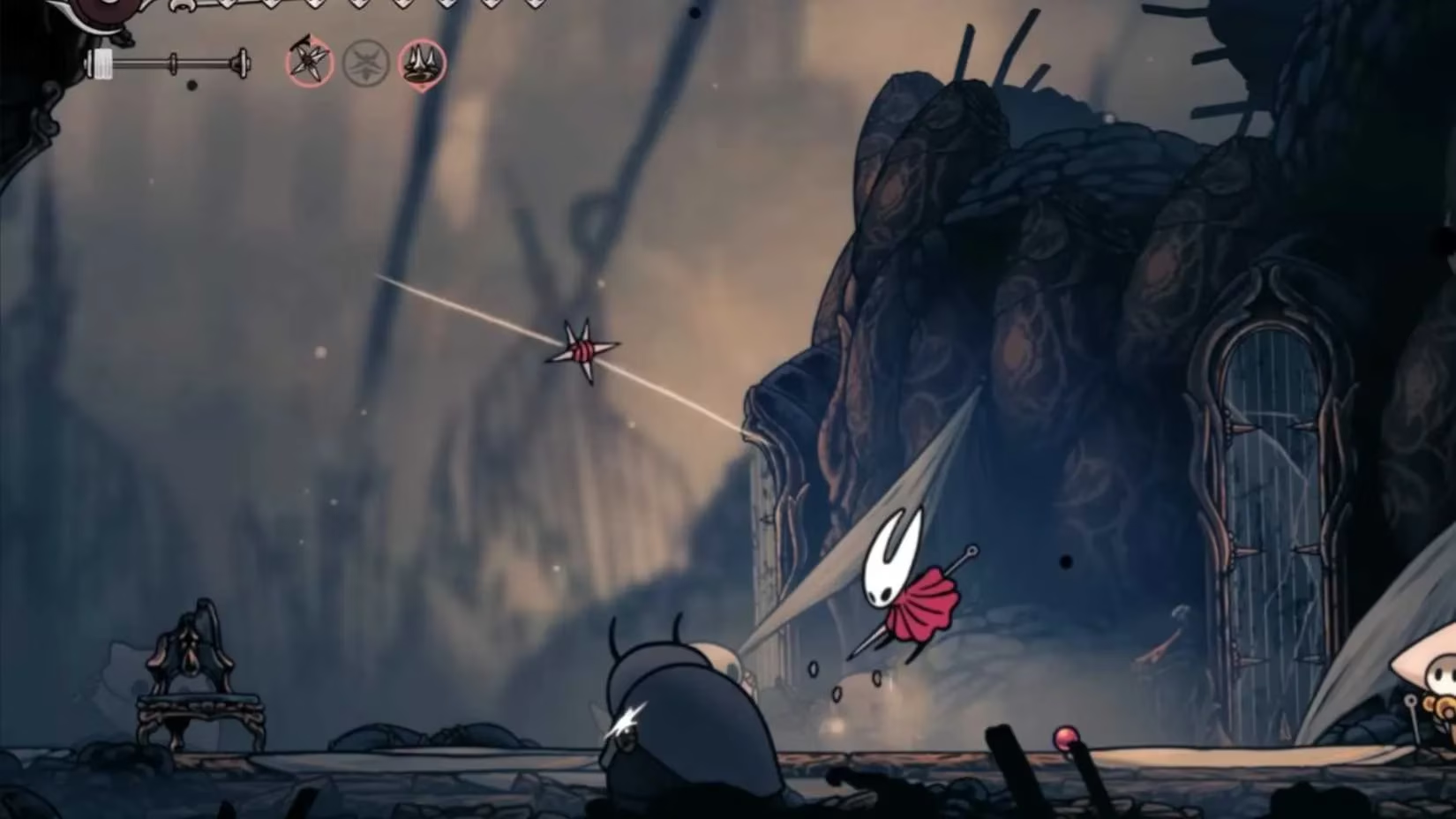
Healing in Silksong is a game-changer—it's instant but perilous. Hornet spends her entire Silk bar in a quick motion to regain health, even while jumping or dodging. I loved how this rewards aggression; you build Silk by attacking, so staying offensive is key to survival. However, if an enemy hits you mid-heal, you lose the Silk, adding tension. This contrasts with Hollow Knight's slow, stationary healing, pushing me to balance Silk use between healing and abilities. It's high-risk, high-reward, and perfectly suits Hornet's swift style.
Crafting with Shell Shards and Rosaries
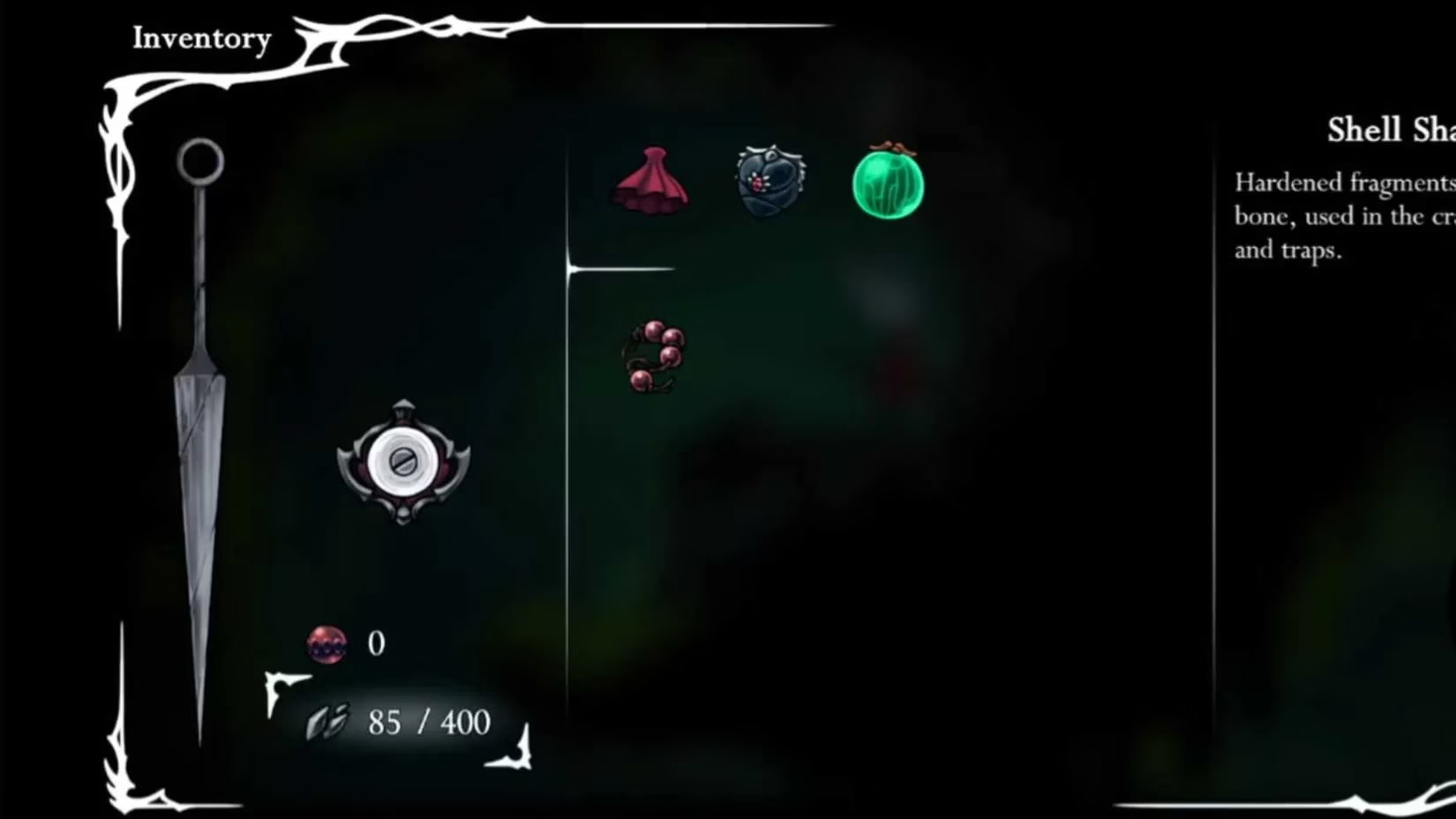
Crafting is a brilliant addition that makes resource collection meaningful. You use Shell Shards for repairing tools and Rosaries as currency for creating new ones. Every collectible has value—I'd hoard shards to fix my favorite needle or spend Rosaries on game-changing abilities. This system encourages thorough exploration, as even mundane items can unlock upgrades. For instance, after gathering enough Rosaries, I crafted a tool that boosted my movement speed, transforming how I navigated Pharloom. It's a smart way to integrate economy into the metroidvania loop.
A Larger World with More Benches
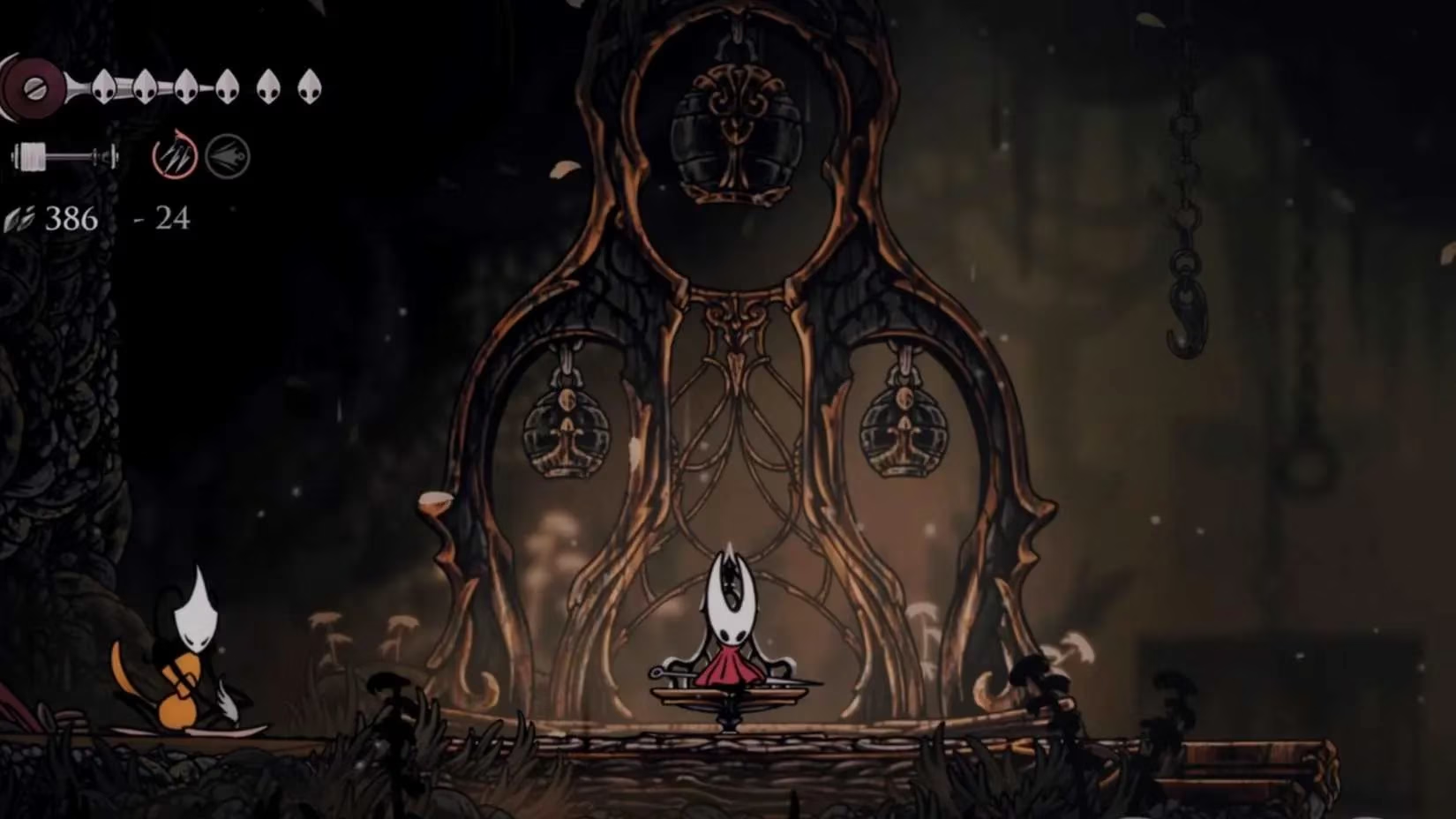
Pharloom is massive, with about 100 benches compared to Hollow Knight's 50-plus, making respawns quicker and exploration less punishing. I appreciated this design choice—dying no longer meant long treks back, allowing me to delve deeper into unknown areas without fear. The world feels grander and more interconnected, with benches strategically placed to support the game's faster pace. This, combined with Hornet's agility, creates a smoother, more enjoyable flow that respects your time. 🗺️
Over 200 New Enemies and Bosses
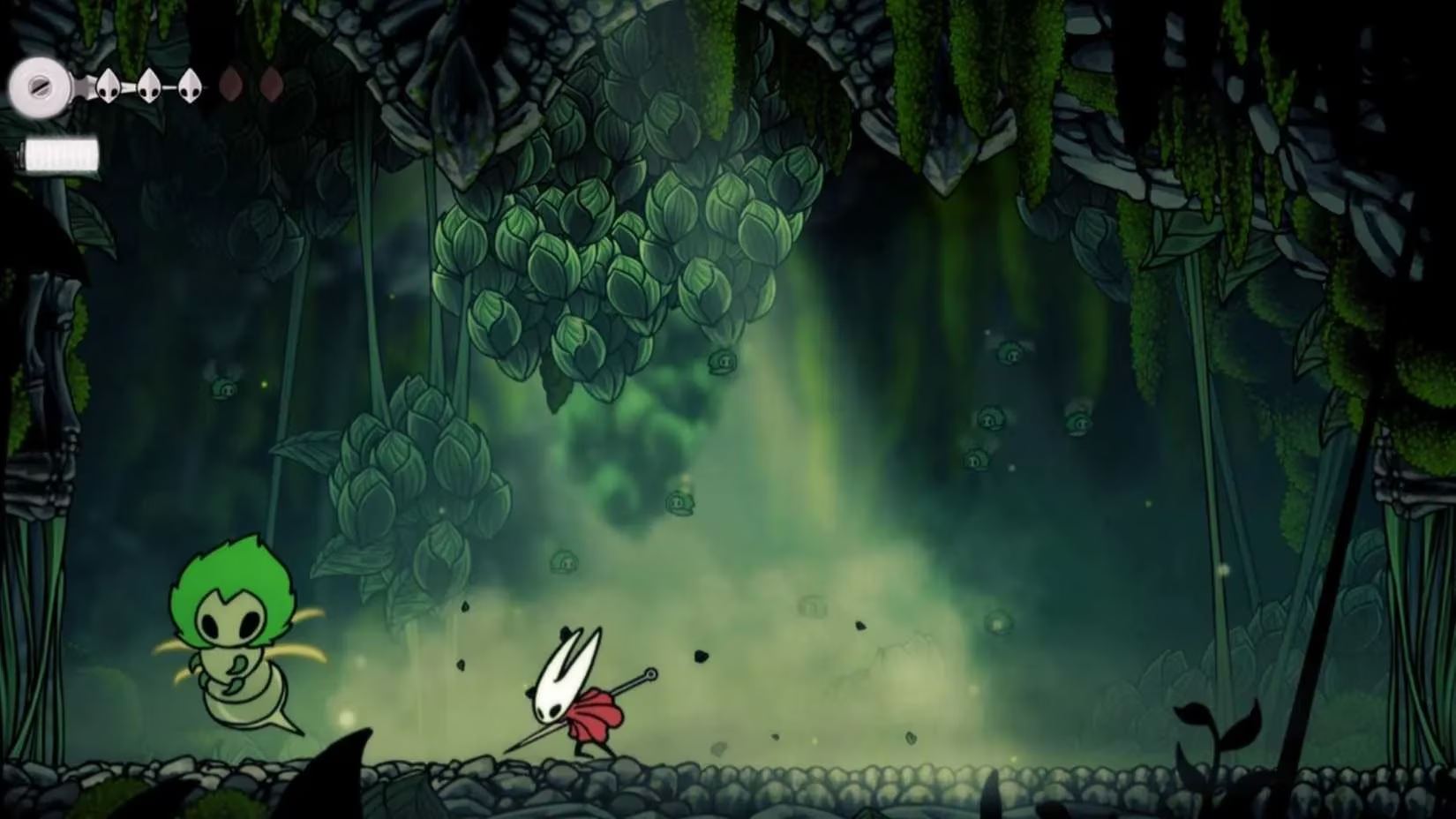
Combat is elevated with over 200 new enemies and 40-plus bosses, each requiring unique strategies. From the Moss Mother's area-control attacks to swarming minions, every region of Pharloom tests your skills. Boss fights are especially diverse, featuring arenas with dynamic mechanics that demand mastery of movement and builds. The soundtrack amplifies this with 50 tracks—double the original—ranging from haunting melodies in dark caverns to pulse-pounding beats during battles. This variety ensures combat never feels stale and keeps the challenge fresh.
In conclusion, Hollow Knight: Silksong isn't just a worthy successor; it's a masterpiece that redefines the metroidvania genre. With its agile movement, quest-driven exploration, and deep customization, it offers a richer, more dynamic experience than ever before. As I played through Pharloom, I was constantly amazed by how every element—from the risk-reward healing to the expansive world—comes together to create an unforgettable adventure. If you loved the first game, Silksong will blow you away. 🎮
Leave a Comment
Comments