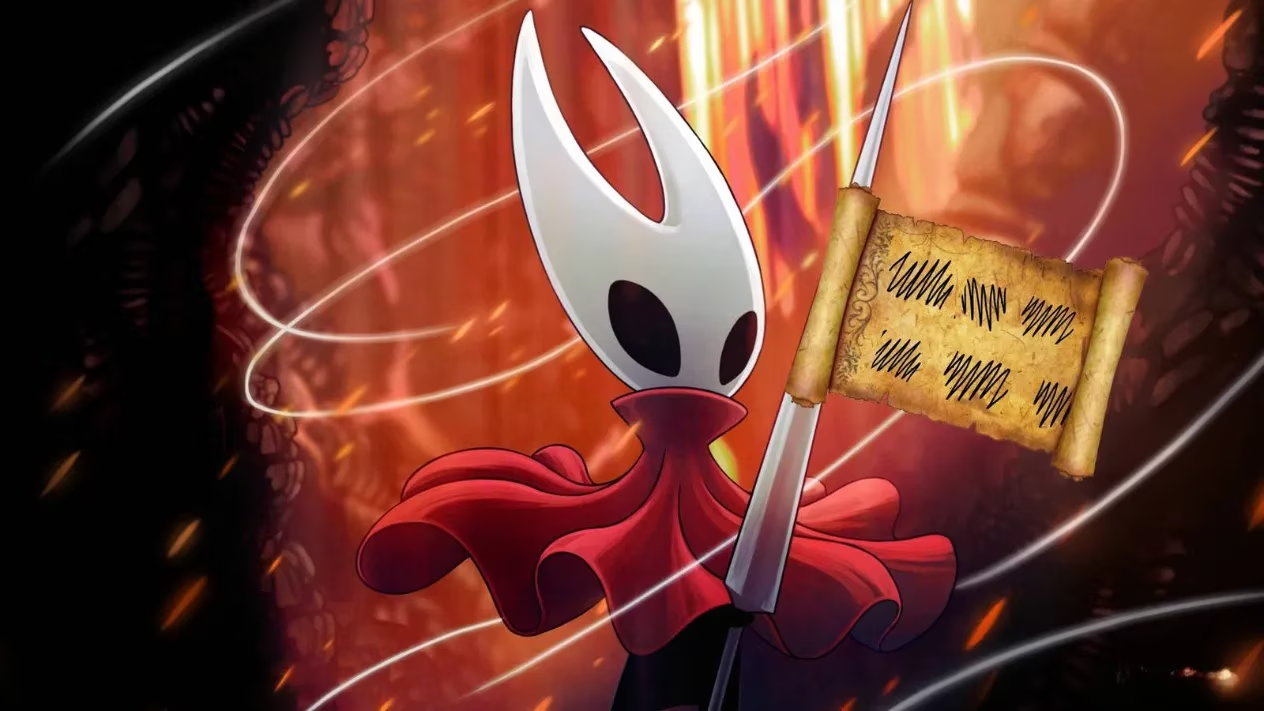
In 2026, Hollow Knight: Silksong is no longer an upcoming sequel or a launch-week phenomenon. It is a fully established Metroidvania that continues to draw new players into the Kingdom of Pharloom. For those arriving late, the game can feel overwhelming: branching routes, punishing combat, hidden chambers, and a currency system that punishes careless deaths. The following unwritten rules, gathered from the early experiences of many players, can make the first hours far smoother.
🪑 Find a Bench Before Anything Else
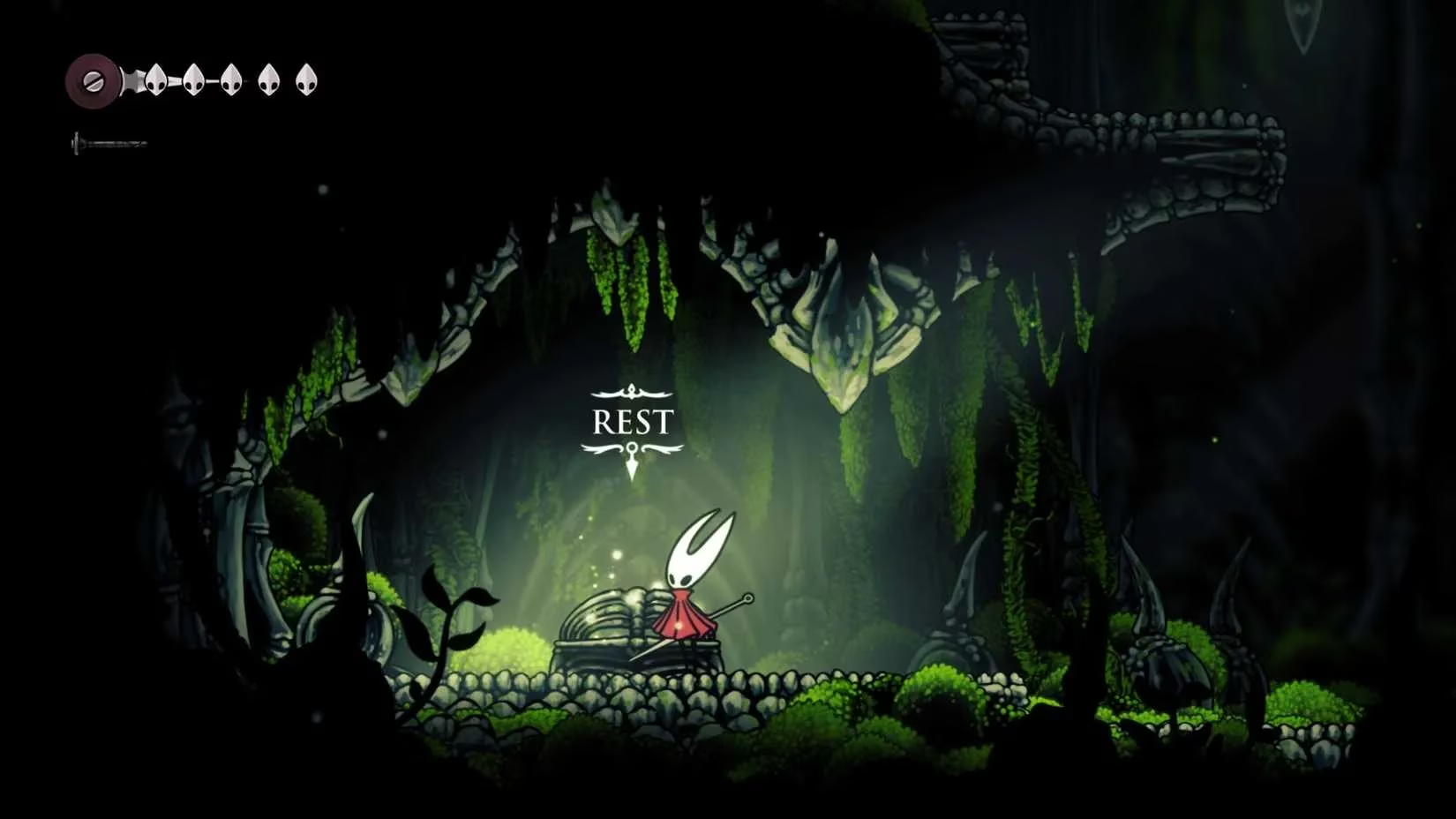
Hollow Knight: Silksong is a Metroidvania first and foremost. Its world is filled with branching paths, optional areas, and critical routes. Benches are the game's checkpoints, similar to bonfires in Dark Souls. When players enter a new region, their first goal should be locating a Bench. The game's difficulty has been a major talking point since launch. If players die far from a Bench, they may need to run all the way back from the previous region to regain lost Rosary Beads. A Bench is not just a rest stop; it is a safety net, a fast-travel anchor, and a place to reassess. Newcomers should treat every new area as a puzzle whose first piece is always the nearest Bench.
🧱 Slash Every Suspicious Wall
Veterans of Hollow Knight know that secrets can hide behind practically any wall, and the same is true in Hollow Knight: Silksong. Players should build a habit of slashing at every wall they bump into. A surprising number of walls conceal hidden goodies, alternate routes, or entire secret areas. This curiosity-driven approach is part of the genre's charm. A single strike can reveal a new path to another region, a cache of Rosary Beads, or a shortcut that makes a difficult journey much shorter. In Pharloom, paranoia pays off.
💰 Spend Rosary Beads, Do Not Hoard Them
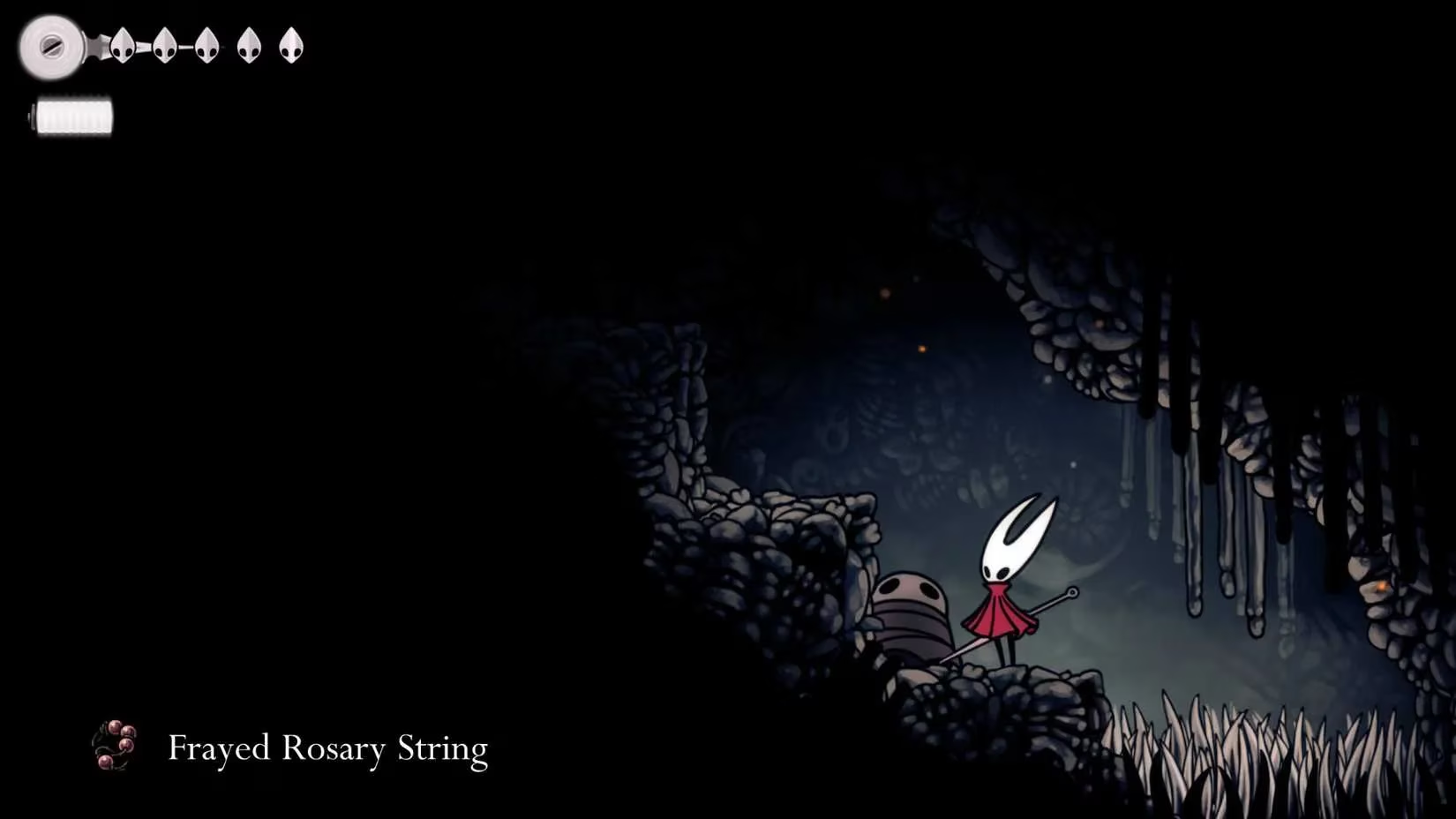
Most video games gently encourage players to hoard currency for a big purchase later. Hollow Knight: Silksong is not one of those games. Rosary Beads are a finite resource in Silksong's currently controversial economy. Saving a large pile can feel satisfying, but those Beads can vanish in an instant if players fail to make it back to their fallen body. The smarter approach is to spend Beads on useful items as often as possible. Alternatively, players can trade loose Beads for Rosary Strings and Necklaces. These items cost a bit more than they are technically worth, but they prevent the loss of Rosary Beads upon death. For newcomers, that protection is often worth the premium.
| Item | Purpose | Why it matters for newcomers |
|---|---|---|
| Rosary Beads | Basic currency | Lost on death if the body is not recovered |
| Rosary String | Currency bundle | Keeps a portion of wealth safe from death |
| Rosary Necklace | Larger currency bundle | A safer way to save for expensive purchases |

⚔️ Treat Hunter's March as a Lesson, Not a Wall
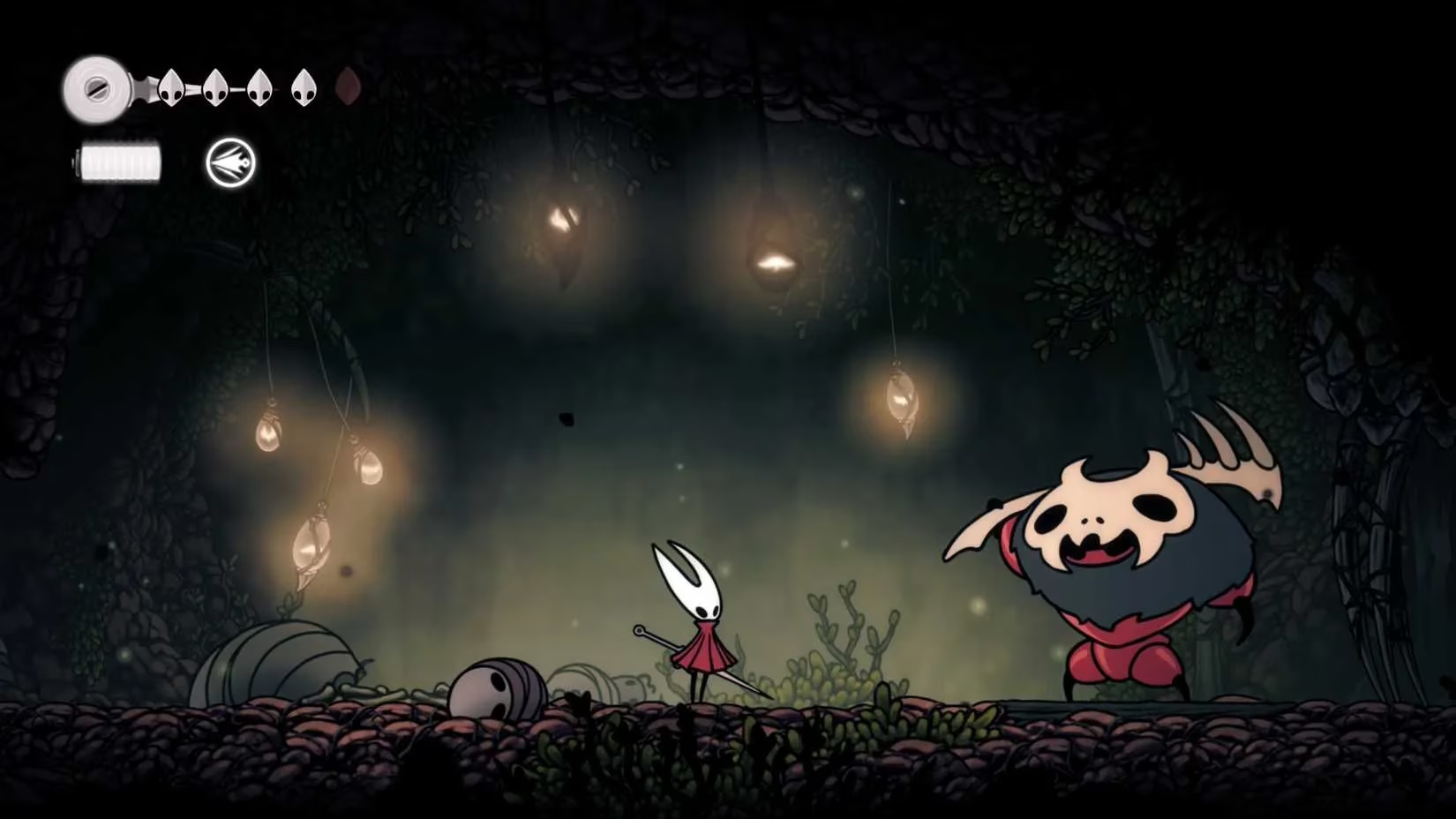
Hollow Knight: Silksong teaches a classic Metroidvania lesson very early. After an hour or so, players will likely be able to access Hunter's March, an area located above Deep Docks. This optional region feels like a major step up in both platforming and combat difficulty, to the point where some players may feel discouraged. Hunter's March is not a test of worth; it is a lesson in pacing. If players feel too weak for the area they are in, it is perfectly acceptable to leave and return a few hours later when they have grown stronger. The same logic applies to any boss fight that feels impossible. Retreat, explore, upgrade, and return with better tools and more confidence.
🧘 Play at Your Own Pace
One of the most important unwritten rules is that Hollow Knight: Silksong is designed to be taken at the player's own pace. When the entire internet seems a whole act ahead, it can feel like being left behind. The key to enjoying Silksong is to ignore everyone else and focus solely on one's own playthrough. The sprawling Kingdom of Pharloom is meant to be taken one step at a time. Players can technically finish the main story in under 20 hours, but they will likely have much more fun if they take their time and experience everything the game offers. Comparison is the fastest way to ruin a Metroidvania journey.
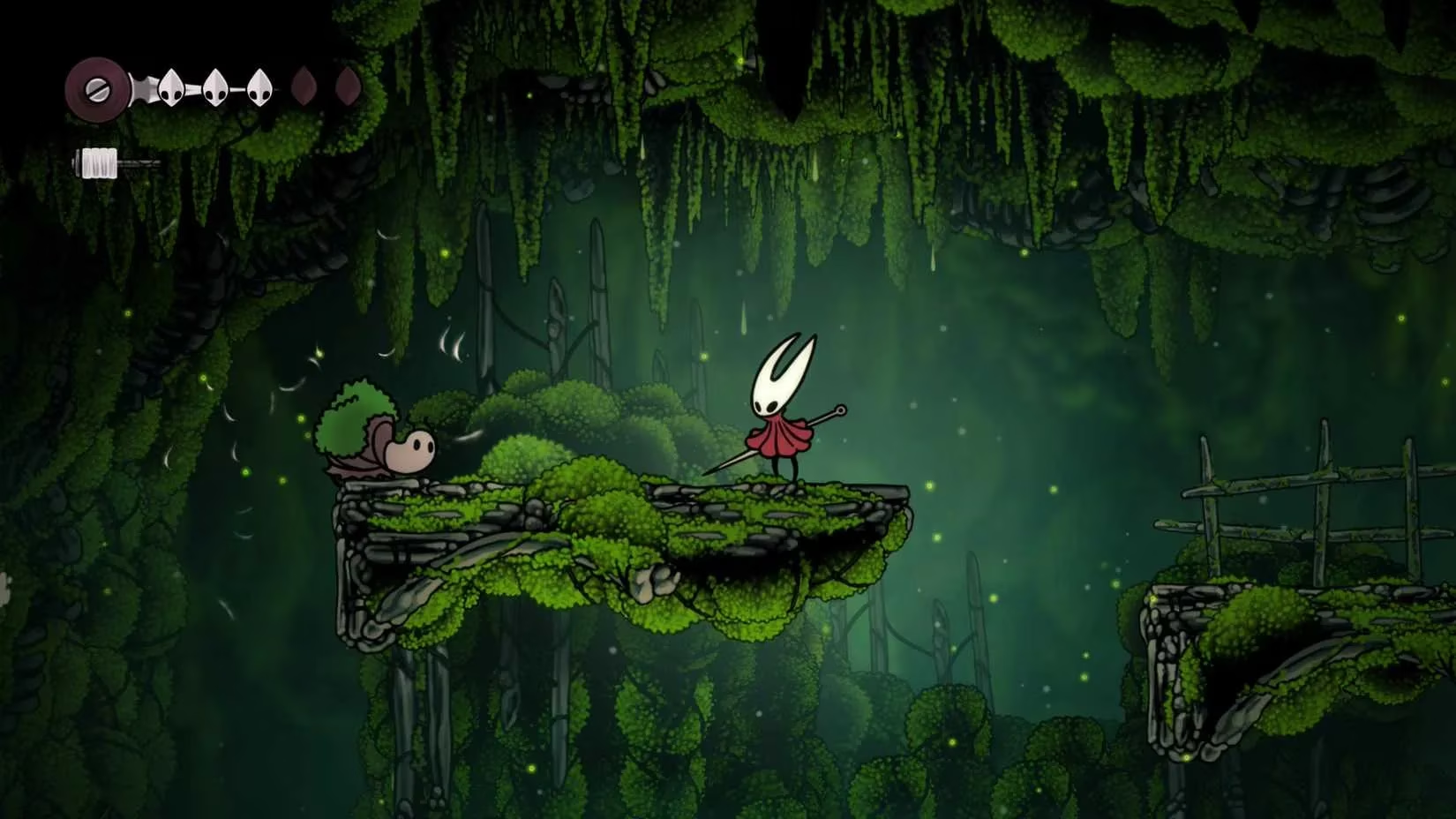
🗺️ Additional Habits That Help
Beyond the core rules, a few extra habits can make the early hours smoother:
-
🔍 Mark unexplored routes mentally or on a map. Pharloom rewards memory and observation.
-
🎧 Listen to audio cues. Hidden passages and dangerous enemies often announce themselves before they are seen.
-
🛠️ Upgrade tools and abilities whenever possible. Small improvements can turn a brutal fight into a fair one.
-
🚪 Do not force progress. If a path feels impossible, another route or upgrade may be the intended solution.
-
📵 Avoid comparing progress to social media. Another player's pace is not a benchmark.
These habits reinforce the central idea: Silksong is a game of patience, curiosity, and adaptation. It does not reward rushing. It rewards players who pay attention, experiment, and respect the world's rhythm.
🌟 Final Thoughts
By 2026, Hollow Knight: Silksong has proven itself as a demanding but rewarding Metroidvania. Newcomers do not need to master every system immediately. They only need to remember a handful of unwritten rules: find a Bench early, slash suspicious walls, spend Rosary Beads wisely, leave when underpowered, and play at their own pace. The Kingdom of Pharloom is vast and dangerous, but it is not a race. The journey becomes far more enjoyable when players let themselves get lost, learn from failure, and return stronger.

The following breakdown is based on guidance and reporting from PEGI, highlighting how Silksong newcomers can reduce early frustration by treating each new region like a risk-management loop: secure a Bench checkpoint first, then explore aggressively (including testing suspicious walls), and finally convert fragile currency into safer, progress-enabling purchases before attempting tougher routes like Hunter’s March.
Leave a Comment
Comments