The metroidvania genre thrives on exploration, intricate map design, and the sheer satisfaction of overcoming a world that seems determined to break you. Hollow Knight: Silksong, with its fluid movement, relentless enemies, and punishing platforming, has already earned a reputation for being a stern teacher. Hornet’s journey is no stroll through a garden, and even veterans of the original game will find themselves biting their controllers in frustration. Yet, for all its sharp spikes and rapid combat sequences, Silksong almost feels like a gentle slope when placed next to certain other denizens of the genre. These are the games that don’t just push back—they actively invite you to fail, over and over, with a knowing smirk.
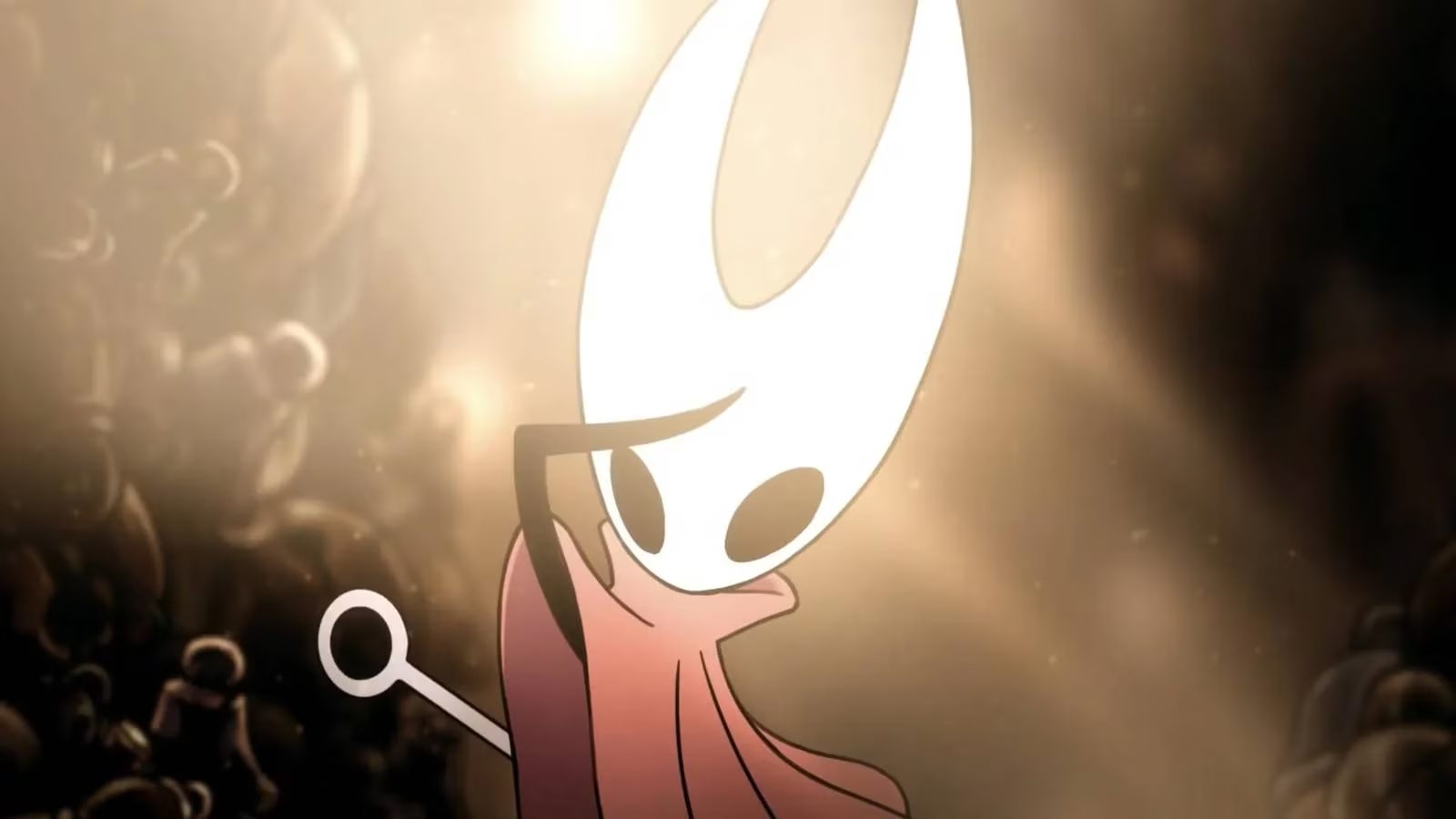
The list below presents five metroidvanias that, according to PC difficulty ratings on GameFAQs, make Silksong look like a generous cousin. These titles combine cryptic puzzles, ruthlessly sparse save points, and platforming that demands pixel-perfect execution. If you’ve already danced through the challenges of Hornet’s latest adventure and still crave that sweet sting of defeat, here’s where you’ll find your next obsession.
La-Mulana 2: The Archaeologist’s Nightmare
Imagine an ancient temple that doesn’t just want to kill you—it actively mocks your intelligence. La-Mulana 2 is a labyrinth of cryptic puzzles that refuse to hold your hand, brutal platforming that punishes the slightest mistimed jump, and enemies that feel less like obstacles and more like guardians of the game’s deepest secrets. Playing this game is like trying to solve a Rubik’s Cube while a swarm of hornets chases you.
This modern pixel-art sequel builds on the original’s design philosophy, which can only be described as “so merciless it’s almost personal.” Note-taking isn’t optional; it’s survival. The dungeons have expanded to an overwhelming scale, and bosses hit with the force of a freight train. Progress is often hidden behind puzzles that demand both exhaustive exploration and lateral thinking—the kind that makes you scribble connections in a notebook like a conspiracy theorist. One wrong step triggers a hidden trap, and sudden death is a constant companion. La-Mulana 2 doesn’t care if you’re having a bad day; it only cares whether you can keep up.
Aeterna Noctis: When Platforming Becomes a Ballet of Pain
If Silksong is a demanding dance, Aeterna Noctis is a full-blown acrobatic performance over a pit of lava. This visually stunning metroidvania fuses sprawling world design with the precision of hardcore platformers, turning every screen into a gauntlet of spikes, bottomless gaps, and enemies placed exactly where you don’t want them. Traversal is just as deadly as combat, and the game’s checkpoint system is about as forgiving as a bear trap—meaning a tiny slip can erase twenty minutes of flawless progress.
The difficulty curve here doesn’t soften as the hours tick by; it digs in its heels and demands even more. You’ll need to master movement abilities with the finesse of a pianist and react to high-speed encounter chains that leave no room to breathe. Aeterna Noctis thrives on trial-and-error gameplay, rewarding only the most stubborn players. For anyone who thought Hornet’s aerial maneuvers were tough, this game leans over and whispers, “Hold my healing flask.”
La-Mulana (The Original): The Temple of Mental Fortitude
Before La-Mulana 2 refined its cruelty, the 2005 original established a benchmark for “did that game just break my spirit?” This archeological adventure gives almost no guidance, dropping players into ancient ruins armed with a whip and a vague sense of impending doom.
La-Mulana’s puzzles are infamous for a reason—they require deciphering obscure hints scattered across stone tablets, interpreting riddles that might reference real-world mythologies, and doing it all while traps one-shot you for looking the wrong way. Simply figuring out where to go next can be a ten-hour ordeal, and that’s before the merciless bosses enter the equation. This game tests more than reflexes; it drills into your memory, your patience, and your problem-solving stamina. It’s the perfect challenge for those who think Silksong’s lore hunting was too easy, and it chuckles softly every time you hit a dead end.
Eternal Daughter: The Freeware Reaper
Not every metroidvania needs a big budget to crush a player’s confidence. Eternal Daughter, a lesser-known freeware gem from the early 2000s, predates many of the genre’s modern staples and shows its age in pixels and limited animation. But what it lacks in polish, it more than compensates with sheer, unrelenting difficulty. Enemies hit like trucks with no warning, checkpoints are rarer than a friendly NPC, and the platforming demands near-perfect execution from the very first screen.
Many who try this game never make it past the opening forest—not because they lack skill, but because the game simply doesn’t have time for mercy. Healing is scarce, resources are tighter than a miser’s wallet, and every encounter forces a cautious, methodical approach that feels almost survival-horror. Eternal Daughter is a fossil that still bites, a reminder that difficulty doesn’t need cinematic flair; it just needs to be relentless.
These five metroidvanias represent a spectrum of intentional cruelty, from intellectual brain-teasers to platforming marathons that demand perfection. Silksong tests your skills, your patience, and your ability to adapt, but it also knows when to back off. The games listed here? They rarely back off. They laugh, they snarl, and they hand you a shovel to dig your own grave. Yet, for those who’ve already conquered the kingdom of Pharloom and crave something even more punishing, they offer a rare reward: the satisfaction of surviving something truly unfair. Just remember to keep a stress ball nearby—you’re going to need it.
Leave a Comment
Comments