The year 2025, a quiet yet profound chapter in the digital tapestry of interactive art, unfolded not with the clamor of predictable blockbusters, but with the nuanced whispers of experiences that lingered long after the screens dimmed. It was a year where catharsis was found not in spectacle alone, but in the delicate interplay of mechanics, melancholy, and human connection, each title a distinct star in a constellation of unforgettable journeys.
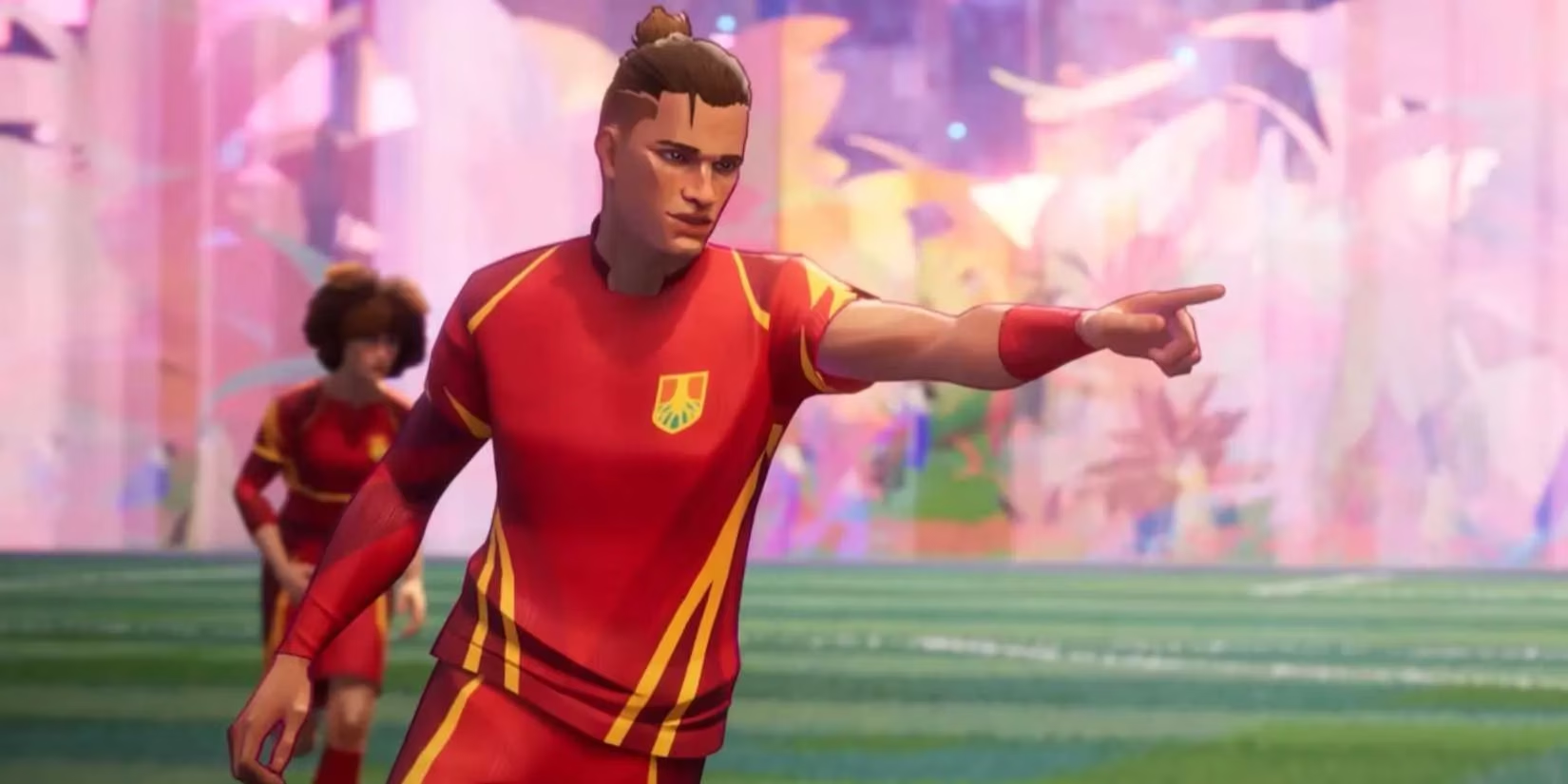
Rematch soared on the promise of revolutionary flight within the football genre, its mechanics so tight they whispered of defiance against established giants. For weeks, it held the crown, a testament to design where every pass and shot felt like a brushstroke of genius. Yet, its wings were occasionally clipped by the sporadic bugs and network tremors of a world still finding its feet. These were but surface scars, however, never touching the cathartic core—the sublime moment a goal unfolded, making one feel utterly weightless, dreaming of a virtual pitch adorned in the crimson of a cherished home kit. It was a game of beautiful, imperfect potential.
Then, there was the call of the manor. Blue Prince did not shout its mysteries; it murmured them from within walls steeped in a profound, enveloping melancholia. To enter was to submerge oneself in a gothic roguelite sea, where the objective—piecing together the secret of room 46—was an act of empathetic archaeology. The friction of RNG-driven room construction was not a flaw, but the very soil from which the compelling puzzle-solving grew. Each cycle through the ever-shifting halls felt less like repetition and more like a deepening communion with a haunted, empathetic soul.
-
🏔️ Peak offered a different communion: the shared, breathless laughter perched on a precipice. Its casual aesthetic belied a devilish mastery of friction, crafting multiplayer moments where friendship was measured in echoed screams fading against digital mountainsides. It was a pure, unadulterated reminder of joy found in collective, clumsy triumph.
-
🔮 The Seance of Blake Manor traded sunlight for sinister candlelight, its gothic grip instantaneous and unrelenting. Every action taken to solve Evelyn Dean's disappearance served not just to advance a plot, but to drown the player deeper in an occult atmosphere so thick it felt palpable. It was a paranoid macabre ballet, a step-by-step laying to rest of deductions in a world that refused to look away.
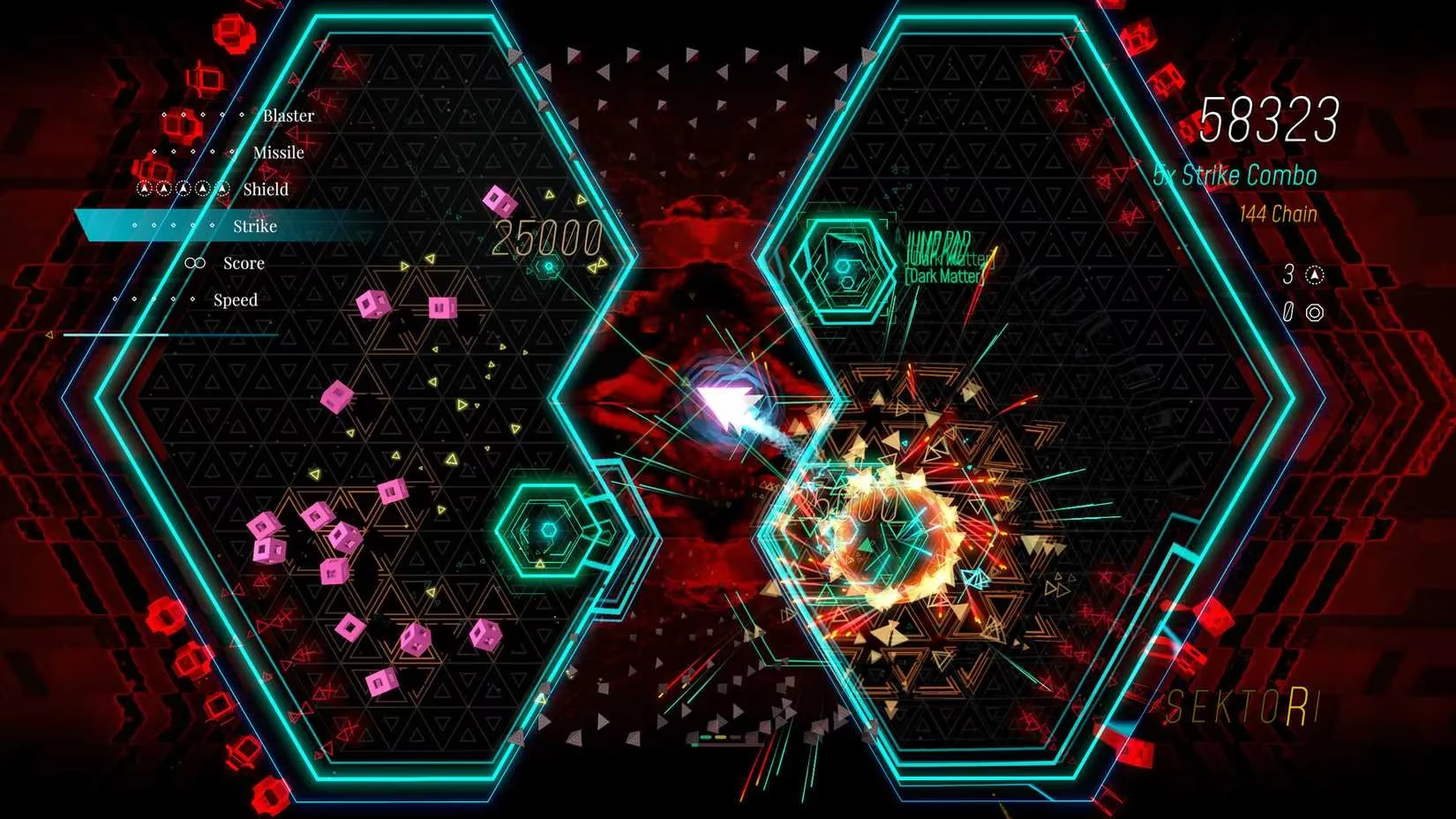
For those whose hearts beat in time with a thrashing synth, Sektori arrived as a kaleidoscopic sacrament. A twin-stick shooter that operated not on logic, but on the overstimulation of neurotransmissions—a digital trance of crunchy explosions and pulsating, electric scores. It was an arcade quintessence, a challenge so addictive it spawned fantasies of spectral rebirth within its zero state, all for just one more run. A warning stood: this was not for the faint of heart, only for those craving the pure, cathartic overload.
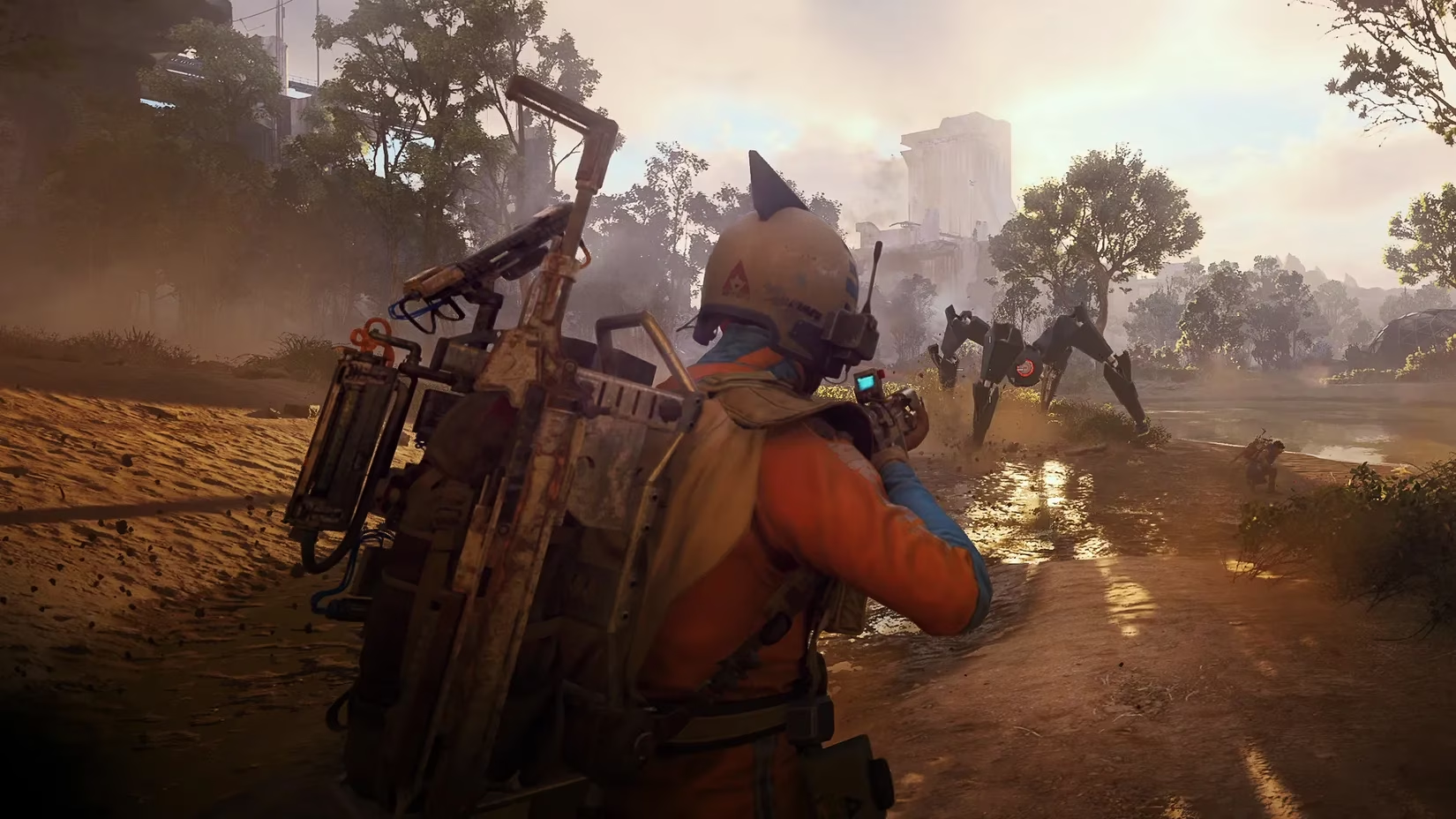
Amidst the ruins, Arc Raiders found a strange and beautiful romance. Its apocalypse was scored by minor-key arpeggios hinting at hope, a backdrop for the very human drama of each raid. Here, the core experience was defined not by generative narration, but by emergent, earnest interaction—proximity chat filled with strategy, panic, and camaraderie. When the player base bought in, the narrative possibilities felt truly, unforgettably limitless, a testament to connection forged in shared survival.
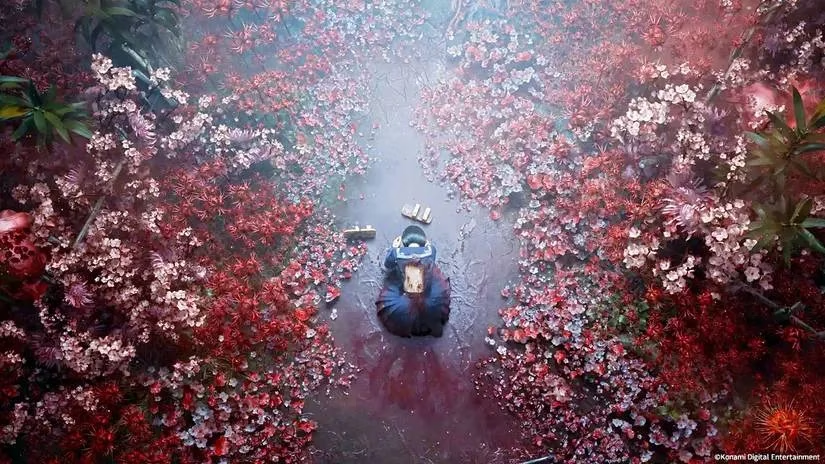
The year's shadows grew deepest within Silent Hill f. It was a masterclass in psychological horror, exceeding simple scares to weaponize the inescapable trauma and justifiable rage of adolescence. It was a scream into an inferno, met by an unrecognizable echo. The complexity of its narrative lay not in jump scares, but in the profound sorrow that always accompanies violence, leaving players shaken by contemplations of inherent human cruelty.
| Game | Core Experience | Emotional Resonance |
|---|---|---|
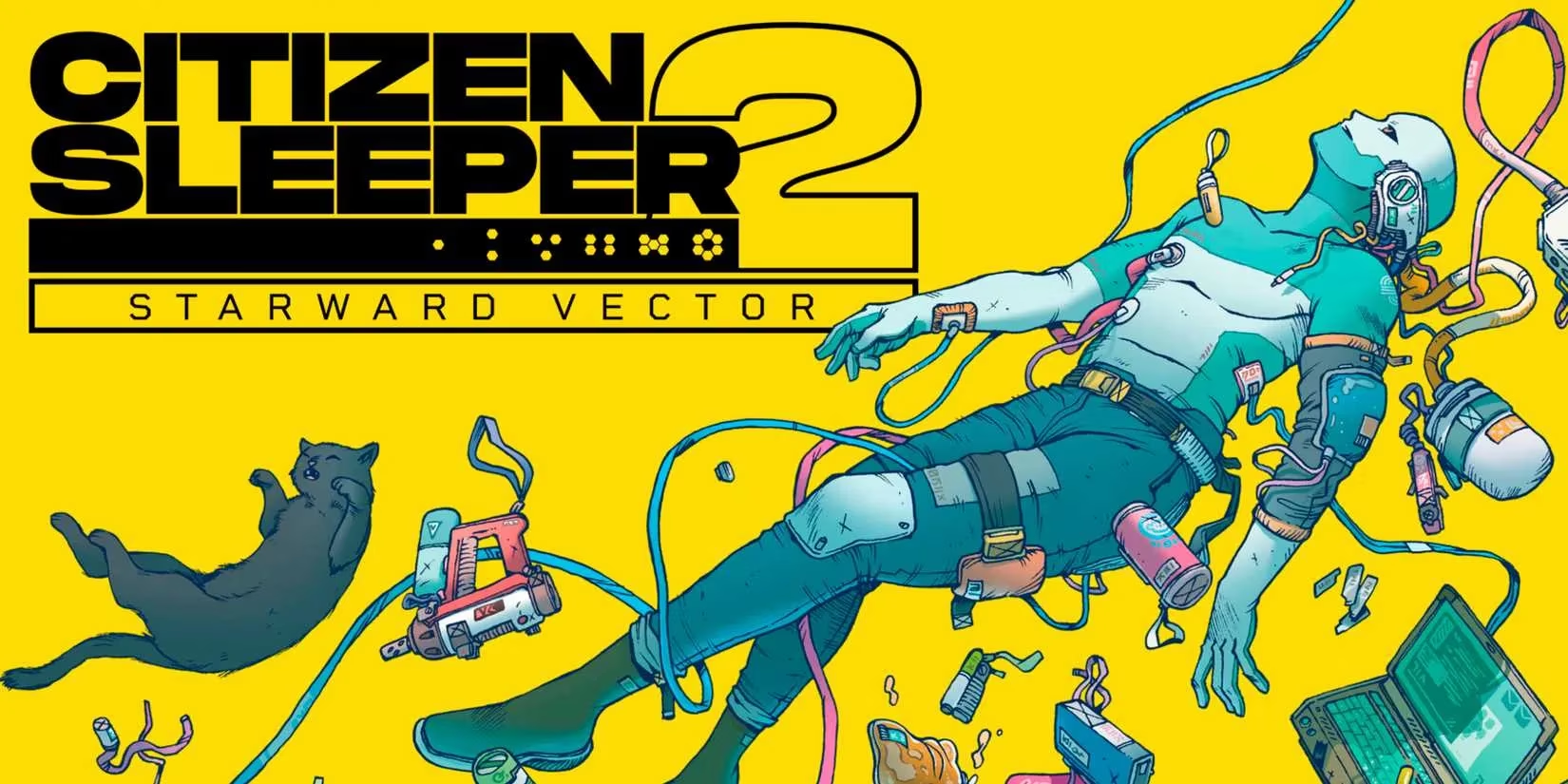
| Citizen Sleeper 2 | Dice-roll narratives in space | Meditative sorrow & relational hope |
| Death Stranding 2 | Connective traversal | Aesthetic grief & intrinsic care |
| Silksong | Challenging metroidvania exploration | Radical individuality & emotional restoration |
In the quiet of the starward belt, Citizen Sleeper 2 offered a window. A gaze into fragile lives entangled in economic desperation, its story told through tender conversations and the soft clatter of dice. It was a meditative journey of gentle prose, a piercing reminder that we exist, and rage, against the crushing malaise of corporatocracy, finding meaning in the rhizomatic strands of connection we forge.
And then, a feeling more than a game: Death Stranding 2. Hideo Kojima's interactive folk album centered on grief and our propensity for care. Even in its most reductive form—the simple, profound act of walking—it served as a necessary reminder of life's inherent beauty. It was an experience that could, with an eleven-minute cutscene, gut a player into near disrepair, so powerful was its emotional calculus.
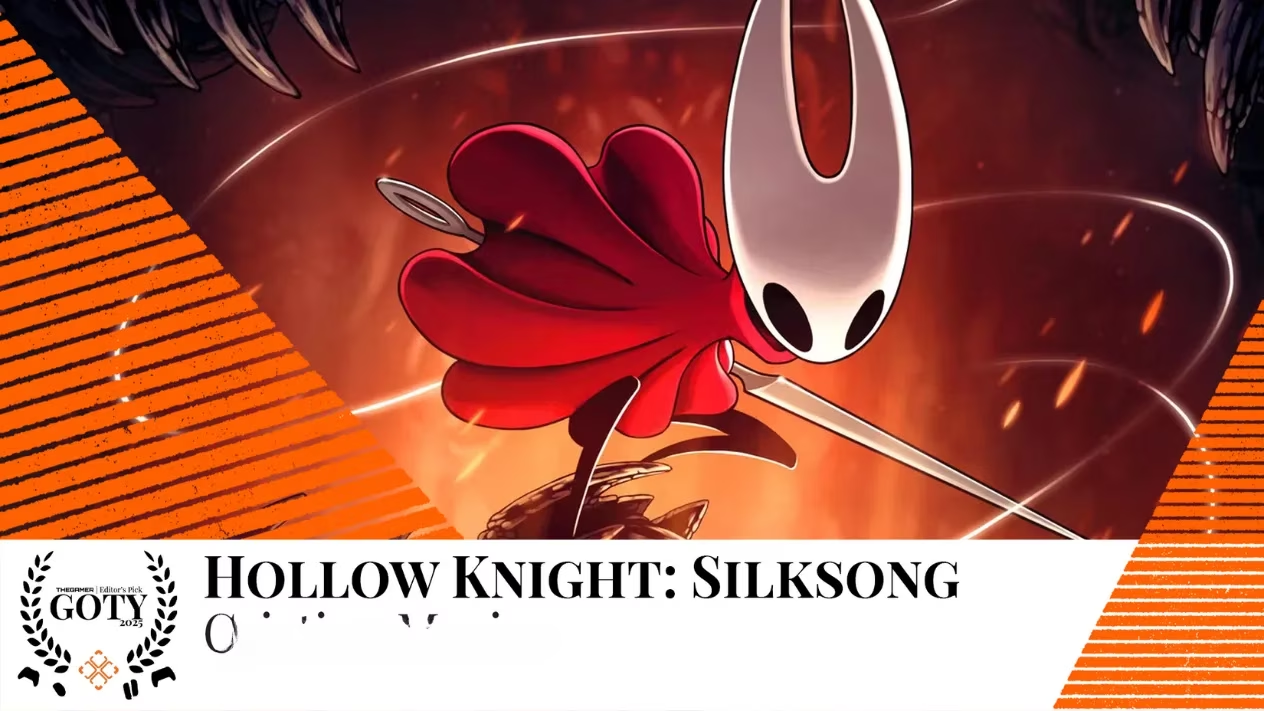
Yet, above the melancholia, the tension, and the cosmic loneliness, one journey sang the loudest. Silksong wore its difficulty not as a badge, but as a rigorous path toward a stunning narrative of radical individuality and emotional restoration. To focus solely on its challenge would be a disservice to the beautiful, feminist narrative that shook out from its intricate, masterful design. In the end, Team Cherry crafted more than a sequel; they forged a message that resonated above all else in 2025—a testament to the enduring power of stories that, in guiding us through beautiful, treacherous lands, ultimately guide us back to ourselves.
Leave a Comment
Comments